Noemie Etienne – författare
Visar alla böcker från författaren Noemie Etienne. Handla med fri frakt och snabb leverans.
6 produkter
6 produkter
Häftad, Engelska, 2017
637 kr
Skickas inom 5-8 vardagar
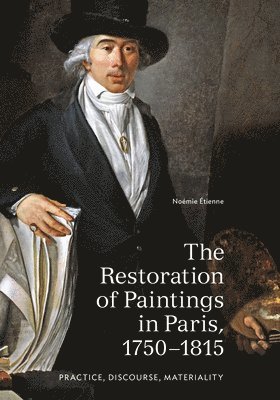
The decades following the 1973 publication of Alessandro Conti's Storia del Restauro have seen considerable scholarly interest in the development of restoration in France in the second half of the eighteenth century. A number of technical treatises and biographies of restorers have offered insight into restoration practice. The Restoration of Paintings in Paris, 1750-1815, however, is the first book to situate this work within the broader historical and philosophical contexts of the time.Initial chapters present the diversity of restoration practice, encompassing not only royal institutions and the Louvre museum but also private art dealers, artists, and craftsmen, and examine questions of trade secrecy and the changing role of the restorer. Following chapters address the influence of restoration and exhibition on the aesthetic understanding of paintings as material objects. The book closes with a discussion of the institutional and political uses of restoration, along with an art historical consideration of such key concepts as authenticity, originality, and stability of artworks, emphasising the multi-layered dimension of paintings by such important artists as Titian and Raphael. There is also a useful dictionary of the main restorers active in France between 1750 and 1815.
Häftad, Engelska, 2020
460 kr
Skickas inom 5-8 vardagar
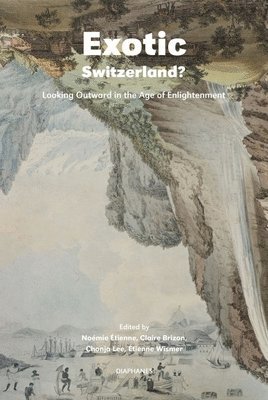
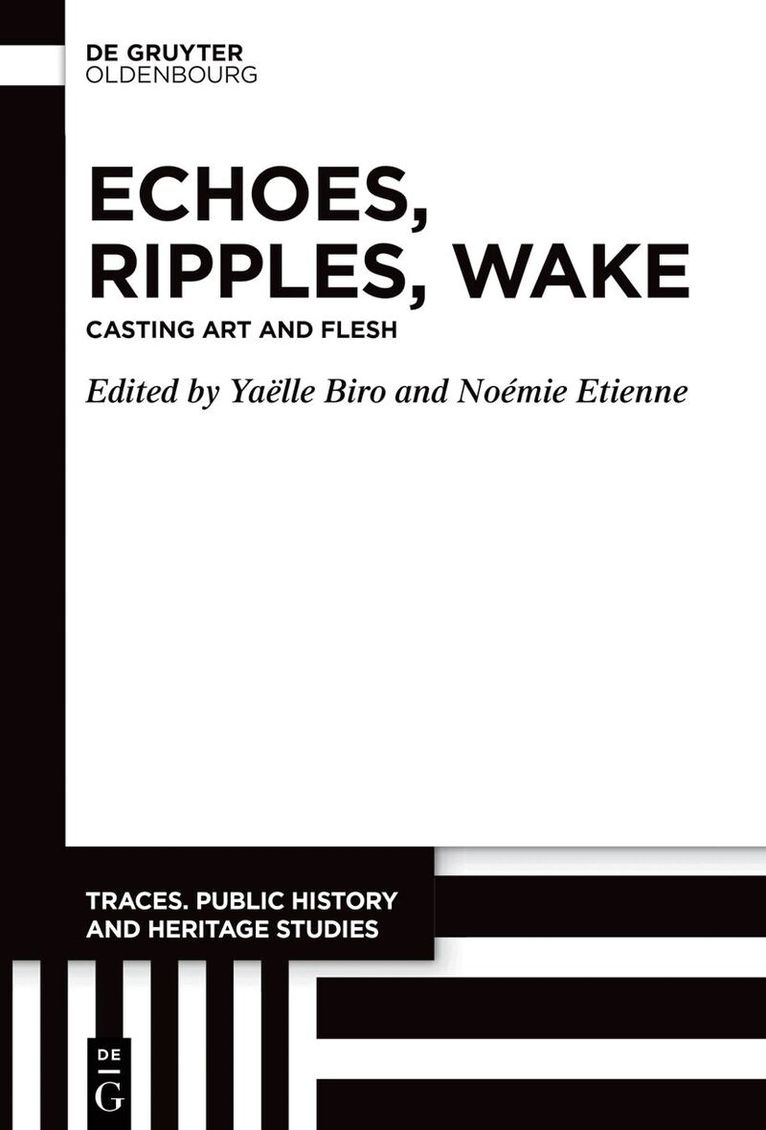
During the 17th and 18th centuries, foreign material culture was introduced into France and Switzerland and integrated into European interiors and decorative arts. Scholars have emphasized this era’s emerging taste for the exotic in order to explain the unprecedented craze for lacquer, porcelain, and textiles that imitated non-Western techniques and iconography. Yet what constituted the exotic during the age of Enlightenment? How was the place of foreign material culture negotiated? And how did it impact European identities? Exotic Switzerland? moves from questions about the nature of exoticism to explore exoticism in practice. The physical relocation of material fragments in European interiors is the core of this volume. Finally, the contributors also explore the rise of disciplines such as anthropology and ethnology through collection, publication, and print culture.
Inbunden, Engelska, 2022
918 kr
Skickas inom 5-8 vardagar
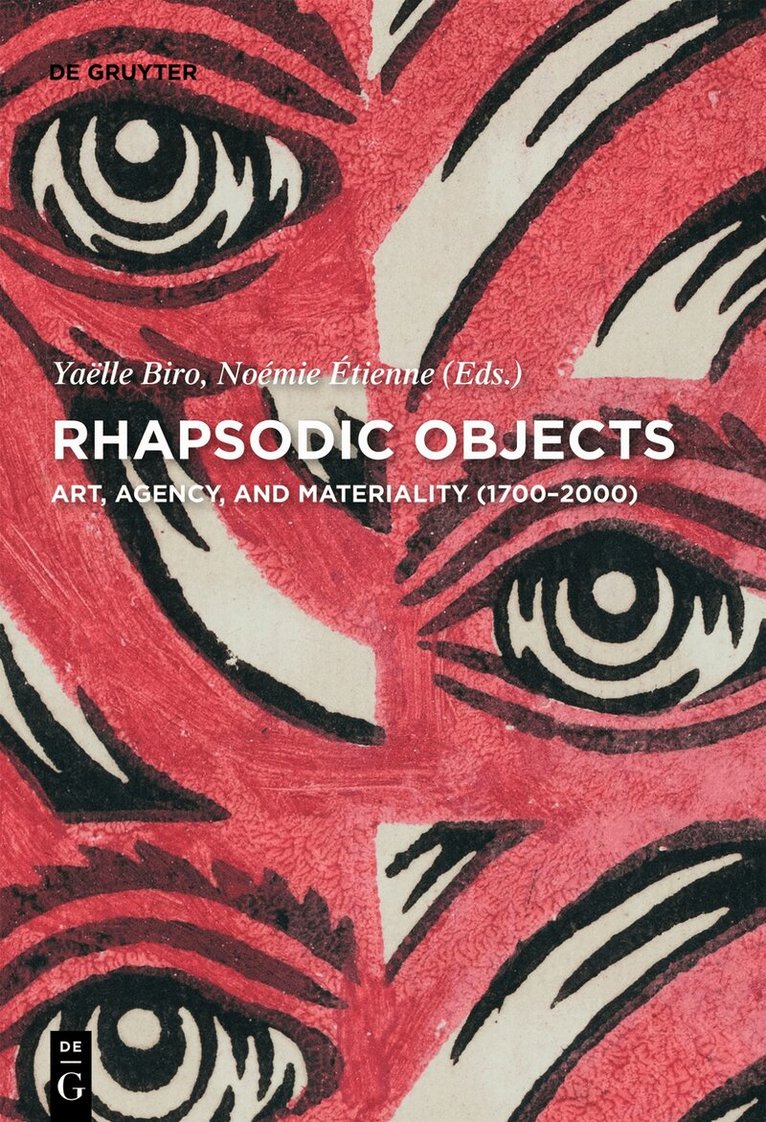
Zirkulation und Nachahmung haben einen wesentlichen Einfluss auf die Gestaltung der materiellen Welt. Die Beiträge des Bandes untersuchen, wie technisches Wissen, immaterielle Wünsche und politische Agenden die Produktion und Rezeption der visuellen und materiellen Kultur im Wandel der Zeit und Orte prägten. Sie gehen den Wanderungen von Kulturgütern unter besonderer Berücksichtigung ihrer Entstehungskontexte nach. Mit dem Begriff des „rhapsodischen Objektes" werden dabei die vielschichtigen, nicht immer in einem Zusammenhang stehenden Erzählungen der Objekte angesprochen.
Häftad, Engelska, 2021
754 kr
Skickas inom 5-8 vardagar
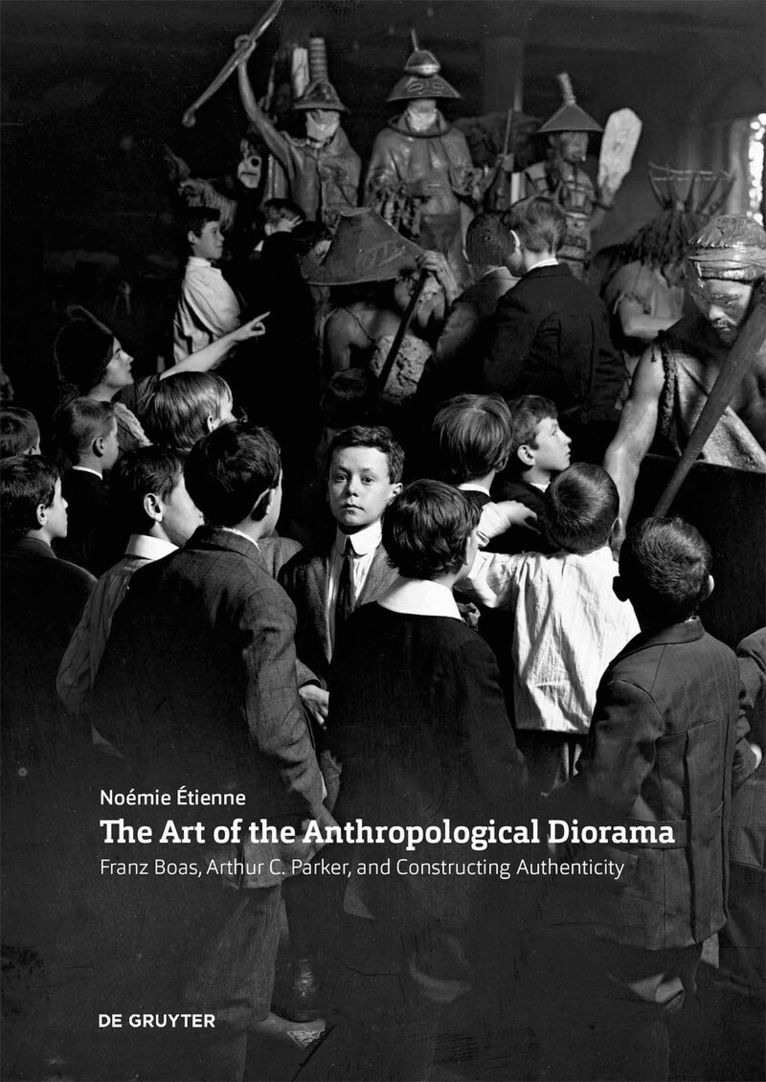
Dioramas are devices on the frontier of different disciplines: art, anthropology, and the natural sciences, to name a few. Their use developed during the nineteenth century, following reforms aimed at reinforcing the educational dimension of museums. While dioramas with human figures are now the subject of healthy criticism and are gradually being dismantled, a thorough study of the work of artists and scientists who made them helps shed light on their genesis. Among other displays, this book examines anthropological dioramas of two North American museums in the early twentieth century: the American Museum of Natural History in New York, and the New York State Museum. Sites of creation and mediation of knowledge, combining painting, sculpture, photography, and material culture, dioramas tell a story that is always political.
Häftad, Tyska, 2024
337 kr
Skickas inom 3-6 vardagar
E-bok
PDF, Tyska, 2024310 kr
Läs direkt efter köp
Löwen, Elefanten, Okapis, Giraffen und Strauße – Tiere aus Kolonialgebieten bevölkerten die Bildwelten der europäischen Moderne um 1900. Sie waren Ausdruck eines sich im Zuge der Industrialisierung, Nationalstaatenbildung und imperialen Expansion wandelnden Verhältnisses europäischer Gesellschaften zu menschlichen und nicht-menschlichen Lebewesen sowie zur Natur. Während einige Wissenschaftler*innen, Großwildjäger*innen und Künstler*innen in europäische Kolonien reisten, um Tiere zu studieren, zu malen und auf Film zu bannen, oder als Jagdtrophäen, Präparate und Exponate heimzuholen, bekam ein Großteil der Bevölkerung diese vor allem in Zoologischen Gärten, Zirkussen und Museen zu Gesicht, zunehmend aber auch in der visuellen Alltagskultur, etwa in Werbebildern, Filmen oder Comics.Diese Tierbilder vermittelten zentrale koloniale Botschaften und etablierten in ihren verschiedenen Inszenierungsweisen kategoriale Unterschiede zwischen ''Kultur'' und ''Natur'', ''Zivilisation'' und ''Wildnis'', ''Eigenem'' und ''Fremdem''. Indem Menschen aus Kolonialgebieten visuell in die Nähe von Tieren gerückt wurden, wurden sie exotisiert und dehumanisiert. Tierbildern kommt in diesem Zusammenhang bis heute eine wesentliche, bislang noch kaum erforschte Funktion in der Prägung westlich-hegemonialer Blickregimes und Denkbilder sowie der damit einhergehenden kolonial-rassistischen Gewaltausübung zu.Der vorliegende Band bringt eine Reihe interdisziplinärer Beiträge zusammen, die sich erstmals aus kunst-, kultur- und wissenschaftshistorischer Perspektive mit jenen Tierbildern beschäftigen, die im kolonialen Kontext der Moderne entstanden sind. Die Beiträge verhandeln die Frage, wie Bilder von ''exotischen'' Tieren in unterschiedlichsten Medien – von der bildenden Kunst über die Illustration, die Fotografie und den Film bis hin zur Inszenierung in Museum und Zoo – spezifische koloniale Narrative verbreiteten und damit zur Popularisierung rassistischer, orientalisierender wie auch patriarchaler Vorstellungen und Sichtweisen beitrugen.Mit Beiträgen von Chanelle Adams, Claire Brizon, K. Lee Chichester, Sarah Csernay, Ibou Coulibaly Diop, Frauke Dornberg, Chisom Duruaku, Noémie Étienne, Wolfgang Fuhrmann, Priska Gisler, Oliver Hochadel, Chonja Lee, Kristina Lowis, Christina Thomson, Étienne Wismer, Stephanie Zehnle und Joachim Zeller.