Norbert Hintersteiner - Böcker
Visar alla böcker från författaren Norbert Hintersteiner. Handla med fri frakt och snabb leverans.
2 produkter
2 produkter
Del 13 - Studies in Theology, Society and Culture
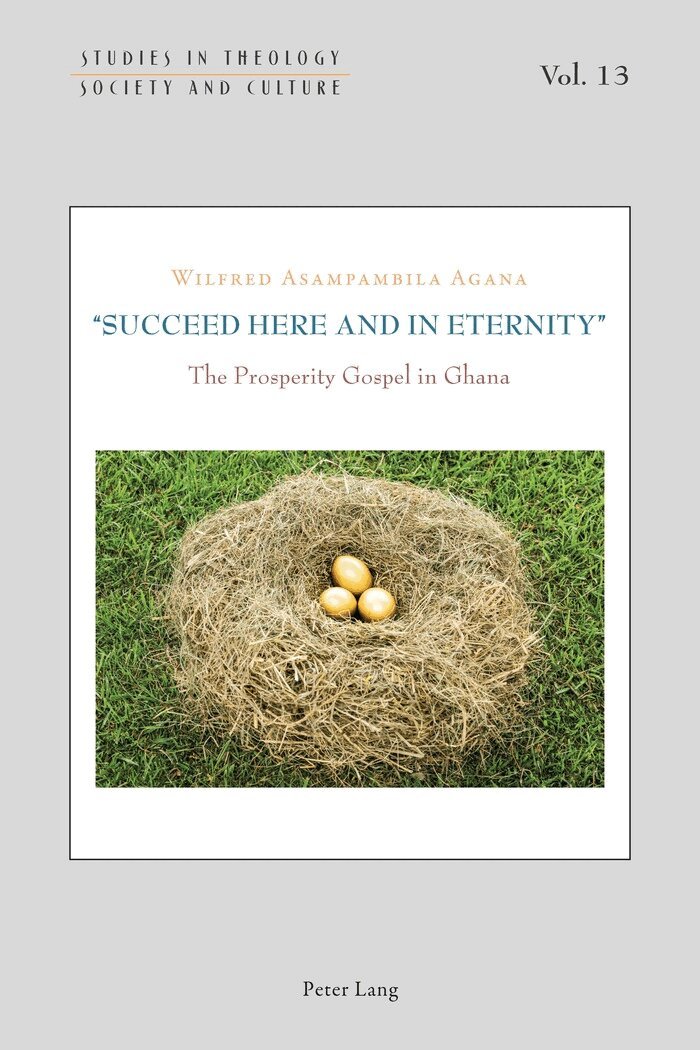
«Succeed Here and in Eternity»
The Prosperity Gospel in Ghana
Häftad, Engelska, 2015
678 kr
Tillfälligt slut
This book presents a qualitative study of the «Gospel of Prosperity» preached by the Charismatic and Neo-Pentecostal churches in Ghana, with a particular focus on its soteriological significance. The author explores the concept of the Gospel of Prosperity from a number of different angles, surveying its historical and ideological background, analysing its specific context in a Ghanaian environment and, finally, looking at its theological and soteriological relevance, compared with classical Christian teaching and especially Catholic systematic teaching. The theological investigation carried out here reveals both divergences and convergences, demonstrating areas where the Catholic tradition is challenged by the Gospel of Prosperity as well as vice versa. This analysis of the strengths and weaknesses within both traditions constitutes a springboard for a possible dialogue and access to common ground. Such a dialogue should be of great interest not only because of its significance for theological scholarship, but also because of the practical influence it could have on the lives of Christians, both in Ghana and elsewhere in the West African subregion.
1 130 kr
Skickas inom 5-8 vardagar
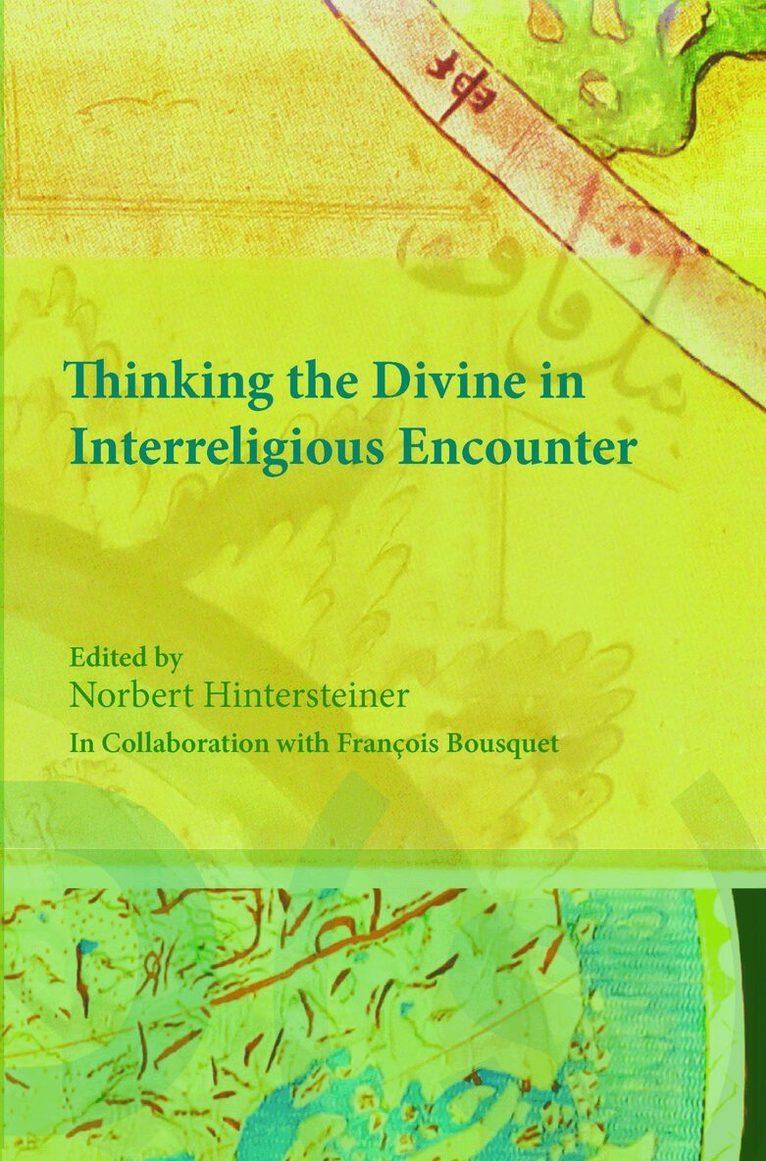
Thinking the Divine in Interreligious Encounter seeks to take seriously our questions of cross-cultural and inter-religious dialogue on God or the Divine: How can the Divine be named and thought as Europe finds itself in midst of cross-cultural processes of a global nature and as religions such as Islam, Hinduism, and Buddhism come into the foreground in the West? What are some of the major shifts in Christian theology, as it recognizes that peoples of non-Christian faith traditions name and think the Divine in ways that differ from and sometimes conflict with Europe’s dominant religion(s) and secular culture? Together with “Naming and Thinking God in Europe Today” and “Post-colonial Europe in the Crucible of Cultures” (Rodopi 2007), this volume allows us to discover opportunities for a multivalenced reflection on God or the Divine that achieves mutual intelligibility without surrendering to a dogmatic untranslatability or a crude relativism.