Norma Gonzalez - Böcker
Visar alla böcker från författaren Norma Gonzalez. Handla med fri frakt och snabb leverans.
3 produkter
3 produkter
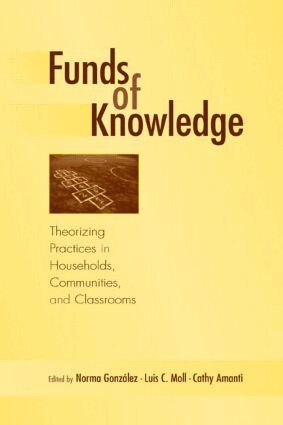
Funds of Knowledge
Theorizing Practices in Households, Communities, and Classrooms
Inbunden, Engelska, 2005
2 030 kr
Skickas inom 10-15 vardagar
The concept of "funds of knowledge" is based on a simple premise: people are competent and have knowledge, and their life experiences have given them that knowledge. The claim in this book is that first-hand research experiences with families allow one to document this competence and knowledge, and that such engagement provides many possibilities for positive pedagogical actions. Drawing from both Vygotskian and neo-sociocultural perspectives in designing a methodology that views the everyday practices of language and action as constructing knowledge, the funds of knowledge approach facilitates a systematic and powerful way to represent communities in terms of the resources they possess and how to harness them for classroom teaching. This book accomplishes three objectives: It gives readers the basic methodology and techniques followed in the contributors' funds of knowledge research; it extends the boundaries of what these researchers have done; and it explores the applications to classroom practice that can result from teachers knowing the communities in which they work. In a time when national educational discourses focus on system reform and wholesale replicability across school sites, this book offers a counter-perspective stating that instruction must be linked to students' lives, and that details of effective pedagogy should be linked to local histories and community contexts. This approach should not be confused with parent participation programs, although that is often a fortuitous consequence of the work described. It is also not an attempt to teach parents "how to do school" although that could certainly be an outcome if the parents so desired. Instead, the funds of knowledge approach attempts to accomplish something that may be even more challenging: to alter the perceptions of working-class or poor communities by viewing their households primarily in terms of their strengths and resources, their defining pedagogical characteristics. Funds of Knowledge: Theorizing Practices in Households, Communities, and Classrooms is a critically important volume for all teachers and teachers-to-be, and for researchers and graduate students of language, culture, and education.
Funds of Knowledge
Theorizing Practices in Households, Communities, and Classrooms
Häftad, Engelska, 2005
705 kr
Skickas inom 10-15 vardagar
The concept of "funds of knowledge" is based on a simple premise: people are competent and have knowledge, and their life experiences have given them that knowledge. The claim in this book is that first-hand research experiences with families allow one to document this competence and knowledge, and that such engagement provides many possibilities for positive pedagogical actions. Drawing from both Vygotskian and neo-sociocultural perspectives in designing a methodology that views the everyday practices of language and action as constructing knowledge, the funds of knowledge approach facilitates a systematic and powerful way to represent communities in terms of the resources they possess and how to harness them for classroom teaching. This book accomplishes three objectives: It gives readers the basic methodology and techniques followed in the contributors' funds of knowledge research; it extends the boundaries of what these researchers have done; and it explores the applications to classroom practice that can result from teachers knowing the communities in which they work. In a time when national educational discourses focus on system reform and wholesale replicability across school sites, this book offers a counter-perspective stating that instruction must be linked to students' lives, and that details of effective pedagogy should be linked to local histories and community contexts. This approach should not be confused with parent participation programs, although that is often a fortuitous consequence of the work described. It is also not an attempt to teach parents "how to do school" although that could certainly be an outcome if the parents so desired. Instead, the funds of knowledge approach attempts to accomplish something that may be even more challenging: to alter the perceptions of working-class or poor communities by viewing their households primarily in terms of their strengths and resources, their defining pedagogical characteristics. Funds of Knowledge: Theorizing Practices in Households, Communities, and Classrooms is a critically important volume for all teachers and teachers-to-be, and for researchers and graduate students of language, culture, and education.
232 kr
Skickas inom 7-10 vardagar
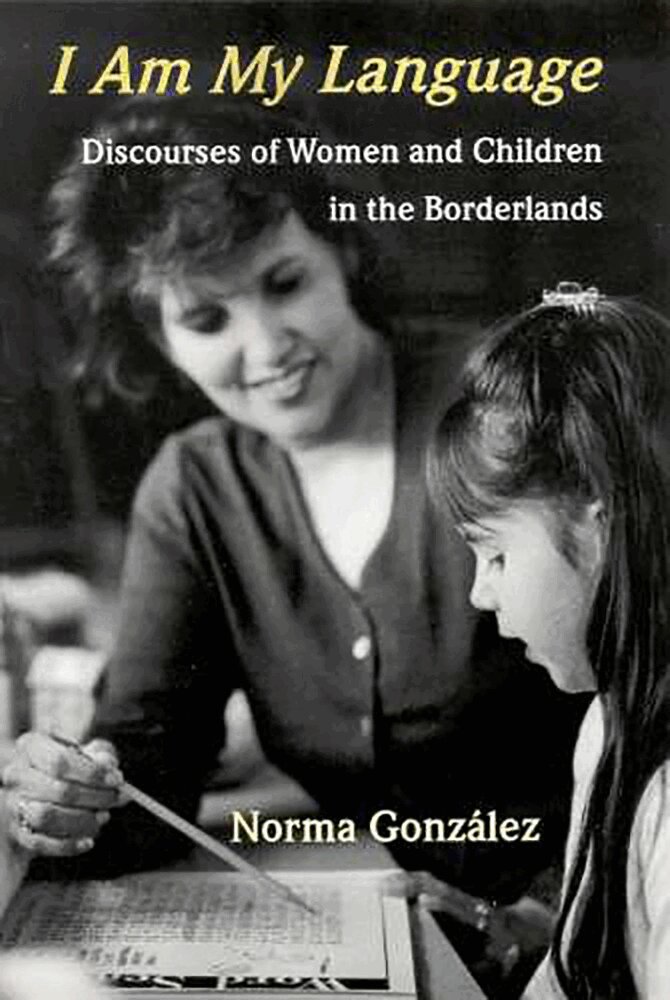
I am my language, says the poet Gloria Anzaldua, because language is at the heart of who we are. But what happens when a person has more than one language? Is there an overlay of language on identity, and do we shift identities as we shift languages? More important, what identities do children construct for themselves when they use different languages in particular ways? In this book, Norma Gonzalez uses language as a window on the multiple levels of identity construction in children as well as on the complexities of life in the borderlands to explore language practices and discourse patterns of Mexican-origin mothers and the language socialization of their children. She shows how the unique discourses that result from the interplay of two cultures shape perceptions of self and community, and how they influence the ways in which children learn and families engage with their children's schools. Gonzalez demonstrates that the physical presence of the border profoundly affects the practices and ideologies of Mexican-origin women and children.She then argues that language and cultural background should be used as a basis for building academic competencies, and she demonstrates why the evocative/emotive dimension of language should play a major part in studies of discourse, language socialization, and language ideology. Drawing on women's own narratives of their experiences as both mothers and borderland residents, I Am My Language is firmly rooted in the words of common people in their everyday lives. It combines personal odyssey with cutting-edge ethnographic research, allowing us to hear voices that have been muted in the academic and public policy discussions of what it means to be Latina/o and showing us new ways to connect language to complex issues of education, political economy, and social identity.