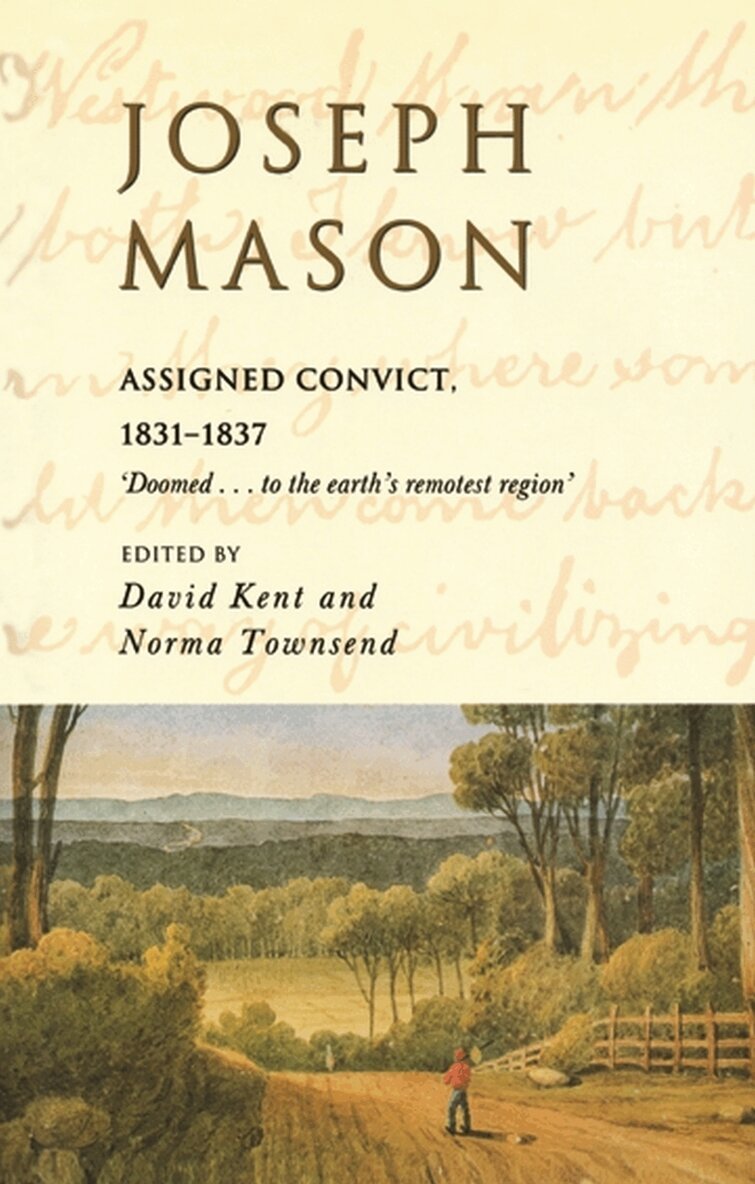
Joseph Mason, an English agricultural labourer, was convicted and transported for taking part in mass protests against the introduction of threshing machines, which were threatening to destroy the livelihood of English rural workers. Joseph was unusual among labourers in being a fluent writer and a voracious reader. His manuscript, only recently discovered, is published here for the first time. In it, he vividly describes life on the frontier, his encounters with Aboriginal people, and the flora and fauna of the bush. He tells of the living and working conditions of assigned convicts, and early horticultural and farming practices. The description of his explorations along the Nepean River captures the dramatic landscape of the gorge so accurately that it could serve as a guide for the modern bushwalker. This is a fresh and unique first-person account of the convict experience-a new and invaluable addition to the primary sources of Australian colonial history.
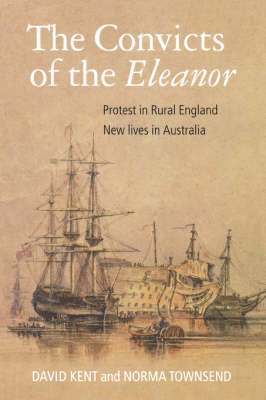
This book focuses on the men of the convict transport Eleanor who arrived in NSW in 1831. They were all from the counties of Berkshire, Dorset, Hampshire and Wiltshire and were transported for their part in the Swing riots - the great agricultural uprising of 1830-31. This episode which touched thirty counties and has been called 'the last peasants' revolt' led to more than 480 people being sent to Australia ('the largest single group in the history of transportation' (George Rude). The men on the Eleanor who made up 30% of the Swing transportees. Part I of the book deals with the men of the Eleanor in their English setting, Part II with their experiences as convicts and free men in New South Wales. The chapter headings below give a clear indication of the contents of each chapter and the focus of the book on ruined and then reconstructed lives Written with full academic apparatus but with that elusive being the general reader in mind, this theme will appeal to that large readership in England which is interested in rural social history and popular protest.In Australia there is a large and enthusiatic readership for books on colonial history, convictism and works which provide a context for family history. This book also has the advantage of being focussed on Hardy's Wessex and is thus, to some extent, a contribution to the regional history of southern England. The Swing Riots are a topic which features in the history syllabuses of most examination boards in southern England.
Joseph Mason, an English agricultural labourer, was convicted and transported for taking part in mass protests against the introduction of threshing machines, which were threatening to destroy the livelihood of English rural workers. Joseph was unusual among labourers in being a fluent writer and a voracious reader. His manuscript, only recently discovered, is published here for the first time. In it, he vividly describes life on the frontier, his encounters with Aboriginal people, and the flora and fauna of the bush. He tells of the living and working conditions of assigned convicts, and early horticultural and farming practices. The description of his explorations along the Nepean River captures the dramatic landscape of the gorge so accurately that it could serve as a guide for the modern bushwalker. This is a fresh and unique first-person account of the convict experience-a new and invaluable addition to the primary sources of Australian colonial history.
This book focuses on the men of the convict transport Eleanor who arrived in NSW in 1831. They were all from the counties of Berkshire, Dorset, Hampshire and Wiltshire and were transported for their part in the Swing riots - the great agricultural uprising of 1830-31. This episode which touched thirty counties and has been called 'the last peasants' revolt' led to more than 480 people being sent to Australia ('the largest single group in the history of transportation' (George Rude). The men on the Eleanor who made up 30% of the Swing transportees. Part I of the book deals with the men of the Eleanor in their English setting, Part II with their experiences as convicts and free men in New South Wales. The chapter headings below give a clear indication of the contents of each chapter and the focus of the book on ruined and then reconstructed lives Written with full academic apparatus but with that elusive being the general reader in mind, this theme will appeal to that large readership in England which is interested in rural social history and popular protest.In Australia there is a large and enthusiatic readership for books on colonial history, convictism and works which provide a context for family history. This book also has the advantage of being focussed on Hardy's Wessex and is thus, to some extent, a contribution to the regional history of southern England. The Swing Riots are a topic which features in the history syllabuses of most examination boards in southern England.