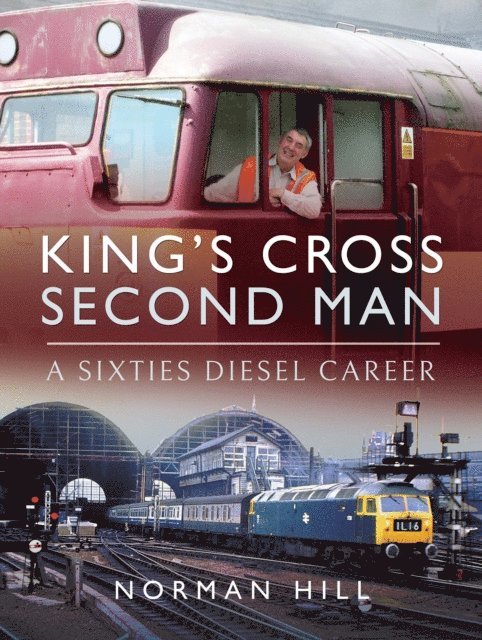
Late in 1964 the author made a career change from the Midland Region railway clerical grades, to the Eastern Region Motive Power Department at King''s Cross, initially as a locomotive cleaner. This was the realization of an ambition held for some ten years and by the end of December 1964, he became eligible for second man duties. On 28 December 1964, he was second man on a return trip to Peterborough, and determined to keep a record of the run; locomotive employed, the driver he accompanied, the rostered diagram and the actual circumstances of the diagram. Norman duly recorded this shift, along with all shifts worked during his employment as second man.Norman realized that such a record would be of great interest to both railway enthusiasts and employees, past and present. Especially those who worked on the southern section of the East Coast Main Line or those with a special interest in the railways of the 1960s a formative period of railway modernization when 150 years of steam-powered railway locomotion gave way to more modern means of motive power. This book will use Norman''s records of 1964-68 as a basis for an account in which he will show the slow and difficult transition of Britains railway from its traditional steam-powered world into the modern world of diesel and electric traction.Norman''s work as second man took him to places and railway installations in North London that no longer exist, and which have taken their place in railway history, and sometimes even within the broader fabric of the history of London, and of England itself. Through the medium of Norman''s records of 1960''s railway working, he looks back and rediscovers these forgotten places and so contrasts nineteenth-century railways and industrial history with operating practices on todays modern British railways.
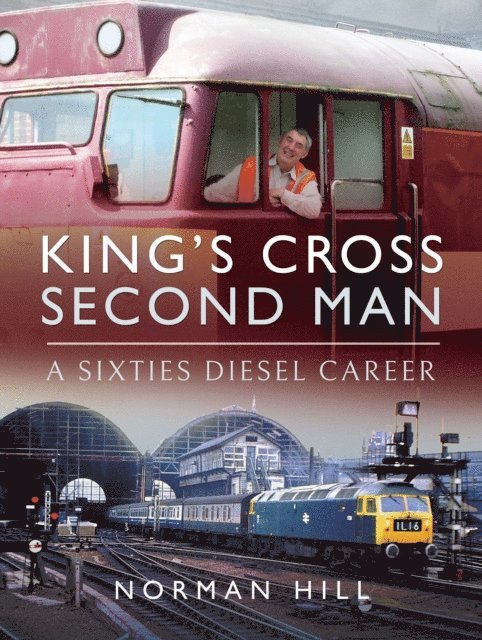
Late in 1964 the author made a career change from the Midland Region railway clerical grades, to the Eastern Region Motive Power Department at King's Cross, initially as a locomotive cleaner. This was the realization of an ambition held for some ten years and by the end of December 1964, he became eligible for second man duties. On 28 December 1964, he was second man on a return trip to Peterborough, and determined to keep a record of the run; locomotive employed, the driver he accompanied, the rostered diagram and the actual circumstances of the diagram. Norman duly recorded this shift, along with all shifts worked during his employment as second man.Norman realized that such a record would be of great interest to both railway enthusiasts and employees, past and present. Especially those who worked on the southern section of the East Coast Main Line or those with a special interest in the railways of the 1960s a formative period of railway modernization when 150 years of steam-powered railway locomotion gave way to more modern means of motive power. This book will use Norman's records of 1964-68 as a basis for an account in which he will show the slow and difficult transition of Britains railway from its traditional steam-powered world into the modern world of diesel and electric traction.Norman's work as second man took him to places and railway installations in North London that no longer exist, and which have taken their place in railway history, and sometimes even within the broader fabric of the history of London, and of England itself. Through the medium of Norman's records of 1960's railway working, he looks back and rediscovers these forgotten places and so contrasts nineteenth-century railways and industrial history with operating practices on todays modern British railways.
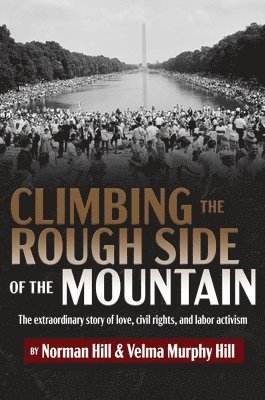
The remarkable story of a couple who came together during the civil rights movement and made fighting for equality and civil and workers’ rights their purpose for more than sixty years, overcoming adversity—with the strength of their love and commitment—to bring about meaningful change. “A chronicle of lives of unwavering dedication. Now in their 80s, labor and civil rights activists Norman and Velma Hill recount more than six decades of struggles, triumphs, and frustrations in their tireless work as ‘crusaders for democracy.’... An inspiring joint memoir.” —Kirkus ReviewsWhen Velma Murphy was knocked unconscious by a brick thrown by a man from an angry white mob and was carried away by Norman Hill, it was the beginning of a six-decade-long love story and the turmoil, excitement, and struggle for civil rights and labor movements. In Climbing the Rough Side of the Mountain, the Hills reflect upon their more than half a century of fighting to make America realize the best of itself.Through profound conversations between the two, Velma and Norman Hill share their earliest memories of facing racial segregation in the 1960s, working with Martin Luther King Jr., Bayard Rustin, and A. Philip Randolph, crossing paths with Malcolm X and Stokely Carmichael. They also reveal how they kept white supremacists like David Duke from taking office, organized workers into unions, met with Presidents Bill Clinton and Barack Obama, and continued to work tirelessly, fighting the good fight and successfully challenging power with truth.