Norman Macdougall – författare
Visar alla böcker från författaren Norman Macdougall. Handla med fri frakt och snabb leverans.
3 produkter
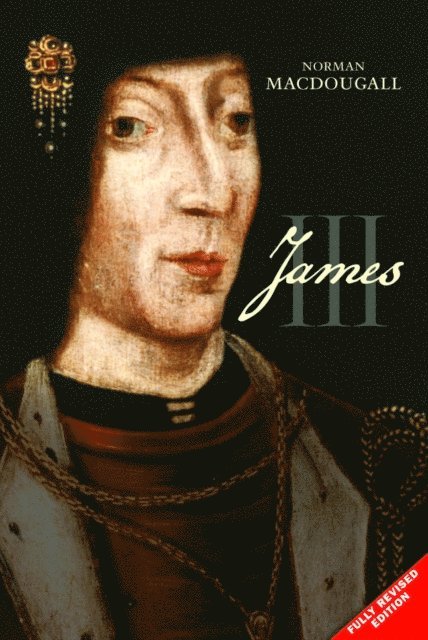
James III
E-bok, 2009
472 kr
Lägg i varukorg
James III is the most enigmatic of the Stewart kings of Scotland. Variously characterised as artistic, peace-loving, morbidly suspicious, treacherous, pious, lecherous and lazy, King James was much criticised by contemporaries and later chroniclers for his failure to do his job in the manner …
People and Power in Scotland
Essays in Honour of T.C.Smout
Av Norman Macdougall, Roger Mason
E-bok, 2001
308 kr
Lägg i varukorg
Few Scottish historians are better known than T. C. Smout and fewer still more deserving of the high esteem in which they are held. He has made an outstanding contribution to Scottish historical studies both as an academic discipline and as a subject of wide popular appeal. His retirement in 1991 …
James III
Häftad, 2009
469 kr
Tillfälligt slut
James III is the most enigmatic of the Stewart kings of Scotland. Variously characterised as artistic, peace-loving, morbidly suspicious, treacherous, pious, lecherous and lazy, King James was much criticised by contemporaries and later chroniclers for his failure to do his job in the manner …