Norman Matloff – författare
Visar alla böcker från författaren Norman Matloff. Handla med fri frakt och snabb leverans.
17 produkter
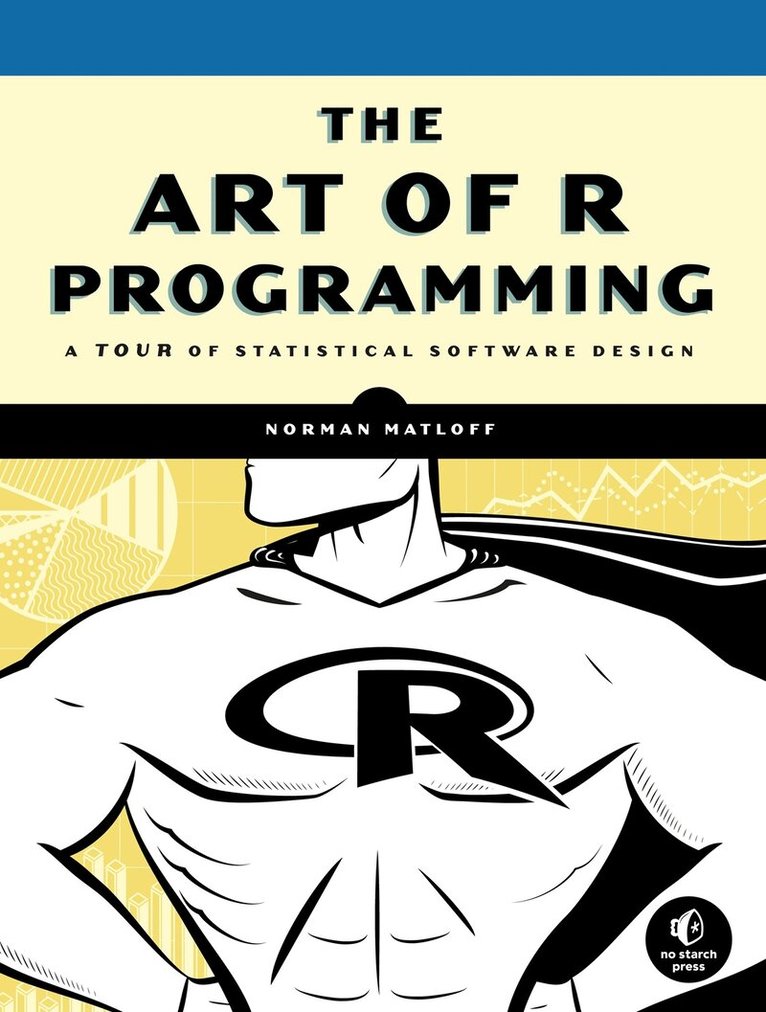
Art of R Programming
Häftad, 2011
494 kr
Lägg i varukorg
R is the world's most popular language for developing statistical software: Archaeologists use it to track the spread of ancient civilizations, drug companies use it to discover which medications are safe and effective, and actuaries use it to assess financial risks and keep economies running …
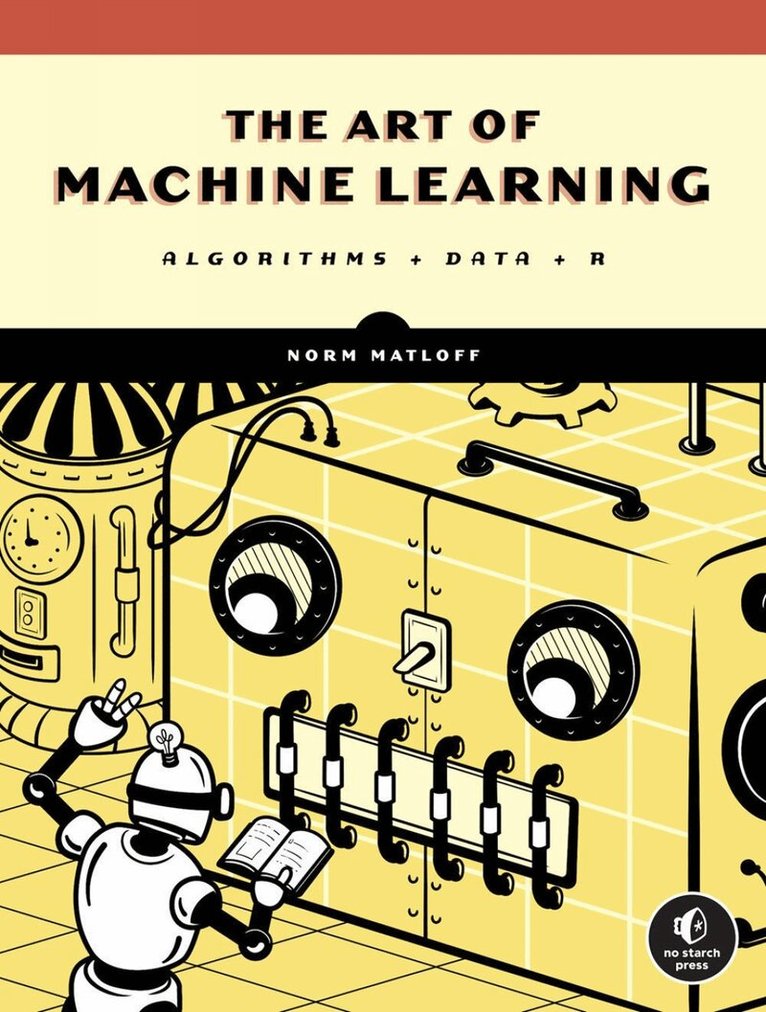
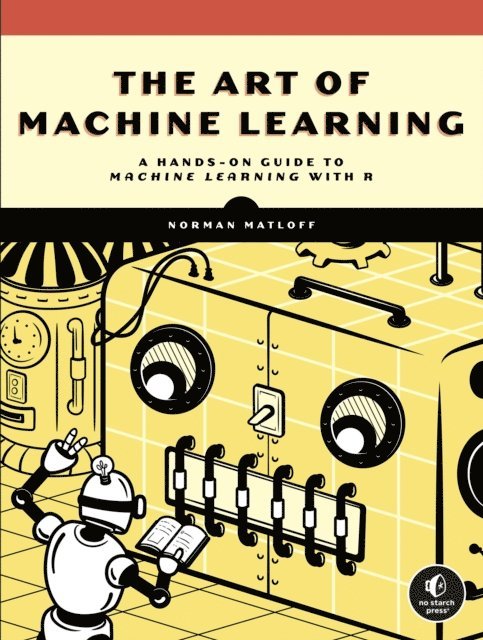
Art of Machine Learning
A Hands-On Guide to Machine Learning with R
Häftad, 2024
518 kr
Lägg i varukorg
Machine learning without advanced math! This book presents a serious, practical look at machine learning, preparing you for valuable insights on your own data. The Art of Machine Learning is packed with real dataset examples and sophisticated advice on how to make full use of powerful machine …
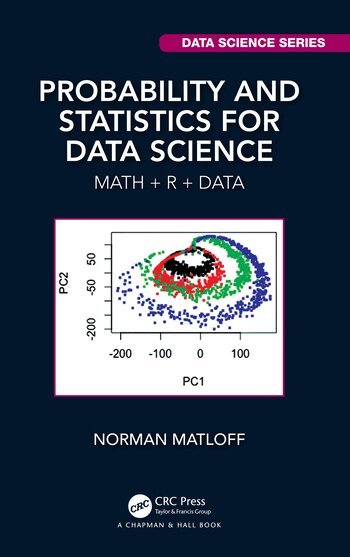
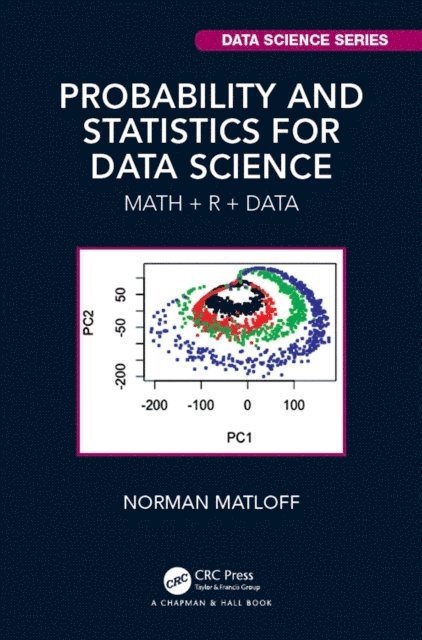
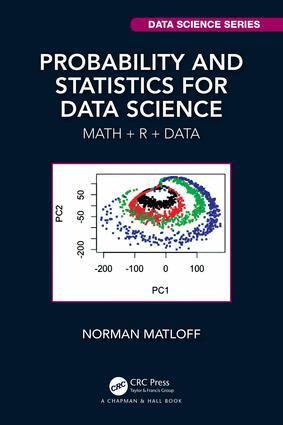
Probability and Statistics for Data Science
Math + R + Data
Inbunden, 2019
2555 kr
Lägg i varukorg
Probability and Statistics for Data Science: Math + R + Data covers "math stat"—distributions, expected value, estimation etc.—but takes the phrase "Data Science" in the title quite seriously:* Real datasets are used extensively. * All data analysis is supported by R coding. * Includes many Data …
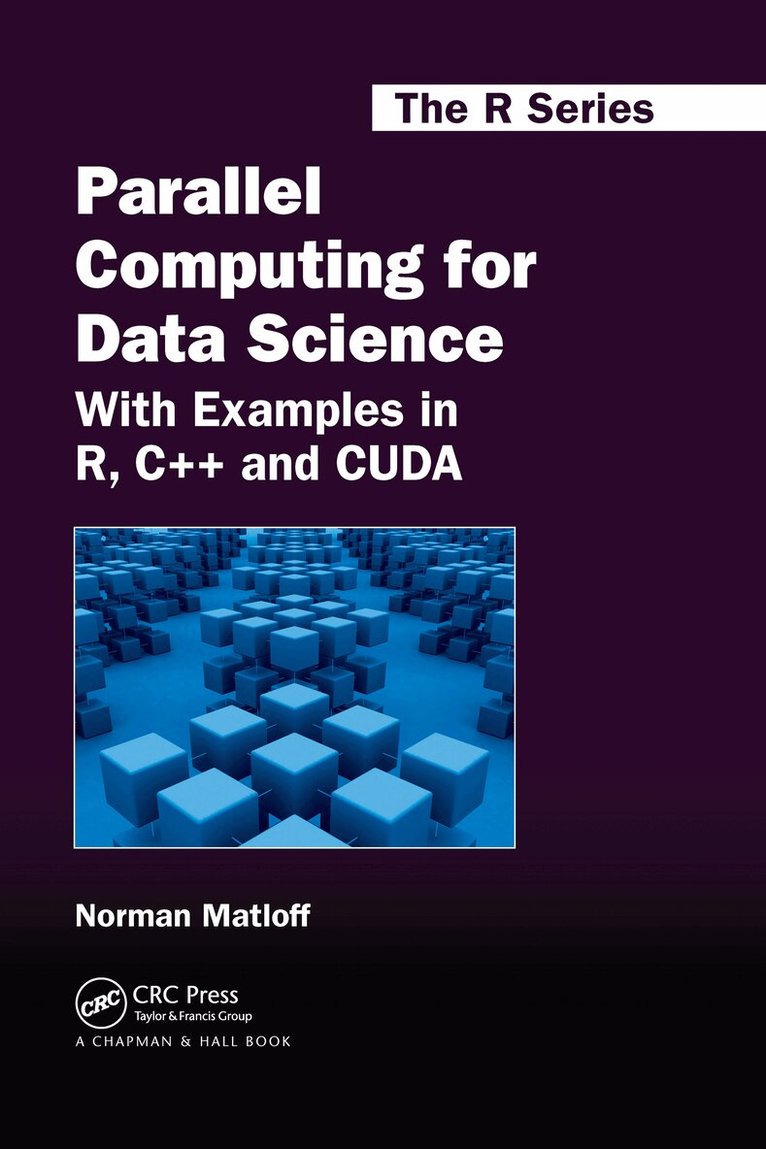
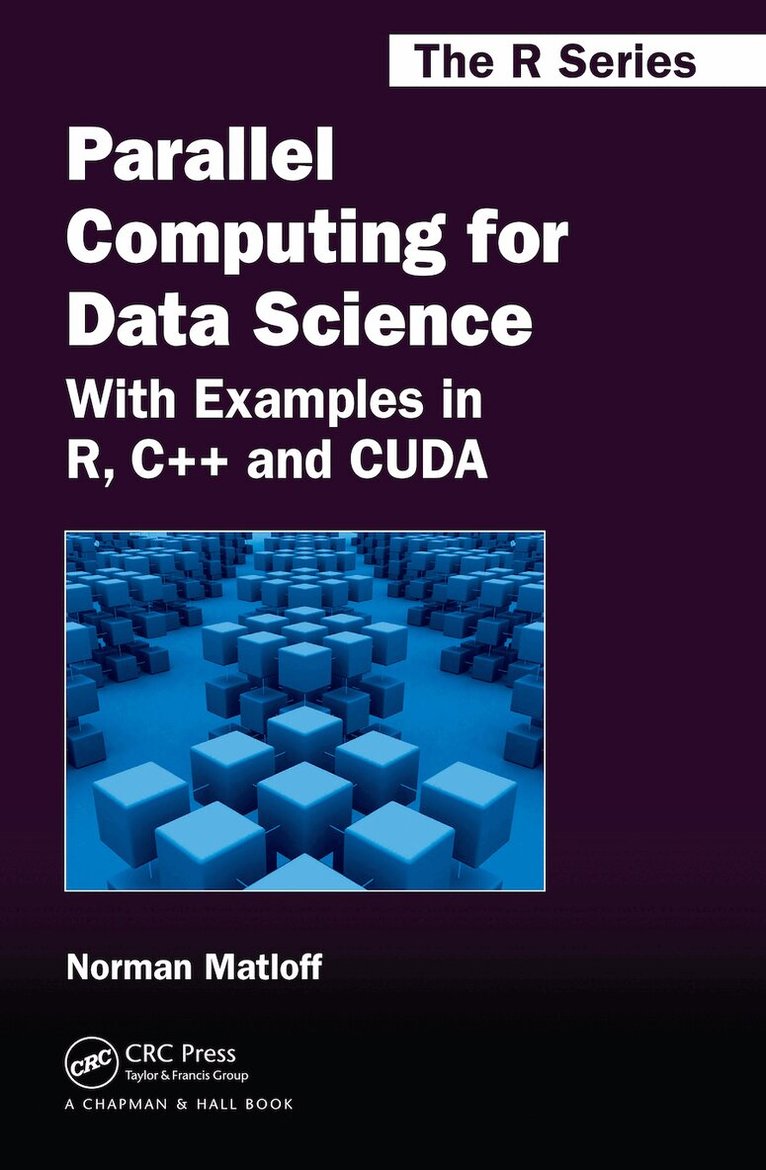
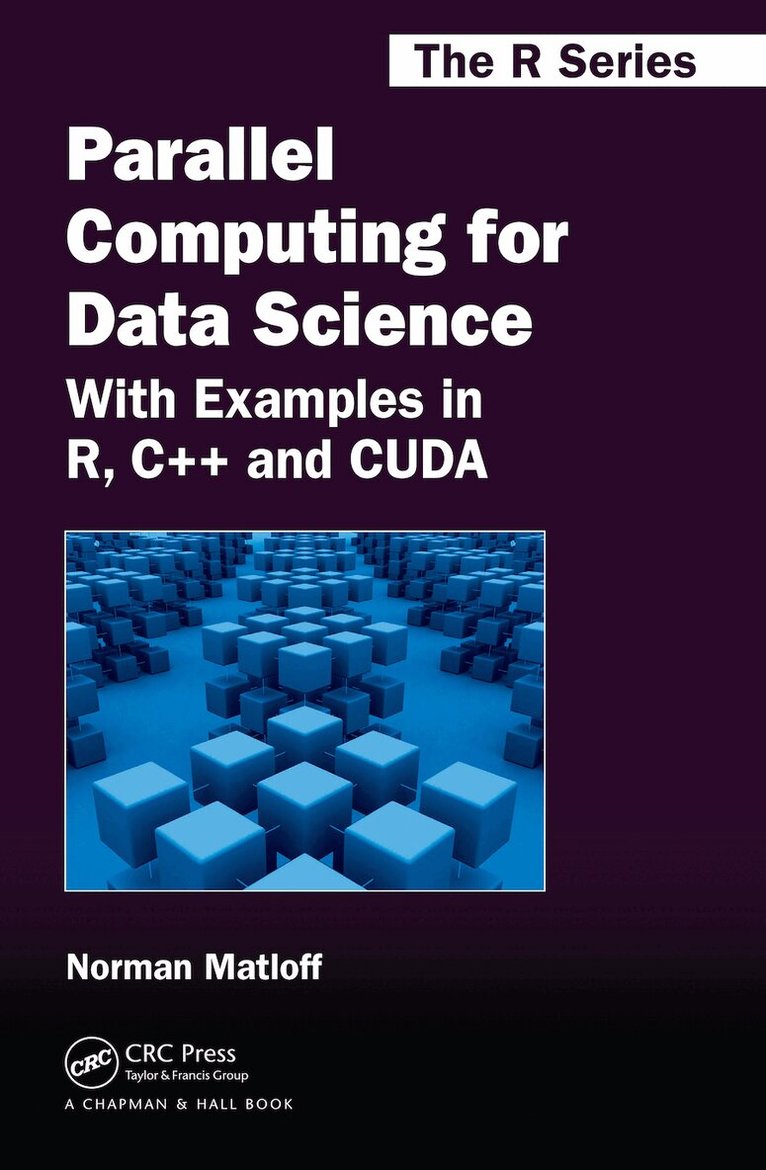
Parallel Computing for Data Science
With Examples in R, C++ and CUDA
Häftad, 2020
791 kr
Lägg i varukorg
Parallel Computing for Data Science: With Examples in R, C++ and CUDA is one of the first parallel computing books to concentrate exclusively on parallel data structures, algorithms, software tools, and applications in data science. It includes examples not only from the classic "n observations, p …
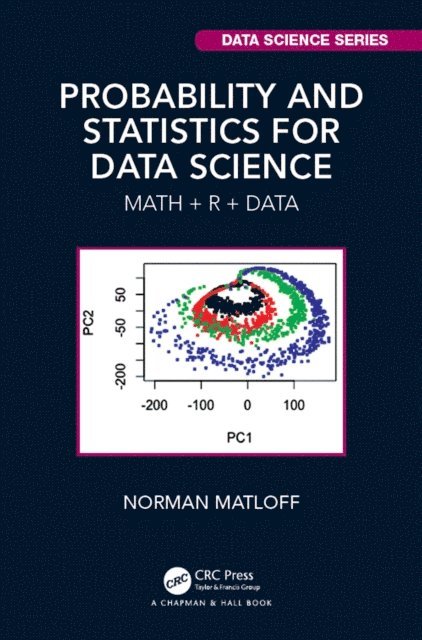
Probability and Statistics for Data Science
Math + R + Data
E-bok, 2019
1135 kr
Lägg i varukorg
Probability and Statistics for Data Science: Math + R + Data covers "math stat"—distributions, expected value, estimation etc.—but takes the phrase "Data Science" in the title quite seriously: * Real datasets are used extensively. * All data analysis is supported by R coding. * Includes many Data …
Probability and Statistics for Data Science
Math + R + Data
E-bok, 2019
1195 kr
Lägg i varukorg
Probability and Statistics for Data Science: Math + R + Data covers "math stat"—distributions, expected value, estimation etc.—but takes the phrase "Data Science" in the title quite seriously: * Real datasets are used extensively. * All data analysis is supported by R coding. * Includes many Data …
Parallel Computing for Data Science
With Examples in R, C++ and CUDA
E-bok, 2015
915 kr
Lägg i varukorg
This is one of the first parallel computing books to focus exclusively on parallel data structures, algorithms, software tools, and applications in data science. The book prepares readers to write effective parallel code in various languages and learn more about different R packages and other …
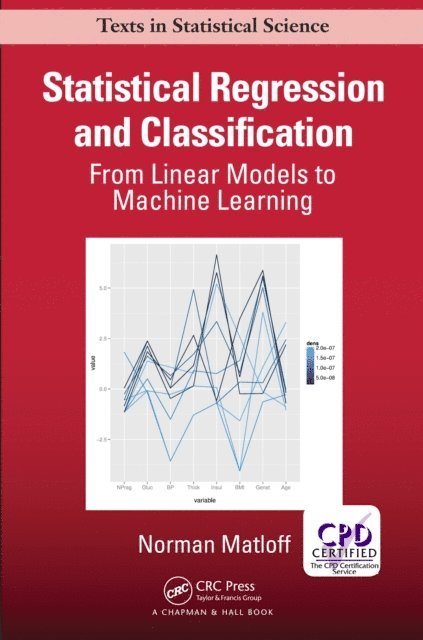
Statistical Regression and Classification
From Linear Models to Machine Learning
Inbunden, 2017
2736 kr
Lägg i varukorg
This text provides a modern introduction to regression and classification with an emphasis on big data and R. Each chapter is partitioned into a main body section and an extras section. The main body uses math stat very sparingly and always in the context of something concrete, which means that …
Probability and Statistics for Data Science
Math + R + Data
Häftad, 2019
983 kr
Lägg i varukorg
Probability and Statistics for Data Science: Math + R + Data covers "math stat"—distributions, expected value, estimation etc.—but takes the phrase "Data Science" in the title quite seriously:* Real datasets are used extensively. * All data analysis is supported by R coding. * Includes many Data …
Statistical Regression and Classification
From Linear Models to Machine Learning
E-bok, 2017
1247 kr
Lägg i varukorg
This text provides a modern introduction to regression and classification with an emphasis on big data and R. Each chapter is partitioned into a main body section and an extras section. The main body uses math stat very sparingly and always in the context of something concrete, which means that …
Parallel Computing for Data Science
With Examples in R, C++ and CUDA
Inbunden, 2015
1263 kr
Lägg i varukorg
Parallel Computing for Data Science: With Examples in R, C++ and CUDA is one of the first parallel computing books to concentrate exclusively on parallel data structures, algorithms, software tools, and applications in data science. It includes examples not only from the classic "n observations, p …
Parallel Computing for Data Science
With Examples in R, C++ and CUDA
E-bok, 2015
963 kr
Lägg i varukorg
This is one of the first parallel computing books to focus exclusively on parallel data structures, algorithms, software tools, and applications in data science. The book prepares readers to write effective parallel code in various languages and learn more about different R packages and other …
Statistical Regression and Classification
From Linear Models to Machine Learning
Häftad, 2017
1183 kr
Lägg i varukorg
This text provides a modern introduction to regression and classification with an emphasis on big data and R. Each chapter is partitioned into a main body section and an extras section. The main body uses math stat very sparingly and always in the context of something concrete, which means that …
Statistical Regression and Classification
From Linear Models to Machine Learning
E-bok, 2017
1247 kr
Lägg i varukorg
This text provides a modern introduction to regression and classification with an emphasis on big data and R. Each chapter is partitioned into a main body section and an extras section. The main body uses math stat very sparingly and always in the context of something concrete, which means that …
Art of Debugging with GDB, DDD, and Eclipse
Av Peter Jay Salzman, Norman Matloff
E-bok, 2008
378 kr
Lägg i varukorg
Debugging is crucial to successful software development, but even many experienced programmers find it challenging. Sophisticated debugging tools are available, yet it may be difficult to determine which features are useful in which situations. The Art of Debugging is your guide to making the …
Art of R Programming
A Tour of Statistical Software Design
E-bok, 2011
459 kr
Lägg i varukorg
R is the world''s most popular language for developing statistical software: Archaeologists use it to track the spread of ancient civilizations, drug companies use it to discover which medications are safe and effective, and actuaries use it to assess financial risks and keep economies running …