Normand Landry – författare
Visar alla böcker från författaren Normand Landry. Handla med fri frakt och snabb leverans.
6 produkter
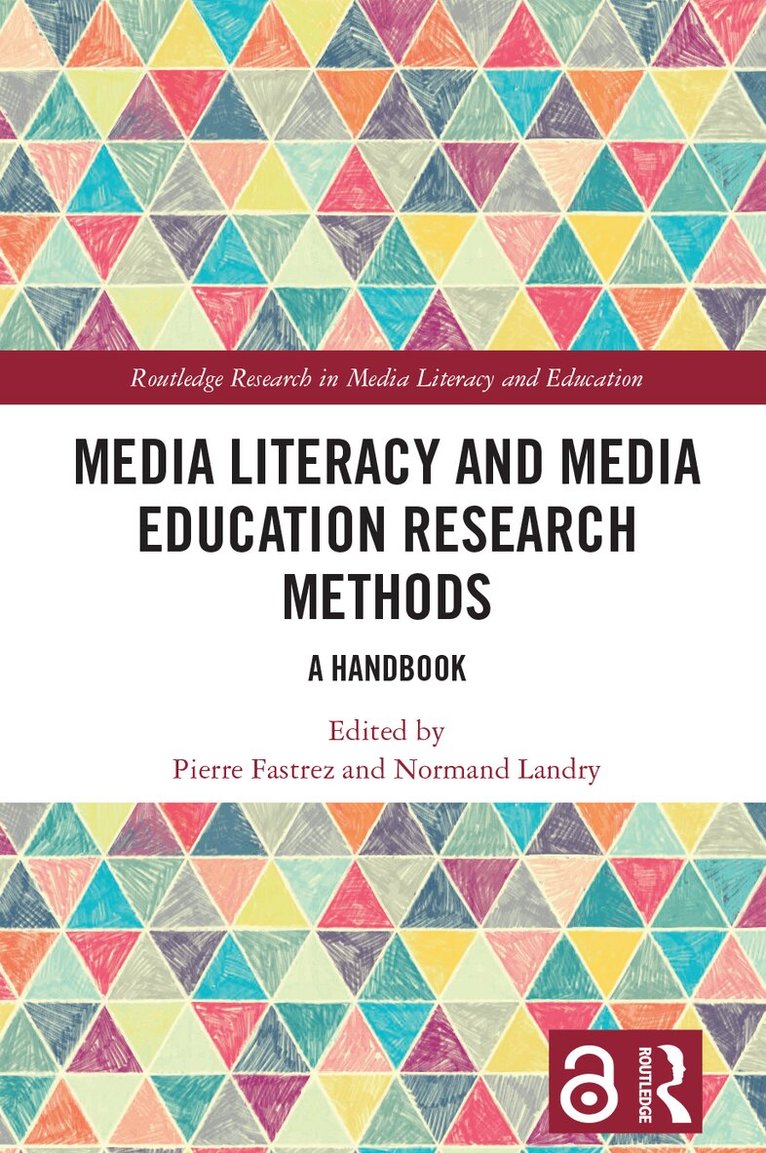
Media Literacy and Media Education Research Methods
A Handbook
Av Pierre Fastrez, Normand Landry
Inbunden, 2023
2439 kr
Lägg i varukorg
This handbook interrogates the foundations of media literacy and media education research from a methodological standpoint. It provides a detailed, illustrated overview of key methods used in the study of media literacy and media education. Further, it reveals the diversity of this research field …
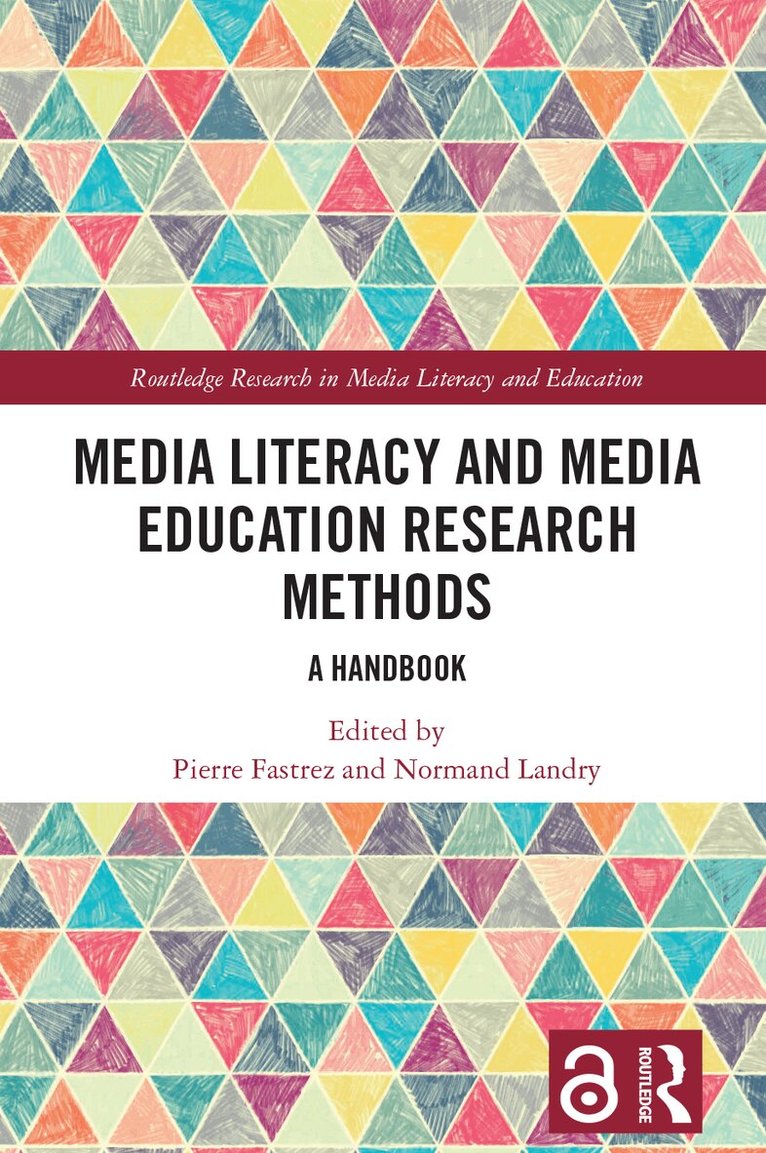
Media Literacy and Media Education Research Methods
A Handbook
Av Pierre Fastrez, Normand Landry
Häftad, 2025
686 kr
Lägg i varukorg
This handbook interrogates the foundations of media literacy and media education research from a methodological standpoint. It provides a detailed, illustrated overview of key methods used in the study of media literacy and media education. Further, it reveals the diversity of this research field …
Media Literacy and Media Education Research Methods
A Handbook
Av Normand Landry, Pierre Fastrez
E-bok, 2023
767 kr
Lägg i varukorg
This handbook interrogates the foundations of media literacy and media education research from a methodological standpoint. It provides a detailed, illustrated overview of key methods used in the study of media literacy and media education. Further, it reveals the diversity of this research field …
Media Literacy and Media Education Research Methods
A Handbook
Av Normand Landry, Pierre Fastrez
E-bok, 2023
750 kr
Lägg i varukorg
This handbook interrogates the foundations of media literacy and media education research from a methodological standpoint. It provides a detailed, illustrated overview of key methods used in the study of media literacy and media education. Further, it reveals the diversity of this research field …
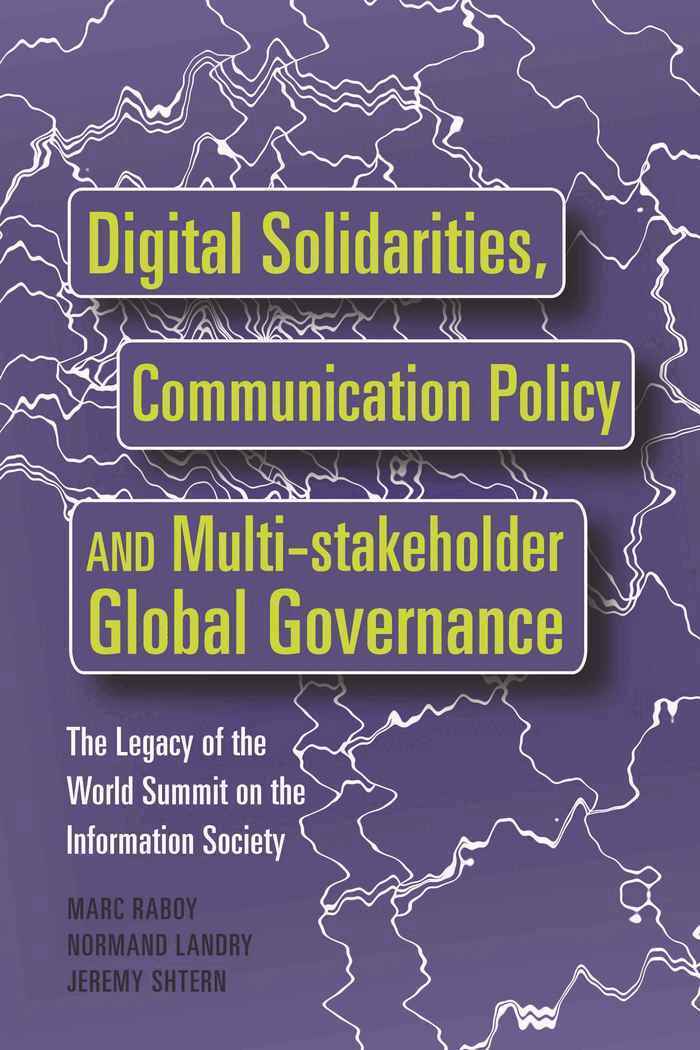
Digital Solidarities, Communication Policy and Multi-stakeholder Global Governance
The Legacy of the World Summit on the Information Society
Av Marc Raboy, Normand Landry m. fl.
Inbunden, 2010
951 kr
Lägg i varukorg
In 2003 and again in 2005, the international community was called by the United Nations to take part in a World Summit on the Information Society (WSIS). This two-phased summit placed an unprecedented global spotlight on information and communication issues. At the same time, the WSIS represented a …