Nuno Luis Vila-Santa Braga Campos – författare
Visar alla böcker från författaren Nuno Luis Vila-Santa Braga Campos. Handla med fri frakt och snabb leverans.
4 produkter
4 produkter
E-bok
PDF, Engelska, 202526 kr
Läs direkt efter köp
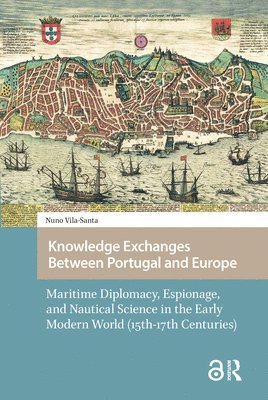
Following recent historiographical appeals on the need to study knowledge exchanges between European maritime rivals and their impact on overseas expansionist processes, this book makes this study for the Portuguese overseas empire between the fifteenth and seventeenth centuries. As the first European maritime power to systematically launch long-distance voyages, Portugal became a model worth emulation when Spain, France, England and the Dutch Republic started their own overseas enterprises. In different chapters that each adopt a case study relation (Portugal-Spain, Portugal-England, Portugal-France and Portugal-Dutch Republic), this book documents how Portuguese maritime knowledge was outsourced by its maritime rivals. The impact that Portuguese nautical knowledge had is evaluated, resorting particularly to a wide range of diplomatic and espionage documents. Finally, the book discusses the alleged Iberian secrecy policies regarding maritime knowledge, explaining why there is no serious reason to consider their success.
E-bok
Engelska, 2025566 kr
Läs direkt efter köp
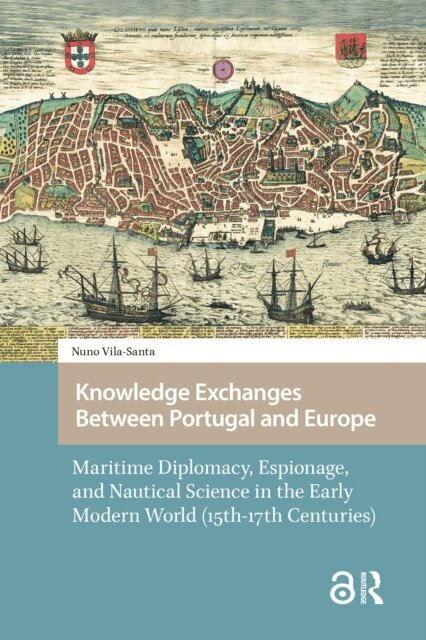
Following recent historiographical appeals on the need to study knowledge exchanges between European maritime rivals and their impact on overseas expansionist processes, this book makes this study for the Portuguese overseas empire between the fifteenth and seventeenth centuries. As the first European maritime power to systematically launch long-distance voyages, Portugal became a model worth emulation when Spain, France, England and the Dutch Republic started their own overseas enterprises. In different chapters that each adopt a case study relation (Portugal-Spain, Portugal-England, Portugal-France and Portugal-Dutch Republic), this book documents how Portuguese maritime knowledge was outsourced by its maritime rivals. The impact that Portuguese nautical knowledge had is evaluated, resorting particularly to a wide range of diplomatic and espionage documents. Finally, the book discusses the alleged Iberian secrecy policies regarding maritime knowledge, explaining why there is no serious reason to consider their success.
Häftad, Engelska, 2025
675 kr
Skickas inom 10-15 vardagar
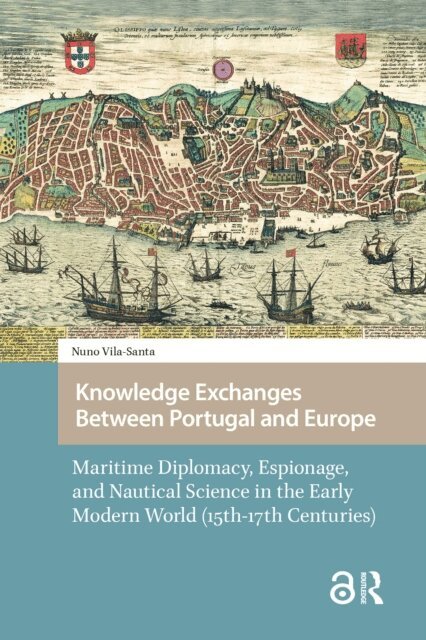
Following recent historiographical appeals on the need to study knowledge exchanges between European maritime rivals and their impact on overseas expansionist processes, this book makes this study for the Portuguese overseas empire between the fifteenth and seventeenth centuries. As the first European maritime power to systematically launch long-distance voyages, Portugal became a model worth emulation when Spain, France, England and the Dutch Republic started their own overseas enterprises. In different chapters that each adopt a case study relation (Portugal-Spain, Portugal-England, Portugal-France and Portugal-Dutch Republic), this book documents how Portuguese maritime knowledge was outsourced by its maritime rivals. The impact that Portuguese nautical knowledge had is evaluated, resorting particularly to a wide range of diplomatic and espionage documents. Finally, the book discusses the alleged Iberian secrecy policies regarding maritime knowledge, explaining why there is no serious reason to consider their success.
Del 7 - Maritime Humanities, 1400-1800
Knowledge Exchanges Between Portugal and Europe
Maritime Diplomacy, Espionage, and Nautical Science in the Early Modern World (15th-17th Centuries)
Inbunden, Engelska, 2024
2 114 kr
Skickas inom 10-15 vardagar
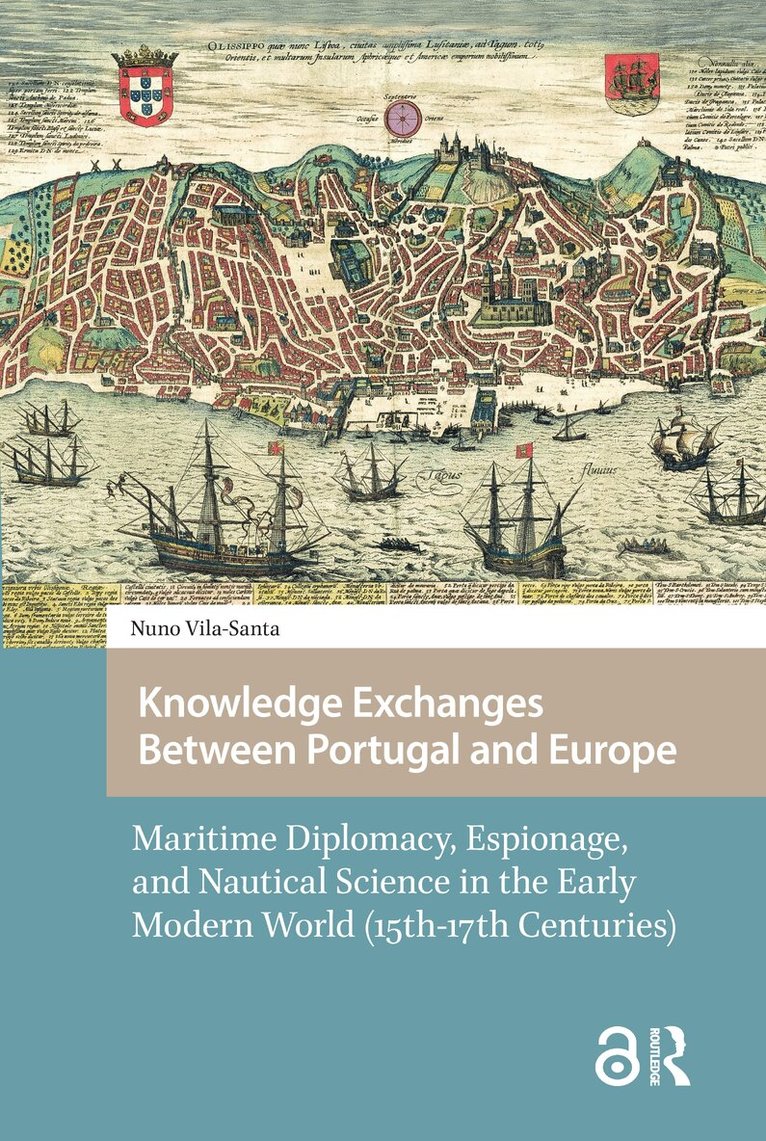
Following recent historiographical appeals on the need to study knowledge exchanges between European maritime rivals and their impact on overseas expansionist processes, this book makes this study for the Portuguese overseas empire between the fifteenth and seventeenth centuries. As the first European maritime power to systematically launch long-distance voyages, Portugal became a model worth emulation when Spain, France, England and the Dutch Republic started their own overseas enterprises. In different chapters that each adopt a case study relation (Portugal-Spain, Portugal-England, Portugal-France and Portugal-Dutch Republic), this book documents how Portuguese maritime knowledge was outsourced by its maritime rivals. The impact that Portuguese nautical knowledge had is evaluated, resorting particularly to a wide range of diplomatic and espionage documents. Finally, the book discusses the alleged Iberian secrecy policies regarding maritime knowledge, explaining why there is no serious reason to consider their success.