Nuttha Thongchul – författare
2 219 kr
Skickas inom 10-15 vardagar
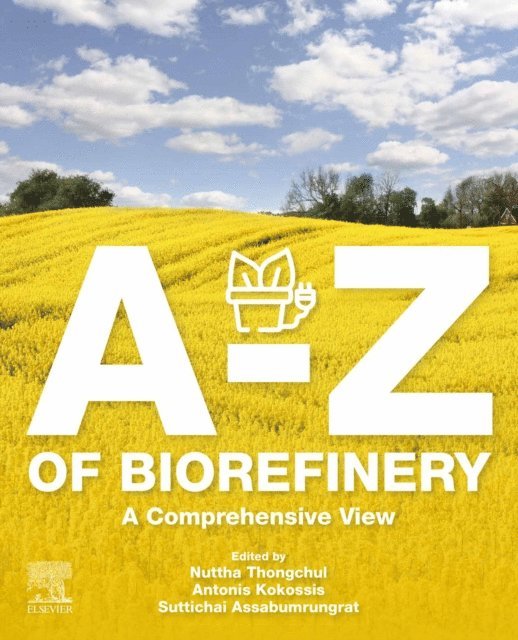
A-Z of Biorefinery: A Comprehensive View provides a comprehensive book that highlights and illustrates important topics relating to biorefineries, including associated theory, current and future research trends, available techniques and future challenges. This book will benefit a wide range of audiences, including students, engineers, scientists, practitioners, and those who are keen to explore more on biorefinery. Sections cover the availability of current technologies, constraints, market trends, recent system developments, and the concepts that enable modern biorefineries to utilize all kinds of biomass. This book is an essential resource for students, scientists, engineers and practitioners working in industry and academia.
Covers the most important topics relating to biorefineries Provides related definitions, theories, overviews of methods, applications and important references Offers perspectives and concise reviews for each section Includes complete design case studies with tutorials3 178 kr
Läs direkt efter köp
1 814 kr
Skickas inom 5-8 vardagar
2 030 kr
Läs direkt efter köp
Sets the stage for large-scale production of biofuels and bio-based chemicals
In response to diminishing supplies as well as the environmental hazards posed by fossil fuels and petrochemicals, interest and demand for green, sustainable biofuels and bio-based chemicals are soaring. Biomass may be the solution. It is an abundant carbon-neutral renewable feedstock that can be used for the production of fuels and chemicals. Currently, biorefineries use corn, soybeans, and sugarcane for bioethanol and biodiesel production; however, there are many challenges facing biorefineries, preventing biomass from reaching its full potential.
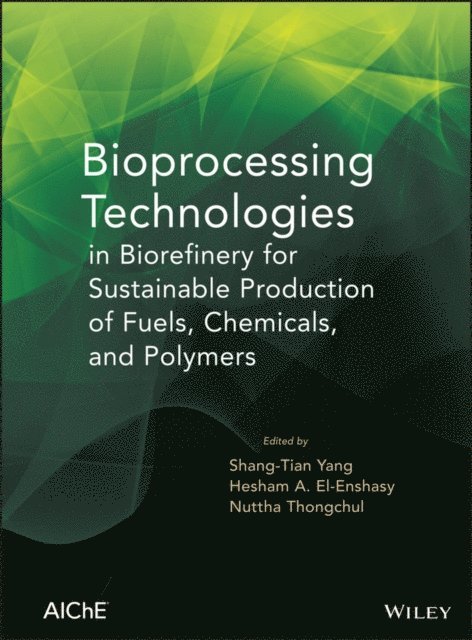
This book provides a comprehensive review of bioprocessing technologies that use lignocellulosic biomass for the production of biofuels, biochemicals, and biopolymers. It begins with an overview of integrated biorefineries. Next, it covers:
Biomass feedstocks, including sugar, starch, oil, and energy crops as well as microalgae Pretreatment technologies for lignocellulosic biomass Hydrolytic enzymes used in biorefineries for the hydrolysis of starch and lignocelluloses Bioconversion technologies for current and future biofuels such as ethanol, biodiesel, butanol, hydrogen, and biogas Specialty chemicals, building block chemicals, and biopolymers produced via fermentation Phytochemicals and functional food ingredients extracted from plant materialsAll the chapters have been written and edited by leading experts in bioprocessing and biorefining technologies. Contributions are based on a thorough review of the literature as well as the authors'' firsthand experience developing and working with bioprocessing technologies.
By setting forth the current state of the technology and pointing to promising new directions in research, Bioprocessing Technologies in Biorefinery for Sustainable Production of Fuels, Chemicals, and Polymers will enable readers to move towards large-scale, sustainable, and economical production of biofuels and bio-based chemicals.
2 030 kr
Läs direkt efter köp
Sets the stage for large-scale production of biofuels and bio-based chemicals
In response to diminishing supplies as well as the environmental hazards posed by fossil fuels and petrochemicals, interest and demand for green, sustainable biofuels and bio-based chemicals are soaring. Biomass may be the solution. It is an abundant carbon-neutral renewable feedstock that can be used for the production of fuels and chemicals. Currently, biorefineries use corn, soybeans, and sugarcane for bioethanol and biodiesel production; however, there are many challenges facing biorefineries, preventing biomass from reaching its full potential.
This book provides a comprehensive review of bioprocessing technologies that use lignocellulosic biomass for the production of biofuels, biochemicals, and biopolymers. It begins with an overview of integrated biorefineries. Next, it covers:
Biomass feedstocks, including sugar, starch, oil, and energy crops as well as microalgae Pretreatment technologies for lignocellulosic biomass Hydrolytic enzymes used in biorefineries for the hydrolysis of starch and lignocelluloses Bioconversion technologies for current and future biofuels such as ethanol, biodiesel, butanol, hydrogen, and biogas Specialty chemicals, building block chemicals, and biopolymers produced via fermentation Phytochemicals and functional food ingredients extracted from plant materialsAll the chapters have been written and edited by leading experts in bioprocessing and biorefining technologies. Contributions are based on a thorough review of the literature as well as the authors'' firsthand experience developing and working with bioprocessing technologies.
By setting forth the current state of the technology and pointing to promising new directions in research, Bioprocessing Technologies in Biorefinery for Sustainable Production of Fuels, Chemicals, and Polymers will enable readers to move towards large-scale, sustainable, and economical production of biofuels and bio-based chemicals.