
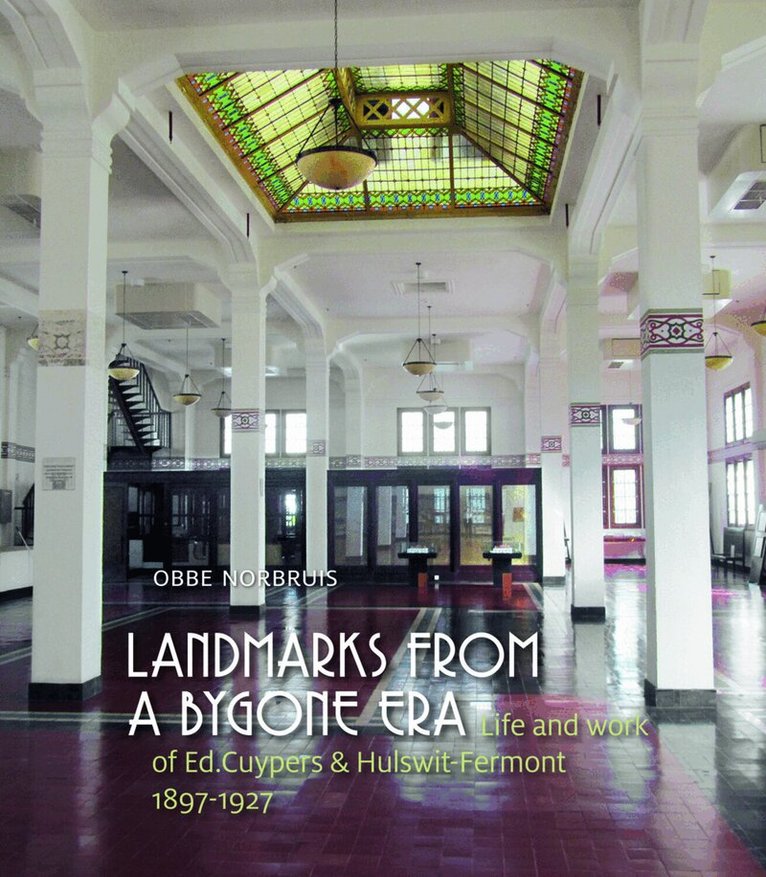
It goes without saying that one building after the other was built in the Dutch East Indies, the current Indonesia. Newspapers jubilated again a jewel for the city. The man behind it was Eduard Cuypers (1859-1927). With his firm he was one of the most celebrated architects in the Netherlands around 1900. He has fallen into oblivion due to changed views in architecture. Working from Amsterdam, his office designed numerous projects overseas in collaboration with Marius Hulswit (1862-1921) and Arthur Fermont (1882-1967), many of this buildings still exist in Indonesia. They are landmarks of a bygone era in Indonesian city. This is a fascinating story about these buildings and the people behind them. This is the English revised edition of the book Alweer een sieraad voor de stad
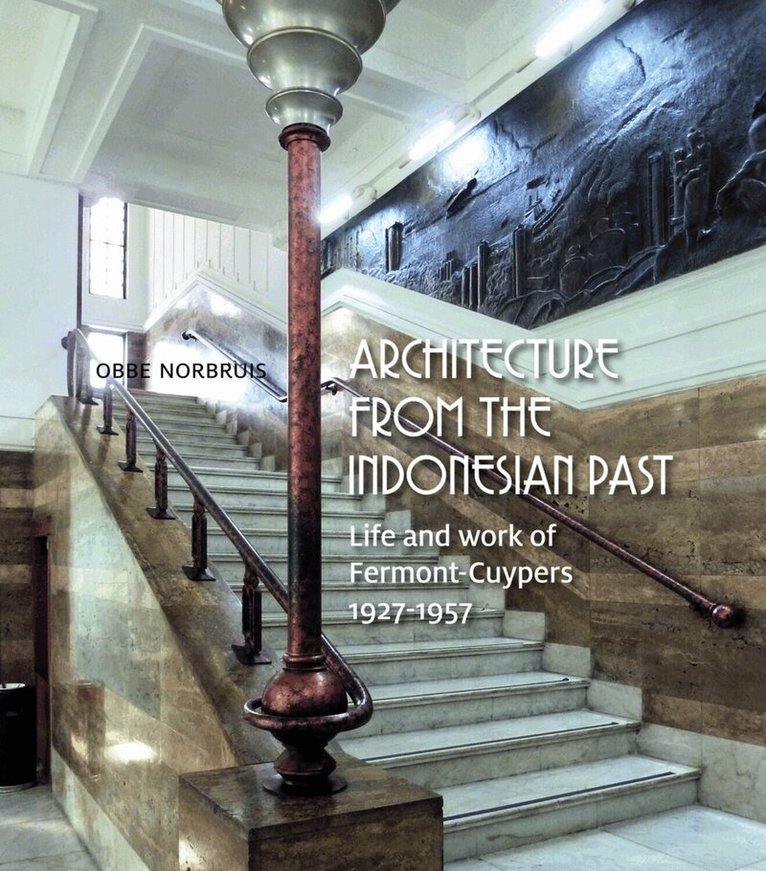
Things are changing and we are changing with it, was their motto. Since 1927 uprising broke out against the Dutch in the colony, the crisis followed. They continued to design stoically at Fermont-Cuypers; schools, churches, villas and offices. All buildings on which the Dutch flag fluttered. Nationalism played worldwide. At the end of the 1930s, the crisis was over for them too, they designed, hospitals, head offices, hotels, and even a passenger terminal in Tanjung Priok. The busy season will soon start again, many tourists are expected, wrote the newspapers shortly before the German invasion of the Netherlands. Everything changed because of the war in the archipelago. After Indonesian independence, the firm had a restart until 1958. Their buildings still exist in Jakarta, Surabaya, Medan, Bandung and many other cities. Indonesia is proud of it. This book tells the story of a productive architecture firm, unique buildings and the people behind them. This is the English revised edition of the book Architectuur met vlag en wimpel.
It goes without saying that one building after the other was built in the Dutch East Indies, the current Indonesia. Newspapers jubilated again a jewel for the city. The man behind it was Eduard Cuypers (1859-1927). With his firm he was one of the most celebrated architects in the Netherlands around 1900. He has fallen into oblivion due to changed views in architecture. Working from Amsterdam, his office designed numerous projects overseas in collaboration with Marius Hulswit (1862-1921) and Arthur Fermont (1882-1967), many of this buildings still exist in Indonesia. They are landmarks of a bygone era in Indonesian city. This is a fascinating story about these buildings and the people behind them. This is the English revised edition of the book Alweer een sieraad voor de stad
Things are changing and we are changing with it, was their motto. Since 1927 uprising broke out against the Dutch in the colony, the crisis followed. They continued to design stoically at Fermont-Cuypers; schools, churches, villas and offices. All buildings on which the Dutch flag fluttered. Nationalism played worldwide. At the end of the 1930s, the crisis was over for them too, they designed, hospitals, head offices, hotels, and even a passenger terminal in Tanjung Priok. The busy season will soon start again, many tourists are expected, wrote the newspapers shortly before the German invasion of the Netherlands. Everything changed because of the war in the archipelago. After Indonesian independence, the firm had a restart until 1958. Their buildings still exist in Jakarta, Surabaya, Medan, Bandung and many other cities. Indonesia is proud of it. This book tells the story of a productive architecture firm, unique buildings and the people behind them. This is the English revised edition of the book Architectuur met vlag en wimpel.