Odilon Caldeira Neto – författare
Visar alla böcker från författaren Odilon Caldeira Neto. Handla med fri frakt och snabb leverans.
8 produkter
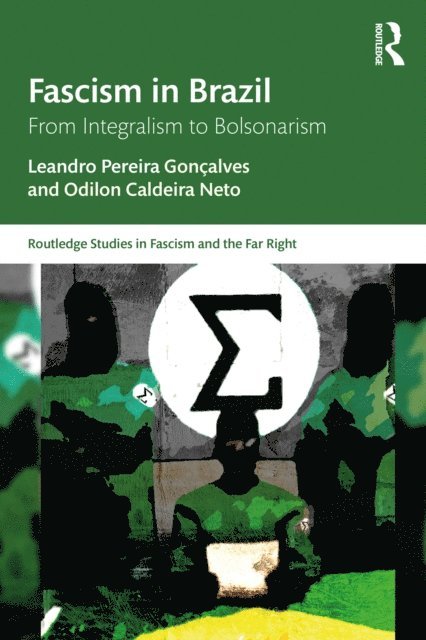
Fascism in Brazil
From Integralism to Bolsonarism
Av Odilon Caldeira Neto, Leandro Pereira Goncalves
E-bok, 2022
767 kr
Lägg i varukorg
Fascism in Brazil analyzes the long and varied history of the Brazilian extreme right. The book examines integralism, the main historical Brazilian fascist ideology represented by Brazilian integralist Action, the largest fascist movement outside Europe. It analyzes the Integralist tradition from …
Fascism in Brazil
From Integralism to Bolsonarism
Av Odilon Caldeira Neto, Leandro Pereira Goncalves
E-bok, 2022
750 kr
Lägg i varukorg
Fascism in Brazil analyzes the long and varied history of the Brazilian extreme right. The book examines integralism, the main historical Brazilian fascist ideology represented by Brazilian integralist Action, the largest fascist movement outside Europe. It analyzes the Integralist tradition from …
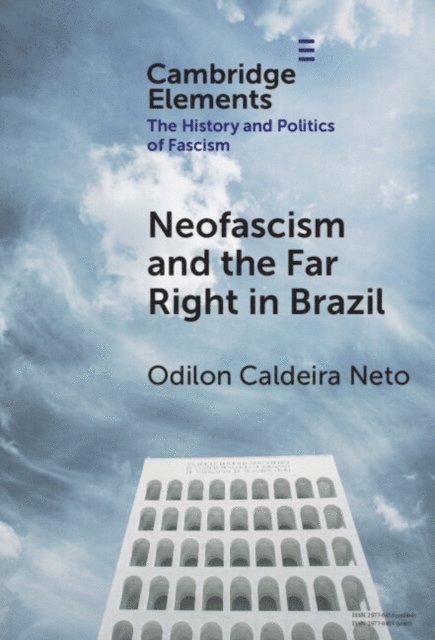
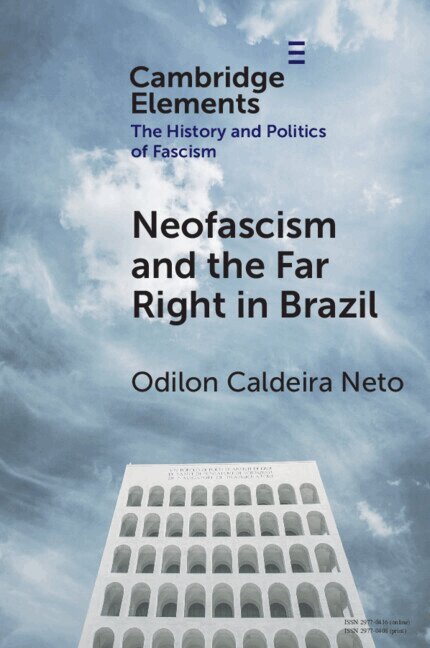
Neo-Fascism and the Far Right in Brazil
Inbunden, 2025
938 kr
Lägg i varukorg
Is there a history of neo-fascism in Brazil? The purpose of this Element is to analyze neo-fascism as a late phenomenon to understand its impacts and its connections with the so-called new rights, the radical right, as well as Bolsonarism. For this purpose, this Element is separated in three …
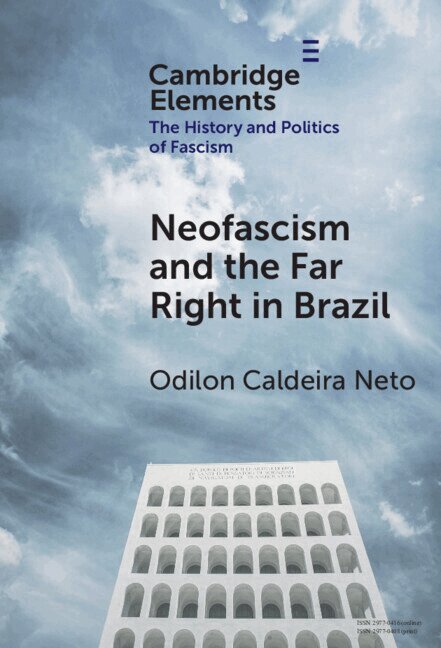
Neo-Fascism and the Far Right in Brazil
Häftad, 2025
317 kr
Lägg i varukorg
Is there a history of neo-fascism in Brazil? The purpose of this Element is to analyze neo-fascism as a late phenomenon to understand its impacts and its connections with the so-called new rights, the radical right, as well as Bolsonarism. For this purpose, this Element is separated in three …
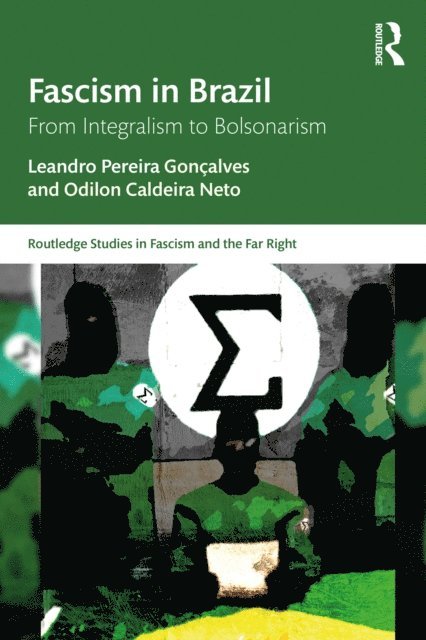
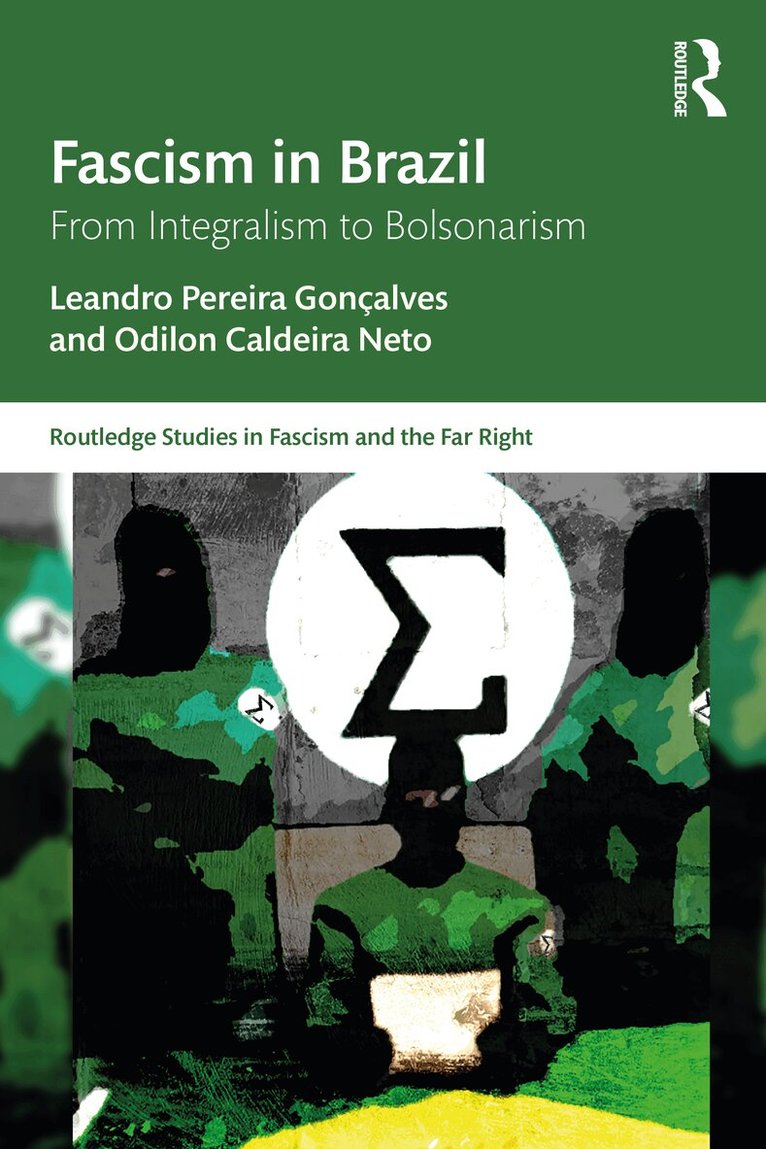
Fascism in Brazil
From Integralism to Bolsonarism
Av Leandro Pereira Gonçalves, Odilon Caldeira Neto
Häftad, 2022
633 kr
Lägg i varukorg
Fascism in Brazil analyzes the long and varied history of the Brazilian extreme right.The book examines integralism, the main historical Brazilian fascist ideology represented by Brazilian integralist Action, the largest fascist movement outside Europe. It analyzes the Integralist tradition from …
Fascism in Brazil
From Integralism to Bolsonarism
Av Leandro Pereira Gonçalves, Odilon Caldeira Neto
Inbunden, 2022
2512 kr
Lägg i varukorg
Fascism in Brazil analyzes the long and varied history of the Brazilian extreme right.The book examines integralism, the main historical Brazilian fascist ideology represented by Brazilian integralist Action, the largest fascist movement outside Europe. It analyzes the Integralist tradition from …