Ofra Bengio – författare
Visar alla böcker från författaren Ofra Bengio. Handla med fri frakt och snabb leverans.
4 produkter
4 produkter
785 kr
Skickas inom 3-6 vardagar
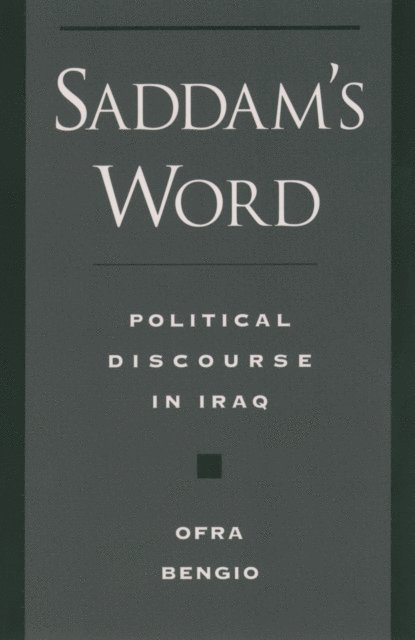
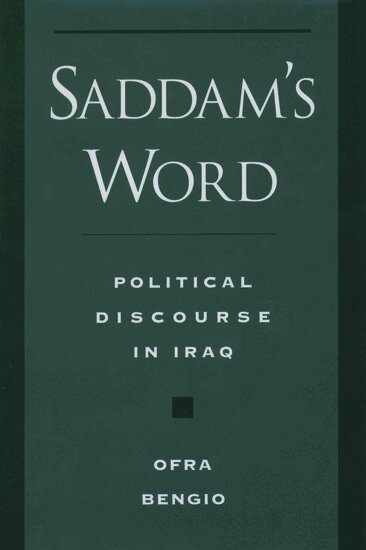
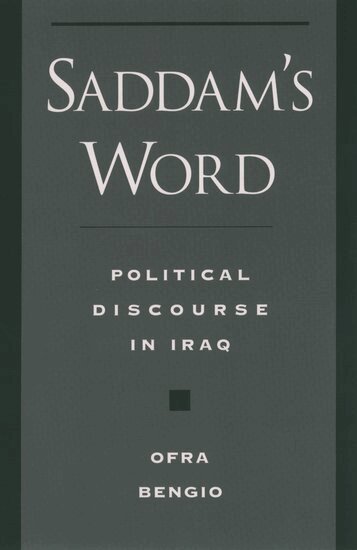
This is the first serious attempt to understand modern Iraq through a close examination of the political discourse used by the Ba'th regime and its leader, Saddam Hussein. By analysing political terms, concepts, and idioms as disseminated through the official Iraqi mouthpieces, author Ofra Bengio illuminates Iraq's political culture and the events that these expressions have both reflected and shaped. Not only does this study add to our understanding of the "Saddam enigma;" it also offers a more universal truth: that under any regime, political culture is built on public discourse. Saddam's Word will be of much interest to students of the contemporary Middle East, as well as to all other observers of Saddam Hussein and his regime.
414 kr
Skickas inom 5-8 vardagar
This is the first serious attempt to understand modern Iraq through a close examination of the political discourse used by the Ba'th regime and its leader, Saddam Hussein. By analyzing political terms, concepts, and idioms as disseminated through the official Iraqi mouthpieces, author Ofra Bengio illuminates Iraq's political culture and the events that these expressions have both reflected and shaped. Not only does this study add to our understanding of the "Saddam enigma", it also offers a more universal truth; that under any regime, political culture is built on public discourse. Saddam's Word will be of much interest to students of the contemporary Middle East, as well as to all other observers of Saddam Hussein and his regime.
371 kr
Skickas inom 10-15 vardagar
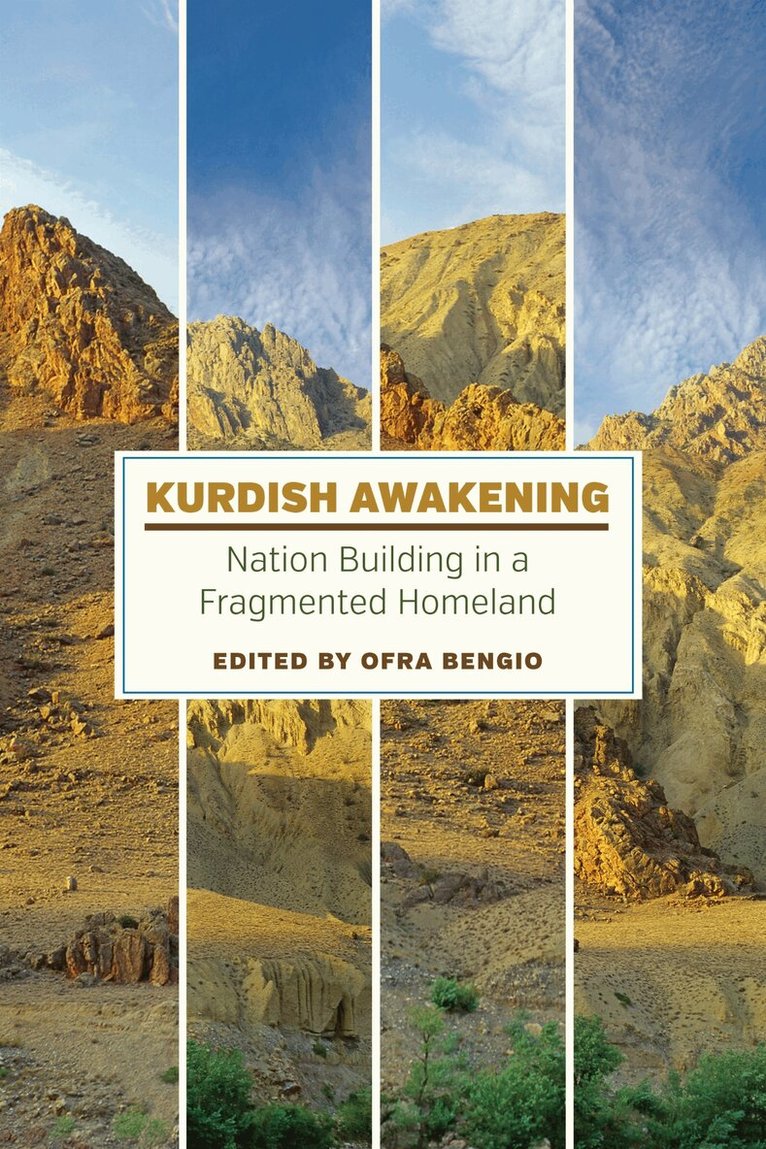
Kurdish Awakening examines key questions related to Kurdish nationalism and identity formation in Syria, Iraq, Iran, and Turkey. The world’s largest stateless ethnic group, Kurds have steadily grown in importance as a political power in the Middle East, particularly in light of the “Arab Spring.” As a result, Kurdish issues-political, cultural, and historical alike-have emerged as the subject of intense scholarly interest. This book provides fresh ways of understanding the historical and sociopolitical underpinnings of the ongoing Kurdish awakening and its already significant impact on the region.Rather than focusing on one state or angle, this anthology fills a gap in the literature on the Kurds by providing a panoramic view of the Kurdish homeland’s various parts. The volume focuses on aspects of Kurdish nationalism and identity formation not addressed elsewhere, including perspectives on literature, gender, and constitution making. Further, broad thematic essays include a discussion of the historical experiences of the Kurds from the time of their Islamization more than a millennium ago up until the modern era, a comparison of the Kurdish experience with other ethno-national movements, and a treatment of the role of tribalism in modern nation building. This collection is unique in its use of original sources in various languages. The result is an analytically rich portrayal that sheds light on the Kurds’ prospects and the challenges they confront in a region undergoing sweeping upheavals.
562 kr
Skickas inom 11-20 vardagar
This compilation of essays on Kurdish history, society, identity, and politics covering developments over the last four decades reflects the sea changes that have taken place in Greater Kurdistan and the sociopolitical processes it has undergone during this crucial time span.Challenging conventional wisdom, Ofra Bengio argues that the harsh treatment of the Kurds at the hands of central governments caused instability in the Middle East rather than the Kurds who have been blamed for it. Another theme that was canonized by the West and that this book calls into question is the urge to maintain by force of arms the integrity of states such as Iraq, even if they have proved to be failed ones. It was this urge that made the West pay heavily, economically, militarily, and politically, throughout Iraq’s hundred years of existence. Finally, the book argues that the international community’s support of existing central governments and its disregard for the Kurdish national movements have bolstered the policies of denial and subjugation of the Kurds, policies that were common to all four states comprising Greater Kurdistan.