Ogai Mori – författare
Visar alla böcker från författaren . Handla med fri frakt och snabb leverans.
10 produkter
10 produkter
Häftad, Engelska, 1995
228 kr
Skickas inom 5-8 vardagar
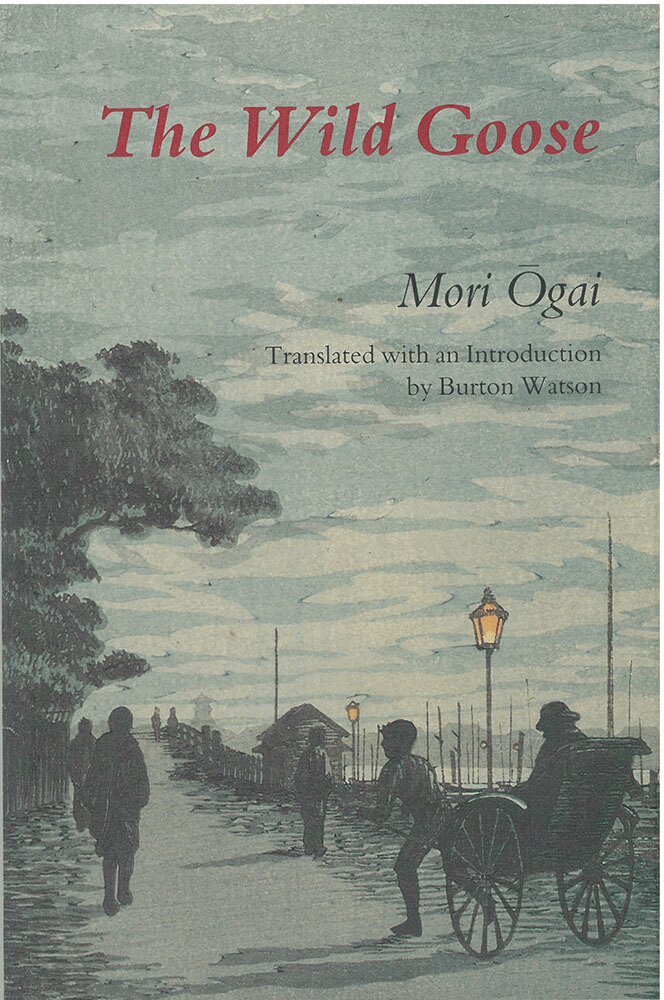
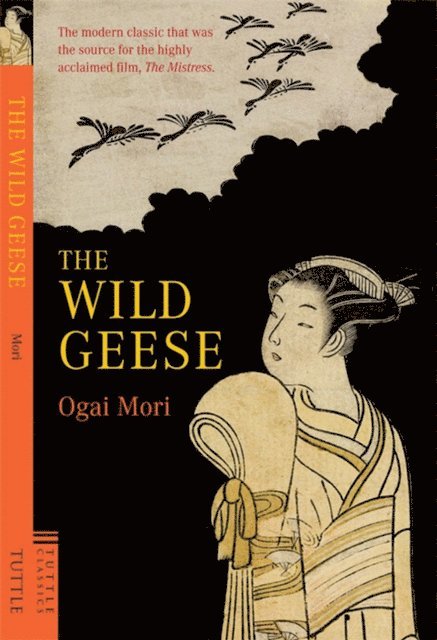
Mori Ōgai (1862–1922), one of the giants of modern Japanese literature, wrote The Wild Goose at the turn of the century. Set in the early 1880s, it was, for contemporary readers, a nostalgic return to a time when the nation was embarking on an era of dramatic change. Ōgai’s narrator is a middle-aged man reminiscing about an unconsummated affair, dating to his student days, between his classmate and a young woman kept by a moneylender. At a time when writers tended to depict modern, alienated male intellectuals, the characters of The Wild Goose are diverse, including not only students preparing for a privileged intellectual life and members of the plebeian classes who provide services to them, but also a pair of highly developed female characters. The author’s sympathetic and penetrating portrayal of the dilemmas and frustrations faced by women in this early period of Japan’s modernization makes the story of particular interest to readers today. Ōgai was not only a prolific and popular writer, but also a protean figure in early modern Japan: critic, translator, physician, military officer, and eventually Japan’s Surgeon General. His rigorous and broad education included the Chinese classics as well as Dutch and German; he gained admittance to the Medical School of Tokyo Imperial University at the age of only fifteen. Once established as a military physician, he was sent to Germany for four years to study aspects of European medicine still unfamiliar to the Japanese. Upon his return, he produced his first works of fiction and translations of English and European literature. Ōgai’s writing is extolled for its unparalleled style and psychological insight, nowhere better demonstrated than in The Wild Goose.
E-bok
Engelska, 2011163 kr
Läs direkt efter köp
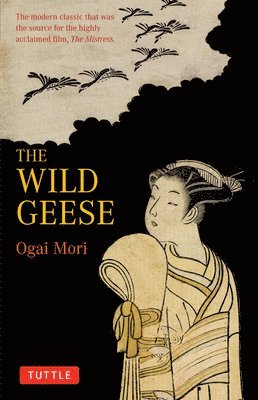
This modern classic, written in 1913, was the source for the highly acclaimed film, The MistressIn The Wild Geese, prominent Japanese novelist Ogai Mori offers a poignant story of unfulfilled love, set against the background of the dizzying social change accompanying the fall of the Meiji regime. The young heroine, Otama, is forced by poverty to become a moneylender''s mistress. She is surrounded by skillfully-drawn characters—her weak-willed father, her virile and calculating lover (and his suspicious wife), and the handsome student who is both the object of her desire and the symbol of her rescue—as well as a colorful procession of Meiji era figures—geisha, students, entertainers, unscrupulous matchmakers, shopkeepers, and greedy landladies.Like those around her, and like the wild geese of the titles, Otama yearns for the freedom of flight. Her dawning consciousness of her predicament brings the novel to a touching climax.
E-bok
Engelska, 2011104 kr
Läs direkt efter köp
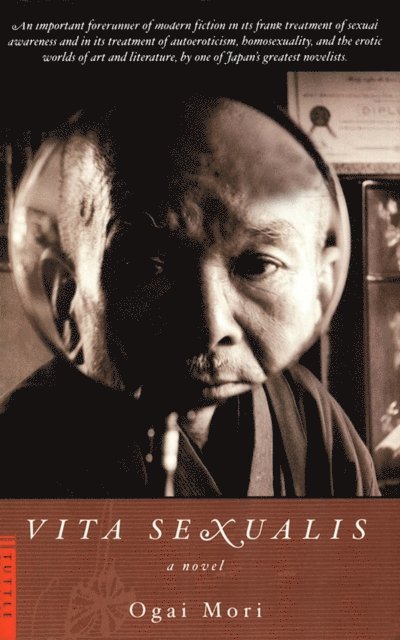
This classic and controversial work of Japanese literature presents a rare look at Meiji-ara Japanese sexuality.Though banned three weeks after its publication in 1909, Vita Sexualis is far more than a prurient erotic novel. The narrator, a professor of philosophy, wrestles with issues of sexual desire, sex education, and the proper place of sensuality. He tells the story of his own journey into sexual awareness, spanning fifteen years, from his first exposure to erotic woodcuts at the age of six, to his first physical response to a woman, and his eventual encounter with a professional courtesan. Beyond being a poignant account of one boy''s coming of age, Vita Sexualis is also an important record of Japan''s moral struggles during the cultural upheaval of the last years of the Meiji era.In response to the publication of Vita Sexualis, Ogai Mori was reprimanded by Japan''s vice-minister of war.
Häftad, Engelska, 2014
212 kr
Skickas inom 3-6 vardagar
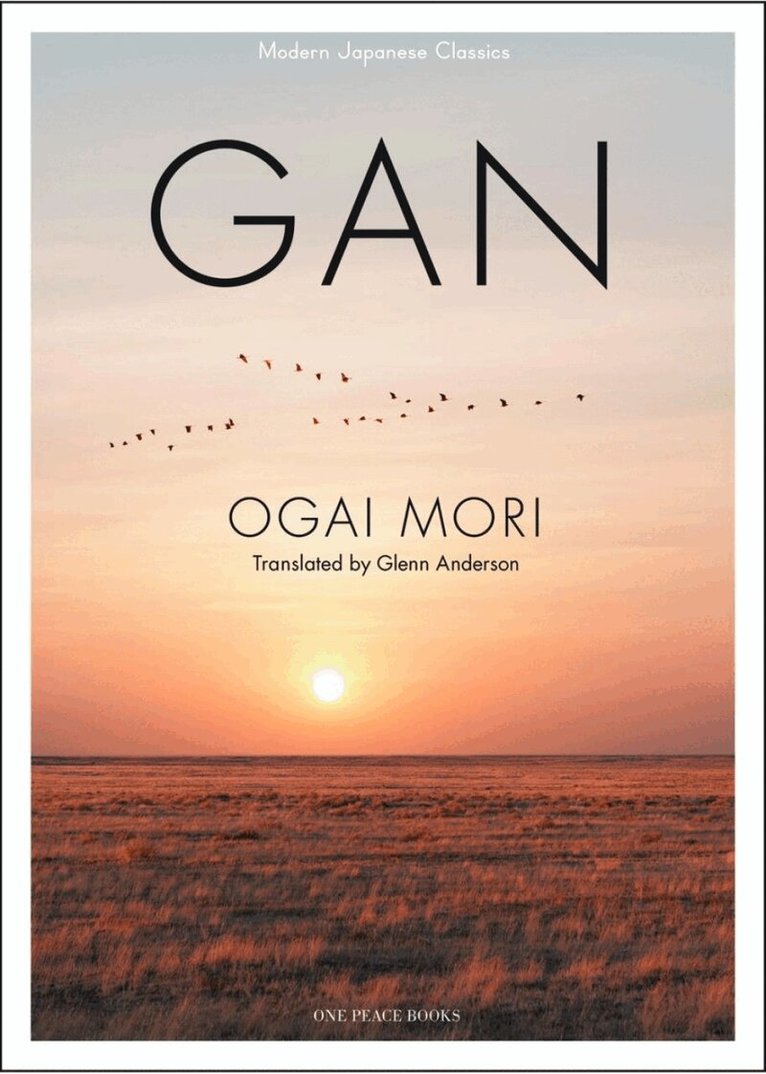
Gan (geese) evokes Meiji-era Tokyo: its alleyways, rivers, mansions, poverty, and occasionally tense class interactions. Okada, a student at the most prestigious university in Japan becomes entangled in the romance of a disenfranchised woman and an ethically suspect merchant. At a time of rapid social change, Mori examines the social and economic pressures that continue to bind it's characters, who yearn for freedom. Circumstance, rigid social structure, and the familial and financial obligations drive the characters forward to Gan's powerful ending. Notable for it's deep exploration of character motivation, as well as its wonderfully elaborate female characters, Gan is an exceptional example of early 20th century Japanese Literature. It looks on a changing world, explores its faults and glimmers of hope, and lingers for a moment, bittersweet, at the thought of it's passing.
Häftad, Tyska, 2019
219 kr
Skickas inom 3-6 vardagar
Häftad, Tyska, 2020
197 kr
Skickas inom 3-6 vardagar
Häftad, Tyska
197 kr
Skickas inom 3-6 vardagar
Häftad, Engelska, 2009
230 kr
Skickas inom 3-6 vardagar
This modern classic, written in 1913, was the source for the highly acclaimed film, The MistressIn The Wild Geese, prominent Japanese novelist Ogai Mori offers a poignant story of unfulfilled love, set against the background of the dizzying social change accompanying the fall of the Meiji regime. The young heroine, Otama, is forced by poverty to become a moneylender's mistress. She is surrounded by skillfully-drawn characters—her weak-willed father, her virile and calculating lover (and his suspicious wife), and the handsome student who is both the object of her desire and the symbol of her rescue—as well as a colorful procession of Meiji era figures—geisha, students, entertainers, unscrupulous matchmakers, shopkeepers, and greedy landladies.Like those around her, and like the wild geese of the titles, Otama yearns for the freedom of flight. Her dawning consciousness of her predicament brings the novel to a touching climax.
E-bok
Spanska, 201468 kr
Läs direkt efter köp
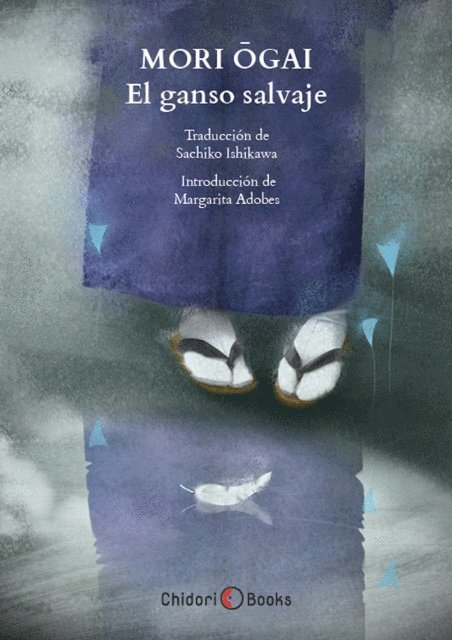
La bella Otama se ve obligada a convertirse en la mantenida de un prestamista para proporcionar sustento a su anciano padre. La monotonía y resignación con que la muchacha deja pasar los días se ve rota por el cortés saludo que con su sombrero le dedica el apuesto Okada en sus habituales paseos… hasta que un insospechado incidente propicia que entre ambos se intercambien las primeras palabras. Dos vidas que se cruzan sin apenas rozarse, dos destinos que se truncan cuando la fatalidad, materializada en un ganso salvaje, hace acto de presencia. Una elegante historia que nos retrata con exquisitez la desventura de un amor apasionado.
E-bok
Spanska, 2020113 kr
Läs direkt efter köp
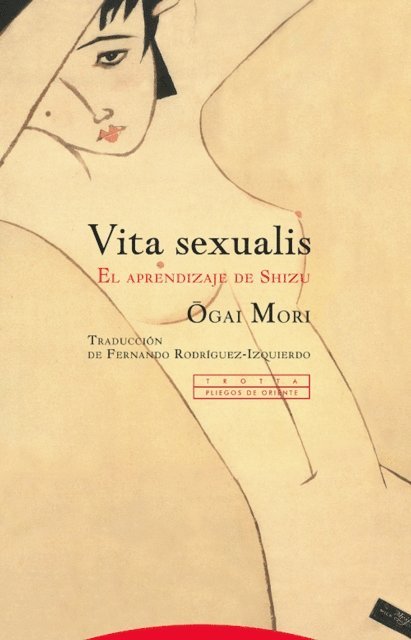
"Vita sexualis" es una historia tremendamente tierna, llena de toques de humor, que narra la germinación del deseo sexual en su protagonista, Shizuka Kanai, entre los seis y los veinticinco años de edad. A través de su figura, en más de un aspecto encarnación del autor, el lector descubre el mundo de las casas de té, las "geishas" y las costumbres del "o-miai" (los encuentros arreglados para la boda).Ōgai Mori fue el primer escritor moderno que trató, en el mundo de las letras japonesas, el problema del sexo en el desarrollo de la identidad humana con conciencia de investigador y, a la vez, con altura literaria. Supo reflejar las contradicciones internas de la sociedad japonesa de su época, atrapada en el legado de un pasado anclado en la tradición y expuesta a la llegada de las nuevas ideas de Occidente.Censurada y retirada de las librerías por los considerados como efectos dañinos en la moral pública, "Vita sexualis" es una plasmación de la crítica de Ōgai Mori al movimiento naturalista de la literatura japonesa y su entorno.- "De estilo cercano, equilibrado y, a la vez delicadamente romántico, la obra de Mori Ogai es una de las cumbres de la literatura japonesa". (Koratai)- "Una novela llena de preciados pasajes descriptivos del Tokio de la era Meiji". (Japan Times)- "El primer escritor moderno que supo cuestionar, en el mundo de las letras japonesas, el problema del sexo en el desarrollo de la identidad humana, con una conciencia objetiva y, a la vez, a un nivel literario sublime". (Kayoko Takagi)