Oleg N. Temkin - Böcker
Visar alla böcker från författaren Oleg N. Temkin. Handla med fri frakt och snabb leverans.
3 produkter
3 produkter
904 kr
Skickas inom 10-15 vardagar
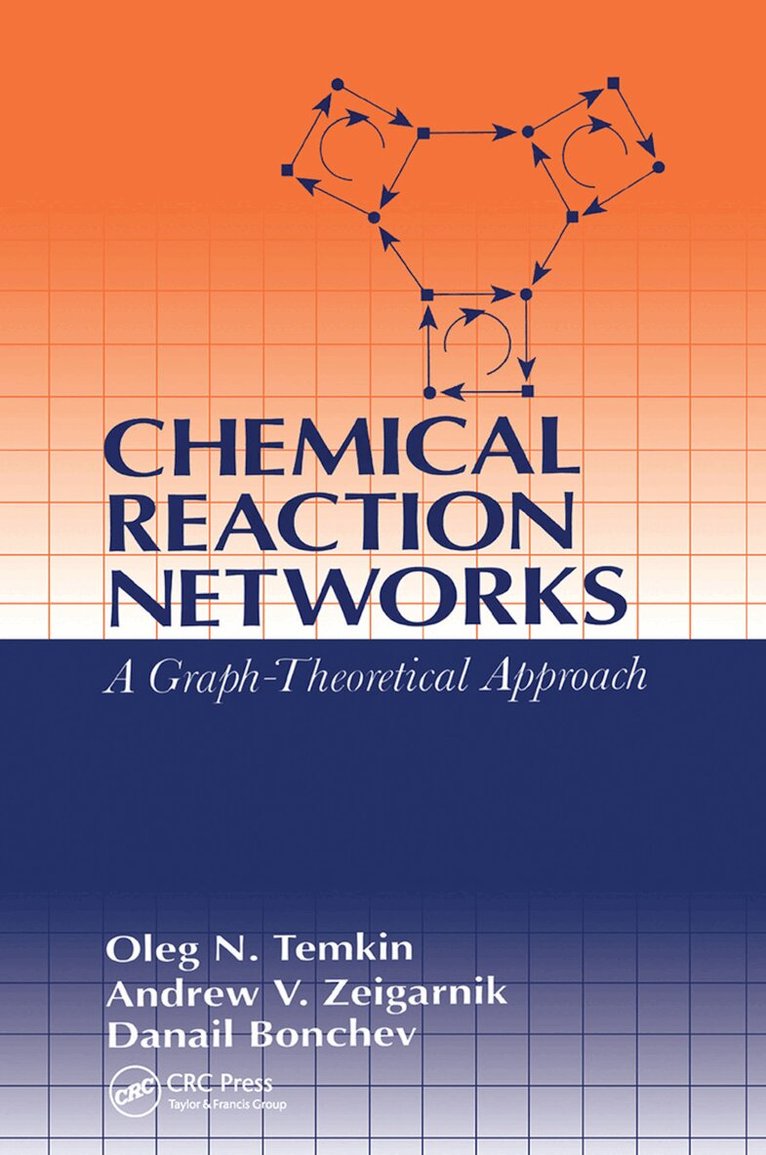
Over the last decade, increased attention to reaction dynamics, combined with the intensive application of computers in chemical studies, mathematical modeling of chemical processes, and mechanistic studies has brought graph theory to the forefront of research. It offers an advanced and powerful formalism for the description of chemical reactions and their intrinsic reaction mechanisms. Chemical Reaction Networks: A Graph-Theoretical Approach elegantly reviews and expands upon graph theory as applied to mechanistic theory, chemical kinetics, and catalysis.The authors explore various graph-theoretical approaches to canonical representation, numbering, and coding of elementary steps and chemical reaction mechanisms, the analysis of their topological structure, the complexity estimation, and classification of reaction mechanisms. They discuss topologically distinctive features of multiroute catalytic and noncatalytic and chain reactions involving metal complexes.With it's careful balance of clear language and mathematical rigor, the presentation of the authors' significant original work, and emphasis on practical applications and examples, Chemical Reaction Networks: A Graph Theoretical Approach is both an outstanding reference and valuable tool for chemical research.
3 923 kr
Skickas inom 11-20 vardagar
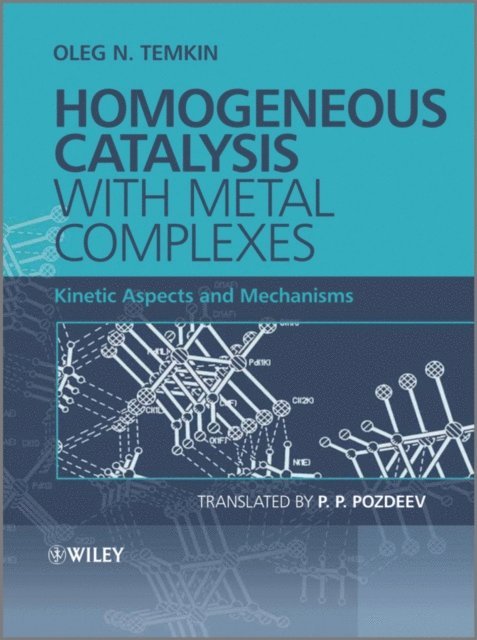
Homogeneous catalysis by soluble metal complexes has gained considerable attention due to its unique applications and features such as high activity and selectivity. Catalysis of this type has demonstrated impressive achievements in synthetic organic chemistry and commercial chemical technology. Homogeneous Catalysis with Metal Complexes: Kinetic Aspects and Mechanisms presents a comprehensive summary of the results obtained over the last sixty years in the field of the kinetics and mechanisms of organic and inorganic reactions catalyzed with metal complexes.Topics covered include: Specific features of catalytic reaction kinetics in the presence of various mono- and polynuclear metal complexes and nanoclustersMulti-route mechanisms and the methods of their identification, as well as approaches to the kinetics of polyfunctional catalytic systemsPrinciples and features of the dynamic behavior of nonlinear kinetic modelsThe potential, achievements, and limitations of applying the kinetic approach to the identification of complex reaction mechanismsThe development of a rational strategy for designing kinetic modelsThe kinetic models and mechanisms of many homogeneous catalytic processes employed in synthetic and commercial chemistryWritten for specialists in the field of kinetics and catalysis, this book is also relevant for post-graduates engaged in the study
3 200 kr
Skickas inom 10-15 vardagar
Over the last decade, increased attention to reaction dynamics, combined with the intensive application of computers in chemical studies, mathematical modeling of chemical processes, and mechanistic studies has brought graph theory to the forefront of research. It offers an advanced and powerful formalism for the description of chemical reactions and their intrinsic reaction mechanisms. Chemical Reaction Networks: A Graph-Theoretical Approach elegantly reviews and expands upon graph theory as applied to mechanistic theory, chemical kinetics, and catalysis.The authors explore various graph-theoretical approaches to canonical representation, numbering, and coding of elementary steps and chemical reaction mechanisms, the analysis of their topological structure, the complexity estimation, and classification of reaction mechanisms. They discuss topologically distinctive features of multiroute catalytic and noncatalytic and chain reactions involving metal complexes.With it's careful balance of clear language and mathematical rigor, the presentation of the authors' significant original work, and emphasis on practical applications and examples, Chemical Reaction Networks: A Graph Theoretical Approach is both an outstanding reference and valuable tool for chemical research.