Olga Baysha – författare
Visar alla böcker från författaren Olga Baysha. Handla med fri frakt och snabb leverans.
11 produkter
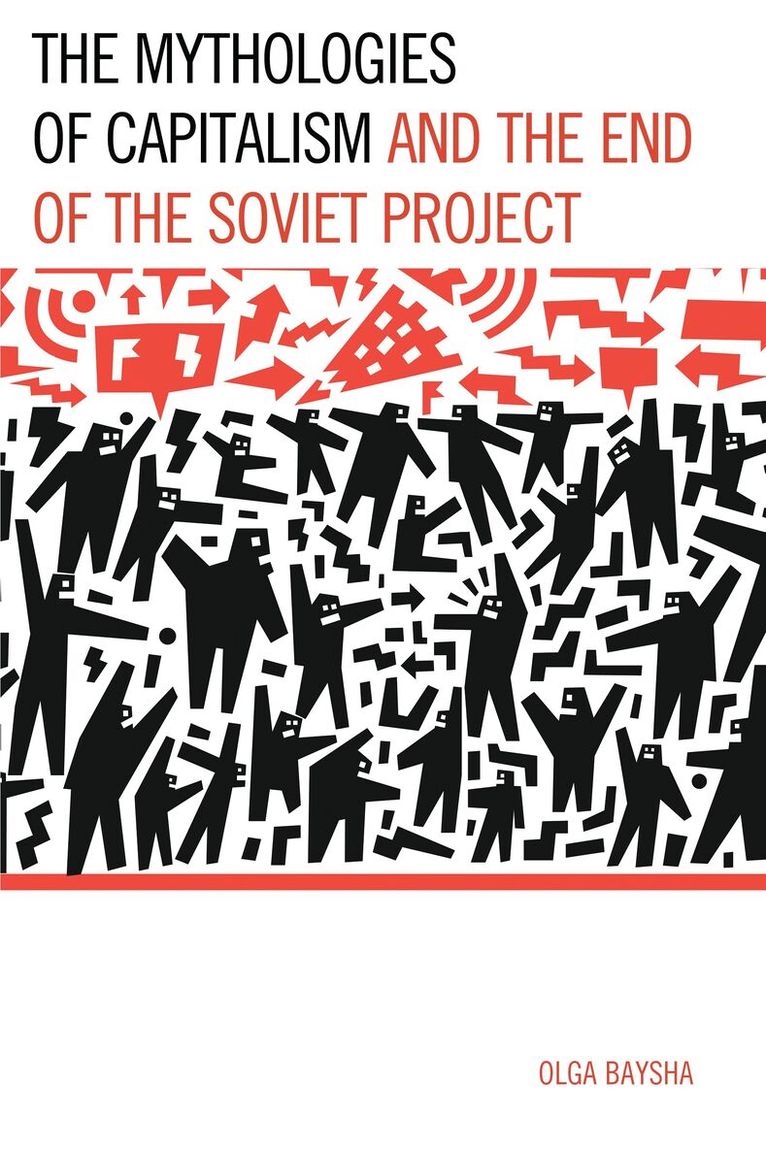
Mythologies of Capitalism and the End of the Soviet Project
Av Olga Baysha
Inbunden, 2014
1330 kr
Lägg i varukorg
The purpose of The Mythologies of Capitalism and the End of the Soviet Project is to show that in order to understand popular disillusionment with democratization, liberalization, and other transformations associated with the attempts of non-Western societies to appropriate the ideas of Western …
Democracy, Populism, and Neoliberalism in Ukraine
On the Fringes of the Virtual and the Real
Av Olga Baysha
E-bok, 2021
373 kr
Lägg i varukorg
This book explores the reasons behind the unexpected rise to power of Ukraine’s President Volodymyr Zelensky, a former comedian with no political background, and offers an in-depth analysis of the populist messages he delivered to the Ukrainian people via his TV show. Taking a discourse analysis …
Democracy, Populism, and Neoliberalism in Ukraine
On the Fringes of the Virtual and the Real
Av Olga Baysha
E-bok, 2021
373 kr
Lägg i varukorg
This book explores the reasons behind the unexpected rise to power of Ukraine’s President Volodymyr Zelensky, a former comedian with no political background, and offers an in-depth analysis of the populist messages he delivered to the Ukrainian people via his TV show. Taking a discourse analysis …
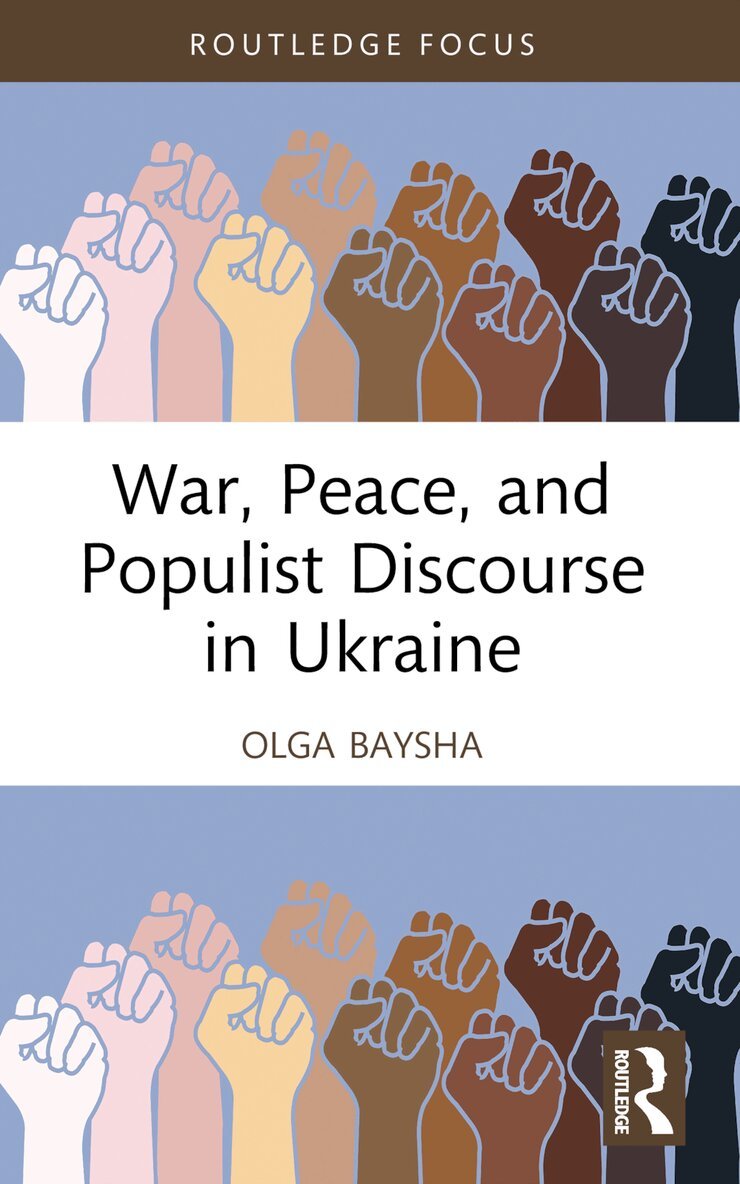
War, Peace, and Populist Discourse in Ukraine
Av Olga Baysha
E-bok, 2023
373 kr
Lägg i varukorg
This book explores the detrimental effects on global peace of populism’s tendency to present complex social issues in simplistic "good versus evil" terms. Analyzing the civilizational discourse of Ukrainian President Volodymyr Zelensky with respect to the ongoing war between Russia and Ukraine—with …
War, Peace, and Populist Discourse in Ukraine
Av Olga Baysha
E-bok, 2023
373 kr
Lägg i varukorg
This book explores the detrimental effects on global peace of populism’s tendency to present complex social issues in simplistic "good versus evil" terms. Analyzing the civilizational discourse of Ukrainian President Volodymyr Zelensky with respect to the ongoing war between Russia and Ukraine—with …
Democracy, Populism, and Neoliberalism in Ukraine
On the Fringes of the Virtual and the Real
Av Olga Baysha
Inbunden, 2021
997 kr
Lägg i varukorg
This book explores the reasons behind the unexpected rise to power of Ukraine’s President Volodymyr Zelensky, a former comedian with no political background, and offers an in-depth analysis of the populist messages he delivered to the Ukrainian people via his TV show.Taking a discourse analysis …
Democracy, Populism, and Neoliberalism in Ukraine
On the Fringes of the Virtual and the Real
Av Olga Baysha
Häftad, 2023
327 kr
Lägg i varukorg
This book explores the reasons behind the unexpected rise to power of Ukraine’s President Volodymyr Zelensky, a former comedian with no political background, and offers an in-depth analysis of the populist messages he delivered to the Ukrainian people via his TV show.Taking a discourse analysis …
War, Peace, and Populist Discourse in Ukraine
Av Olga Baysha
Inbunden, 2023
997 kr
Lägg i varukorg
This book explores the detrimental effects on global peace of populism’s tendency to present complex social issues in simplistic "good versus evil" terms. Analyzing the civilizational discourse of Ukrainian President Volodymyr Zelensky with respect to the ongoing war between Russia and Ukraine—with …
War, Peace, and Populist Discourse in Ukraine
Av Olga Baysha
Häftad, 2024
327 kr
Lägg i varukorg
This book explores the detrimental effects on global peace of populism’s tendency to present complex social issues in simplistic "good versus evil" terms. Analyzing the civilizational discourse of Ukrainian President Volodymyr Zelensky with respect to the ongoing war between Russia and Ukraine—with …
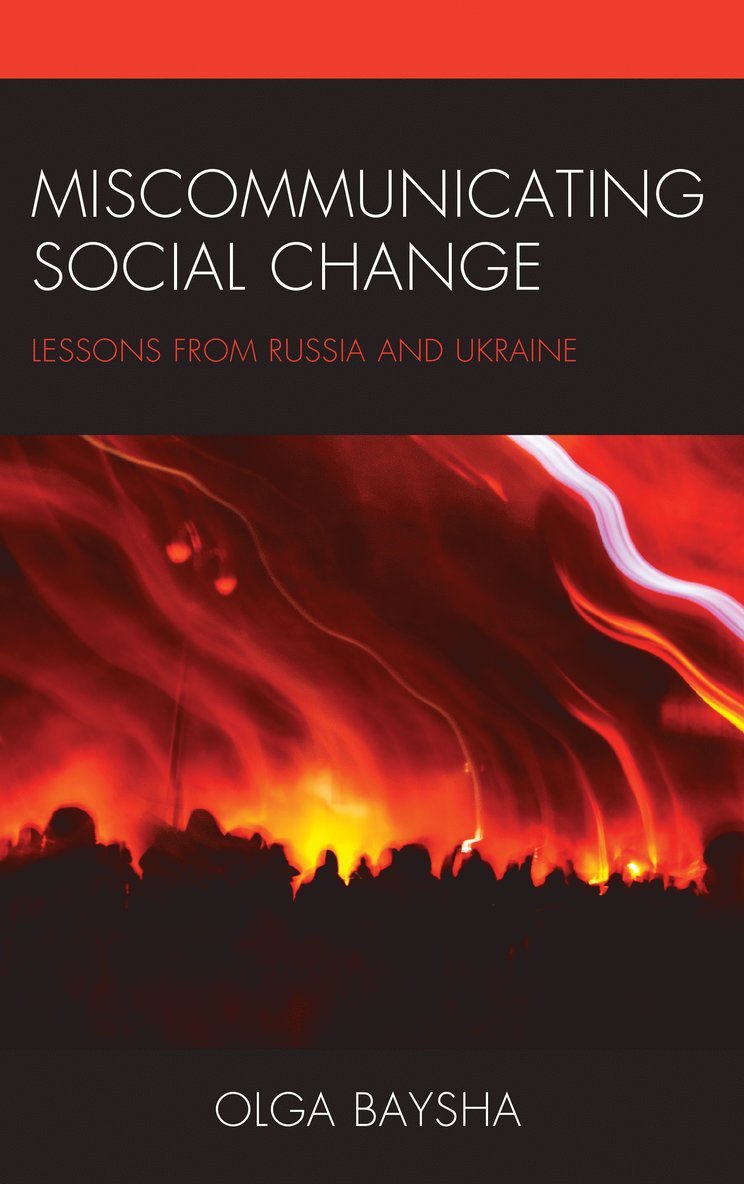
Miscommunicating Social Change
Lessons from Russia and Ukraine
Av Olga Baysha
Inbunden, 2018
1264 kr
Lägg i varukorg
This open access title analyzes the discourses of three social movements and the alternative media associated with them, revealing that the Enlightenment narrative, though widely critiqued in academia, remains the dominant way of conceptualizing social change in the name of democratization in the …
Kriegsfolgen
Wie der Kampf um die Ukraine die Welt verändert
Av Florian Warweg, Peter Wahl m. fl.
E-bok, 2023
212 kr
Lägg i varukorg
Die blau-gelbe Fahne steht für Freiheit, das ominöse russische Zeichen "Z" für Unterdrückung. So einfach ist der Krieg um die Ukraine nicht erklärbar, obwohl sich unter europäischen Staatskanzleien und Leitmedien nur diese eine Erzählung festgesetzt hat. Der Band "Kriegsfolgen" will jenseits von …