Olga Bobrowska – författare
Visar alla böcker från författaren Olga Bobrowska. Handla med fri frakt och snabb leverans.
8 produkter
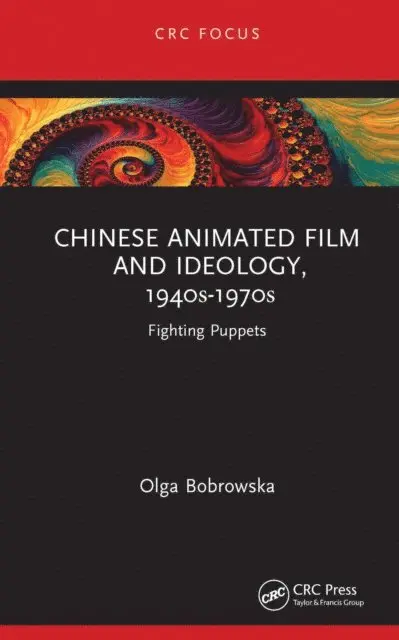
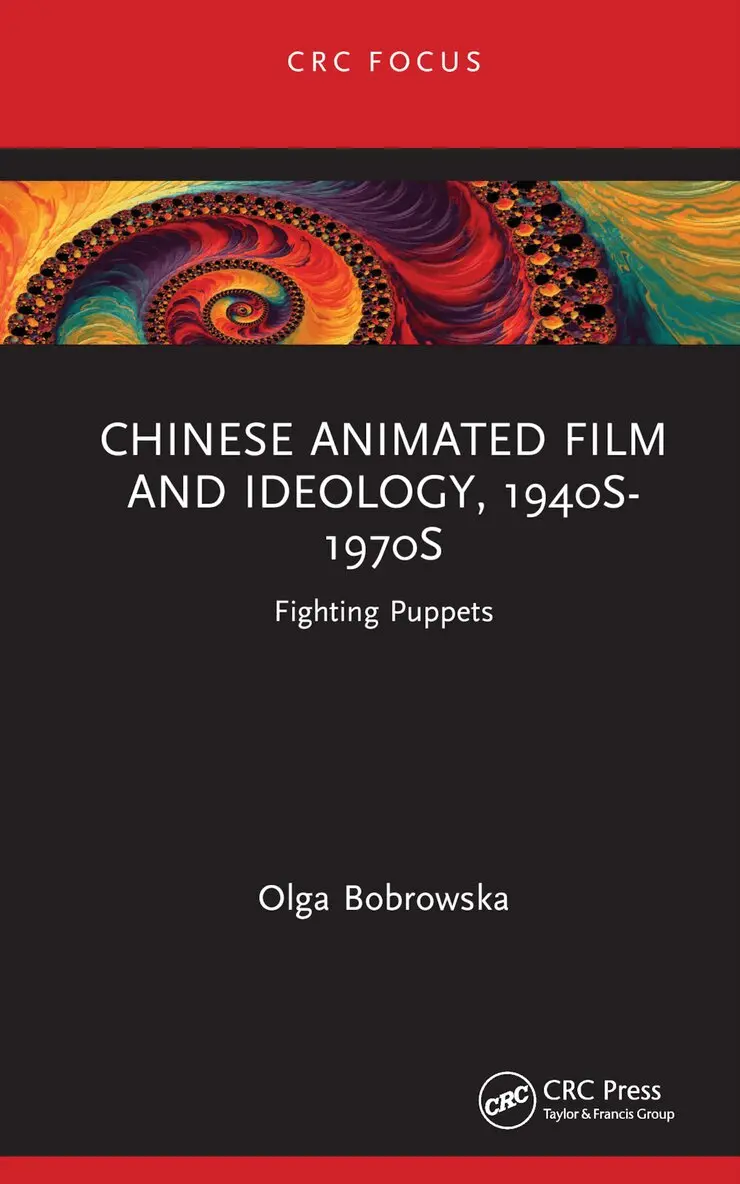
Chinese Animated Film and Ideology, 1940s-1970s
Fighting Puppets
E-bok, 2022
375 kr
Lägg i varukorg
This book examines animated propaganda produced in mainland China from the 1940s to the 1970s. The analyses of four puppet films demonstrate how animation and Maoist doctrine became tightly but dynamically entangled. The book firstly contextualizes the production conditions and ideological contents …
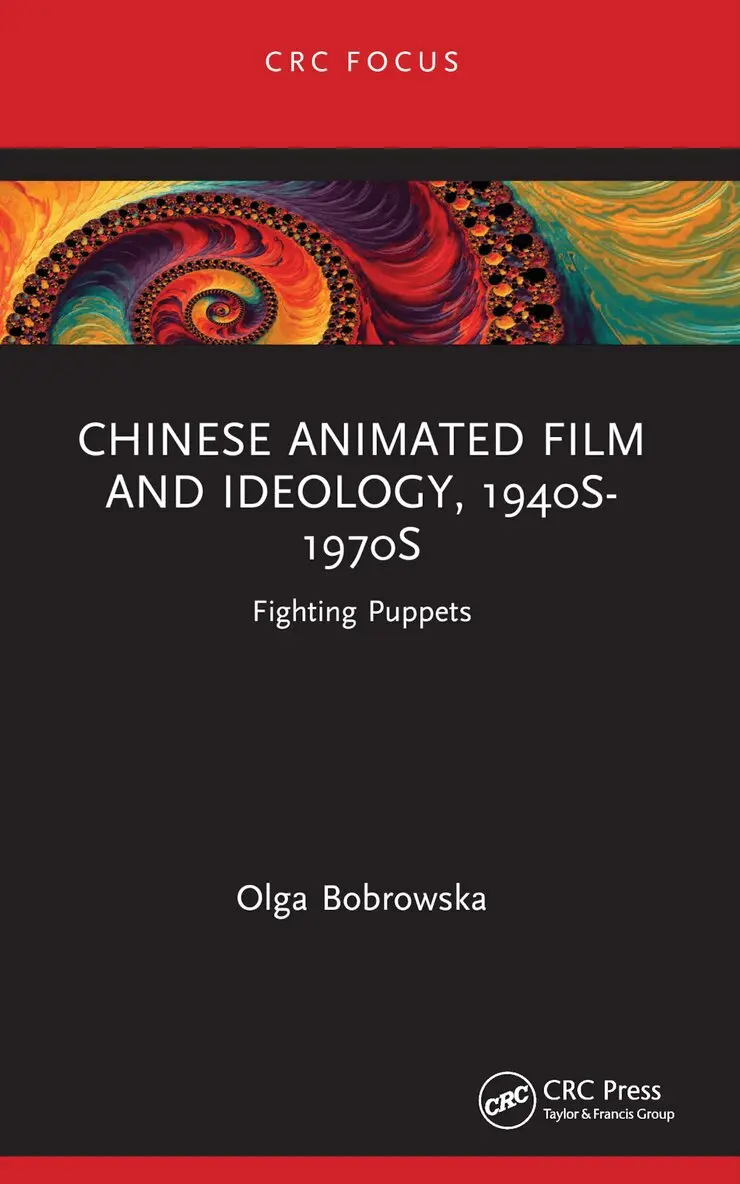
Chinese Animated Film and Ideology, 1940s-1970s
Fighting Puppets
E-bok, 2022
375 kr
Lägg i varukorg
This book examines animated propaganda produced in mainland China from the 1940s to the 1970s. The analyses of four puppet films demonstrate how animation and Maoist doctrine became tightly but dynamically entangled. The book firstly contextualizes the production conditions and ideological contents …
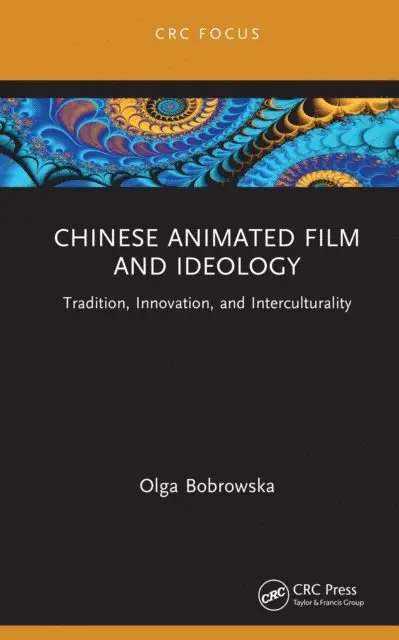
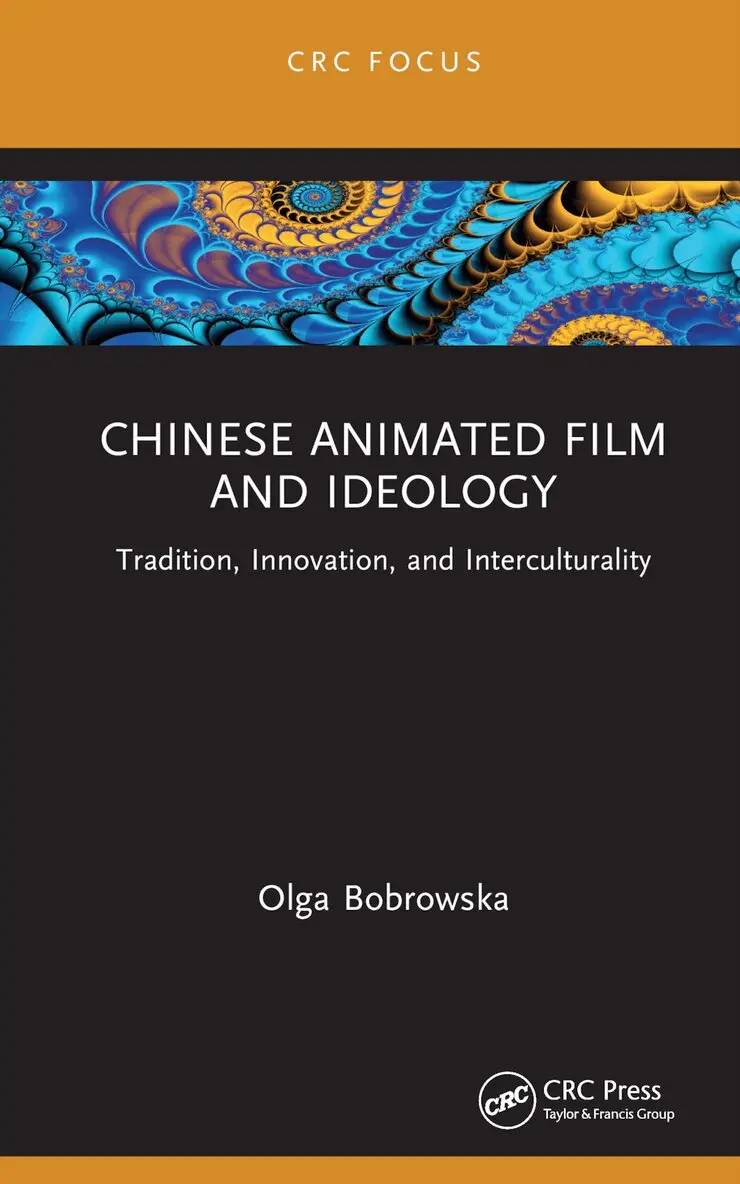
Chinese Animated Film and Ideology
Tradition, Innovation, and Interculturality
E-bok, 2023
393 kr
Lägg i varukorg
This book presents a contextualized overview of the history of Chinese animated film, pointing out the most influential self-definitions of Chinese culture employed in animation art of Mao Zedong’s rule (1949–1976) but largely focusing on the representation strategies created in the times of …
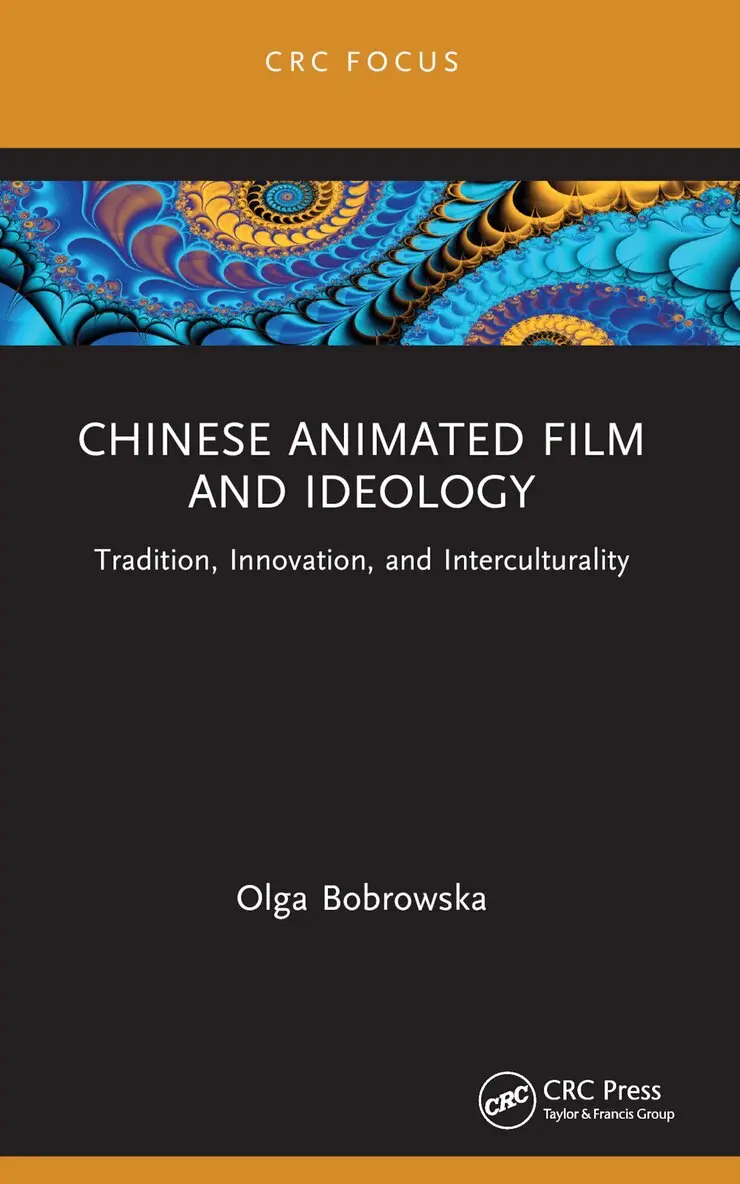
Chinese Animated Film and Ideology
Tradition, Innovation, and Interculturality
E-bok, 2023
381 kr
Lägg i varukorg
This book presents a contextualized overview of the history of Chinese animated film, pointing out the most influential self-definitions of Chinese culture employed in animation art of Mao Zedong’s rule (1949–1976) but largely focusing on the representation strategies created in the times of …
Chinese Animated Film and Ideology, 1940s-1970s
Fighting Puppets
Inbunden, 2022
637 kr
Lägg i varukorg
This book examines animated propaganda produced in mainland China from the 1940s to the 1970s. The analyses of four puppet films demonstrate how animation and Maoist doctrine became tightly but dynamically entangled.The book firstly contextualizes the production conditions and ideological contents …
Chinese Animated Film and Ideology, 1940s-1970s
Fighting Puppets
Häftad, 2024
322 kr
Lägg i varukorg
This book examines animated propaganda produced in mainland China from the 1940s to the 1970s. The analyses of four puppet films demonstrate how animation and Maoist doctrine became tightly but dynamically entangled.The book firstly contextualizes the production conditions and ideological contents …
Chinese Animated Film and Ideology
Tradition, Innovation, and Interculturality
Inbunden, 2023
888 kr
Lägg i varukorg
This book presents a contextualized overview of the history of Chinese animated film, pointing out the most influential self-definitions of Chinese culture employed in animation art of Mao Zedong’s rule (1949–1976) but largely focusing on the representation strategies created in the times of …
Chinese Animated Film and Ideology
Tradition, Innovation, and Interculturality
Häftad, 2025
337 kr
Lägg i varukorg
This book presents a contextualized overview of the history of Chinese animated film, pointing out the most influential self-definitions of Chinese culture employed in animation art of Mao Zedong’s rule (1949–1976) but largely focusing on the representation strategies created in the times of …