Olga Sparschuh – författare
Visar alla böcker från författaren Olga Sparschuh. Handla med fri frakt och snabb leverans.
3 produkter
3 produkter
Inbunden, Engelska, 2023
1 966 kr
Skickas inom 10-15 vardagar
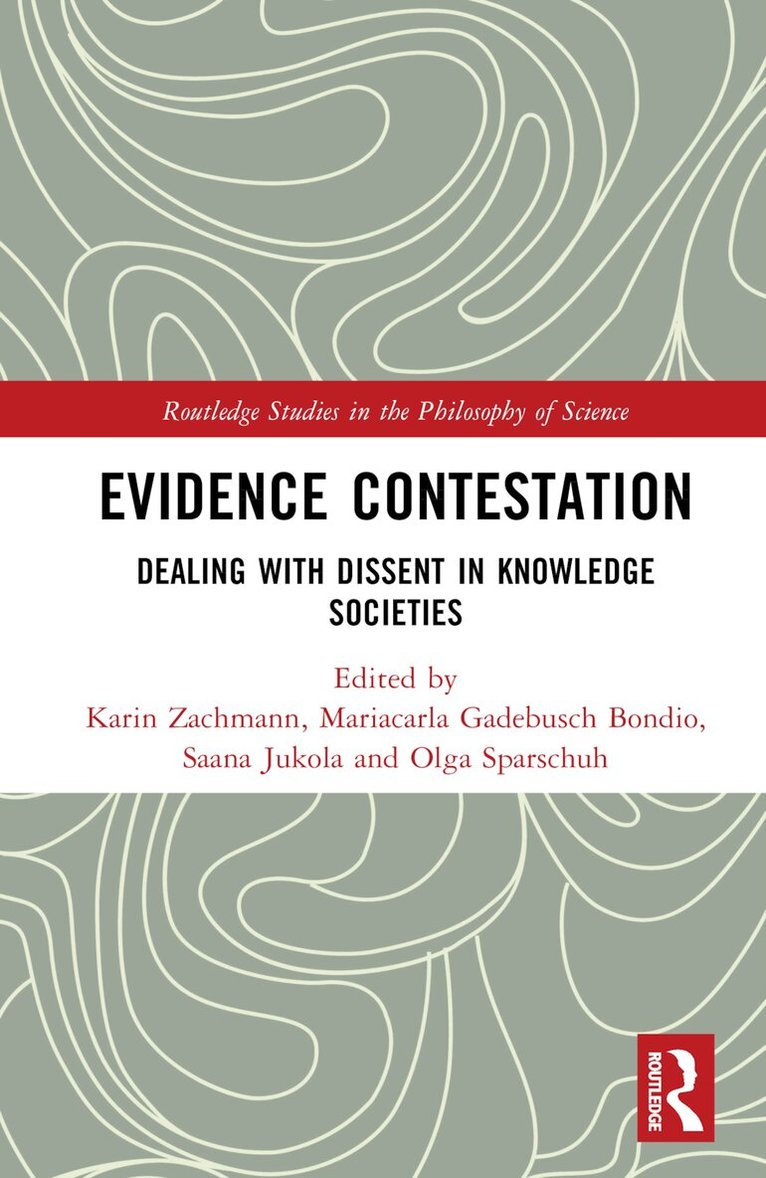
This book examines the practices of contesting evidence in democratically constituted knowledge societies. It provides a multifaceted view of the processes and conditions of evidence criticism and how they determine the dynamics of de- and re-stabilization of evidence.Evidence is an essential resource for establishing claims of validity, resolving conflicts, and legitimizing decisions. In recent times, however, evidence is being contested with increasing frequency. Such contestations vary in form and severity – from questioning the interpretation of data or the methodological soundness of studies to accusations of evidence fabrication. The contributors to this volume explore which actors, for what reasons and to what effect, question evidence in fields such as the biological, environmental and health sciences. In addition to actors inside academia, they examine the roles of various other players, including citizen scientists, counter-experts, journalists, patients, consumers and activists. The contributors tackle questions of how disagreements are framed and how they are used to promote vested interests. By drawing on methodological and theoretical approaches from a wide range of fields, this book provides a much-needed perspective on how evidence criticism influences the development and state of knowledge societies and their political condition.Evidence Contestation will appeal to scholars and advanced students working in philosophy of science, epistemology, bioethics, science and technology studies, the history of science and technology and science communication.
Häftad, Engelska, 2024
564 kr
Skickas inom 10-15 vardagar
This book examines the practices of contesting evidence in democratically constituted knowledge societies. It provides a multifaceted view of the processes and conditions of evidence criticism and how they determine the dynamics of de- and re-stabilization of evidence.Evidence is an essential resource for establishing claims of validity, resolving conflicts, and legitimizing decisions. In recent times, however, evidence is being contested with increasing frequency. Such contestations vary in form and severity – from questioning the interpretation of data or the methodological soundness of studies to accusations of evidence fabrication. The contributors to this volume explore which actors, for what reasons and to what effect, question evidence in fields such as the biological, environmental and health sciences. In addition to actors inside academia, they examine the roles of various other players, including citizen scientists, counter-experts, journalists, patients, consumers and activists. The contributors tackle questions of how disagreements are framed and how they are used to promote vested interests. By drawing on methodological and theoretical approaches from a wide range of fields, this book provides a much-needed perspective on how evidence criticism influences the development and state of knowledge societies and their political condition.Evidence Contestation will appeal to scholars and advanced students working in philosophy of science, epistemology, bioethics, science and technology studies, the history of science and technology and science communication.
E-bok
PDF, Tyska, 2021657 kr
Läs direkt efter köp
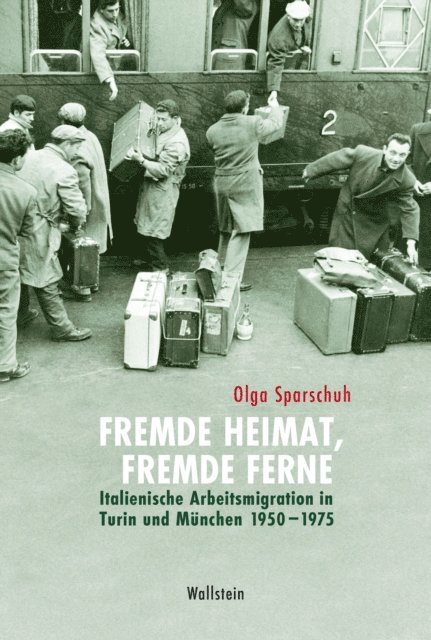
Eine europäische Geschichte der italienischen Arbeitsmigration in der Zeit des Booms.In den 1950er bis 1970er Jahren suchten Millionen von Migranten aus dem Mezzogiorno, dem Süden Italiens, Arbeit in den Boomstädten Norditaliens und der Bundesrepublik. Während die Arbeitsmigranten innerhalb Italiens wegen der schwachen Nationalisierung markante soziale und kulturelle Grenzen überquerten, erleichterten der deutsch-italienische Anwerbevertrag von 1955 und die Einführung der Freizügigkeit ab 1961 den Grenzübertritt innerhalb der Europäischen Wirtschaftsgemeinschaft. Waren den Migranten die Industriestädte Turin und München im fernen Norden Europas daher gleich fremd? Und waren sie dort auf ähnliche Art "andere"?Olga Sparschuh zeichnet mit Blick auf die Lebensbereiche Arbeit, Unterkunft und Freizeit ein 24 Stunden-Panorama der Migrationserfahrung in beiden Städten. Auf breiter Quellen- und Materialgrundlage aus italienischen und deutschen Archiven zeigt die Autorin dieses verflochtenen Vergleichs, dass die Lebensrealität der "meridionali" in den europäischen Industriestädten nahezu identisch war, obwohl sie im einen Fall In- und im anderen Fall Ausländer waren, und erzählt beide Wanderungen als eine europäische Arbeitsmigration.