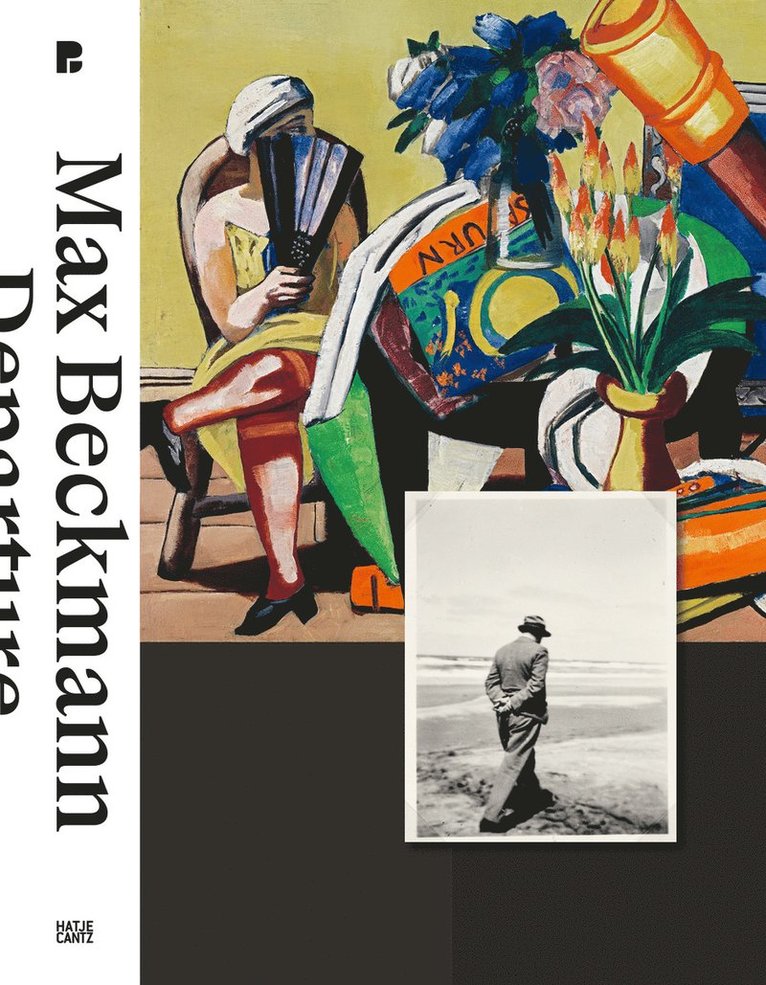
Travel is a fundamental experience of human existence. For Max Beckmann it was of existential importance both in a symbolic, but also in a deeply personal sense. In the 1920s, he regularly traveled to the noble health resorts and palace hotels on the Dutch, Italian, and French coasts. His defamation as a "degenerate" artist by the Nazi regime, however, forced him to retreat, first from Frankfurt to Berlin and subsequently into exile in Amsterdam. His emigration to the United States marked the culmination of a life entwined with the longing to travel as well as uprooting, transit and exile. Max Beckmann. DEPARTURE assembles an outstanding selection of artworks and initiates a dialogue with hitherto unseen objects and materials from the Max Beckmann Archive. It shows Beckmann’s relationship to film and literature as a producer of images of aspirations and longing resonating with notions of identity and home.
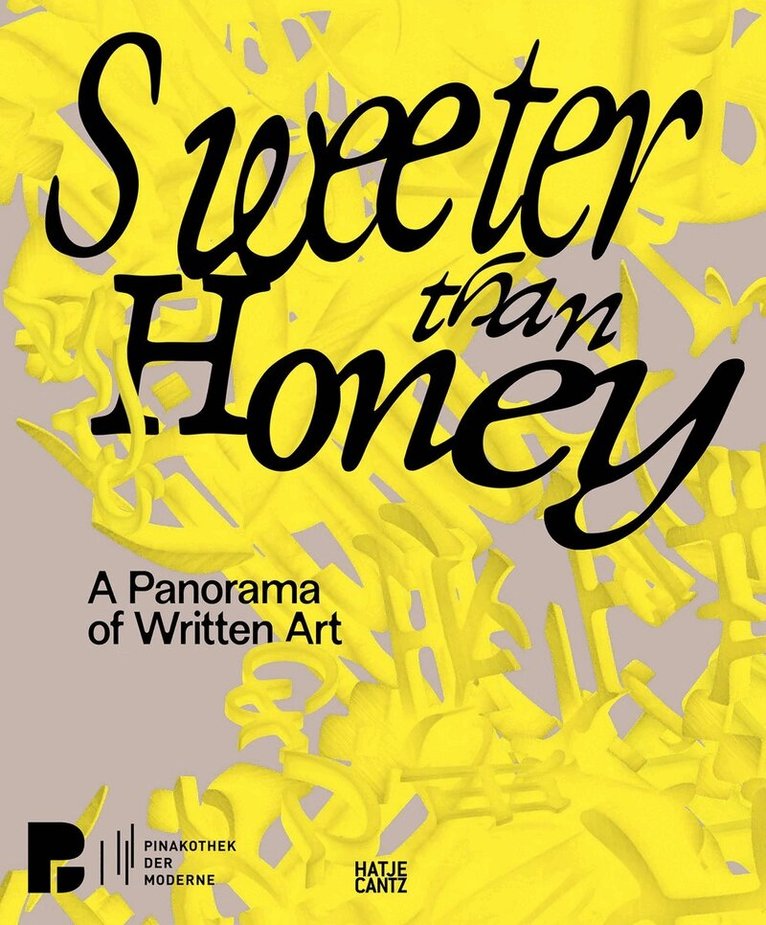
The Written Art Collection is dedicated to artistic positions that combine language, writing and image. Starting with the Art Informel of the 1950s and gestural abstraction, the more than 100 works on display demonstrate the continuity of the significance of written art across generations and cultures: Artists invent imaginative alphabets and sign languages, write poems, quote from literature, translate thoughts and conversations into spray-painted, graphic, gestural or embroidered messages. The catalogue is published on the occasion of the special exhibition of the same name and explores the phenomenon of writing and images with contributions on the history of written art, its political potential and current perspectives on calligraphy and typography.
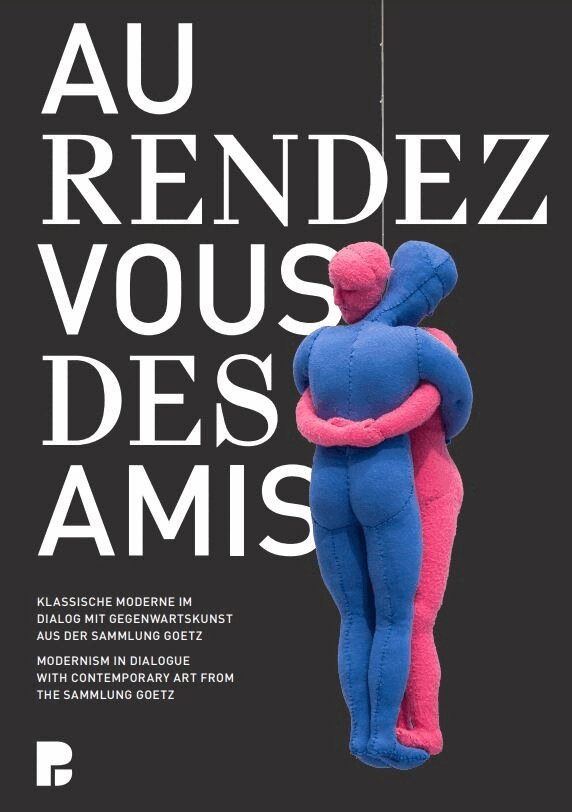
Classical Modernism is an inexhaustible source of inspiration for the generations of artists that followed. This catalogue sheds new light on the relationship between modern and contemporary art across the generations and across the genres, through the encounter between the artists featured in two outstanding collections.In the early twentieth century the avant-garde prepared the way for a free treatment of colour, line and space and created new community models. Many contemporary artists have studied the legacy of modernism and pose new questions concerning the treatment of body, gender and identity. The new presentation of the modern art collection in the Pinakothek der Moderne shows these new ideas in cooperation with the Sammlung Goetz. Works of art from both collections as well as the Stiftung Ann und Jürgen Wilde enter into a new kind of dialogue.Artists: Francis Bacon, Max Beckmann, Huma Bhabha, Louise Bourgeois, Max Ernst, Peter Fischli and David Weiss, Rodney Graham, Florence Henri, Wassily Kandinsky, Ernst Ludwig Kirchner, Kathe Kollwitz, Jonathan Lasker, Sarah Lucas, Franz Marc, Henri Matisse, Paulina Olowska, Pablo Picasso, Thomas Schütte, Kiki Smith and Wolfgang Tillmans et. al.
An air of confidence and vibrancy, but also vulnerability and fragility surround the works of the Iranian artist, photographer, and filmmaker Shirin Neshat (b. Qazvin, 1957; lives and works in New York). Central themes in Neshat’s art are identity, origin, and power structures. Her works are defined by a melding and broadening of the rich visual traditions of Persian and Western art. The US-based artist’s work is now the subject of the museum’s first presentation in association with the Written Art Collection. Neshat’s most recent work, Land of Dreams (2019), revolves around Persian calligraphy and Western canon of portraiture and combines for the fist time the media of photography and video in a single work. Combining documentary and fictional elements, it scrutinizes the American dream and its flipsides. The artist conducted interviews with the portrayed, asking them about their dreams, and then integrated summaries in Persian into the photographs together with traditional visual motifs. Interweaving writing, gestural expression, and formal variety achieves a rhythmical poetic density as it gathers individual narratives that reflect universal human experiences.