Oliver Olsson – författare
Visar alla böcker från författaren Oliver Olsson. Handla med fri frakt och snabb leverans.
2 produkter
2 produkter
1 509 kr
Skickas
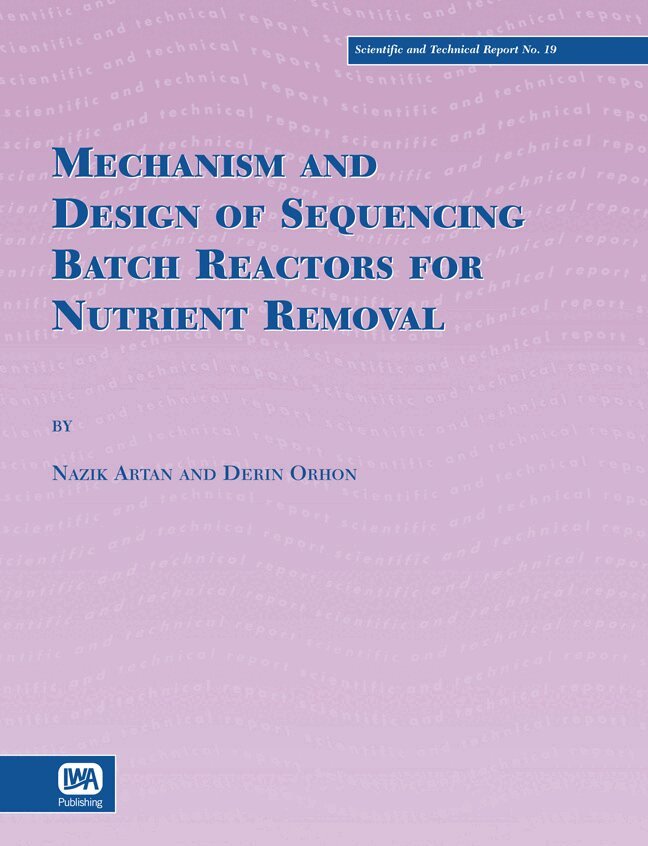
The sequencing batch reactor (SBR) is perhaps the most promising and viable of the proposed activated sludge modifications today for the removal of organic carbon and nutrients. In a relatively short period, it has become increasingly popular for the treatment of domestic and industrial wastewaters, as an effective biological treatment system due to its simplicity and flexibility of operation. Mechanism and Design of Sequencing Batch Reactors for Nutrient Removal has been prepared with the main objective to provide a unified design approach for SBR systems, primarily based on relevant process stoichiometry. Specific emphasis has been placed upon the fact that such a unified design approach is also by nature the determining factor for the selection of the most appropriate cyclic operation scheme, the sequence of necessary phases and filling patterns for the particular application. The proposed basis for design is developed and presented in a stepwise approach to cover both organic carbon and nutrient removal, domestic and industrial wastewaters, strong and specific wastes. The merits of model simulation as an integral complement of process design, along with performance evaluation of SBR models are also emphasized. Scientific and Technical Report No. 19
1 509 kr
Tillfälligt slut
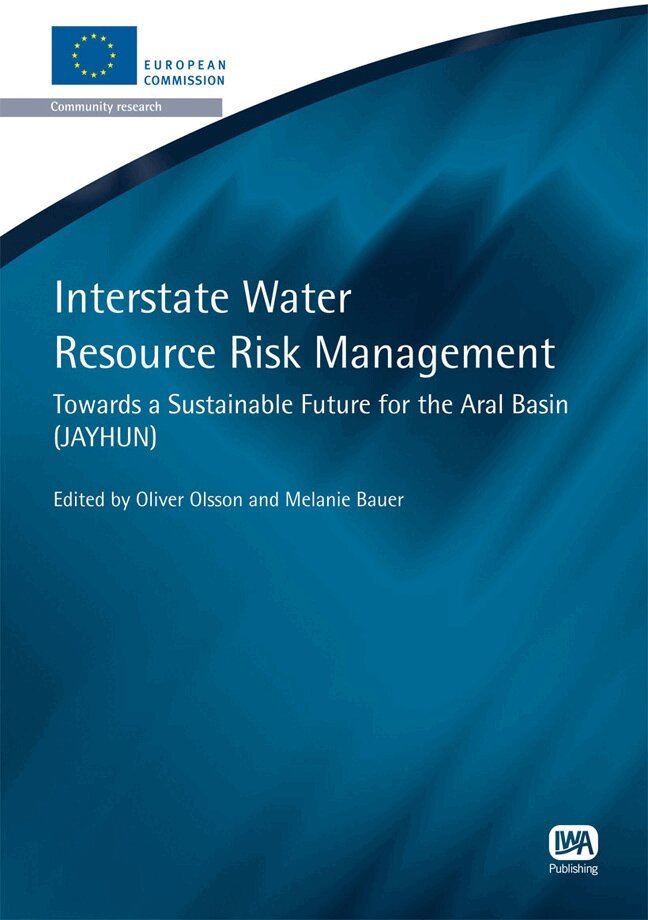
This book (the research outcome of the EU-INCO FP6 research project Jayhun: Interstate Water Resource Risk Management: Towards a Sustainable Future for the AralBasin) focuses on and discusses the results of research done on the risk assessment levels associated with relevant regional variables in the Aral Basin and develops a strategy for an improved management of the region’s water resources. The book provides current and reliable information on the rate of glacial retreat in Central Asian and the implications for future water resources in the region. The impact of global changes on annual precipitation is assessed. The rates of reservoir siltation are established by hydrographic surveys, and analyses of wastage and effectiveness of water usage in the large irrigation massifs are conducted. Water resources models are used to analyse existing and newly generated data. These are calibrated with existing data and subsequently used for simulating various possible future scenarios. The book thereby provides a risk analysis for water resources management in the Aral Basin and identifies sustainable options for improved management of the region’s water resources.