Omar Ahmed - Böcker
Visar alla böcker från författaren Omar Ahmed. Handla med fri frakt och snabb leverans.
6 produkter
6 produkter
Machine Learning in Microservices
Productionizing microservices architecture for machine learning solutions
Häftad, Engelska, 2023
557 kr
Skickas inom 5-8 vardagar
Implement real-world machine learning in a microservices architecture as well as design, build, and deploy intelligent microservices systems using examples and case studiesPurchase of the print or Kindle book includes a free PDF eBookKey FeaturesDesign, build, and run microservices systems that utilize the full potential of machine learningDiscover the latest models and techniques for combining microservices and machine learning to create scalable systemsImplement machine learning in microservices architecture using open source applications with pros and consBook DescriptionWith the rising need for agile development and very short time-to-market system deployments, incorporating machine learning algorithms into decoupled fine-grained microservices systems provides the perfect technology mix for modern systems. Machine Learning in Microservices is your essential guide to staying ahead of the curve in this ever-evolving world of technology.The book starts by introducing you to the concept of machine learning microservices architecture (MSA) and comparing MSA with service-based and event-driven architectures, along with how to transition into MSA. Next, you’ll learn about the different approaches to building MSA and find out how to overcome common practical challenges faced in MSA design. As you advance, you’ll get to grips with machine learning (ML) concepts and see how they can help better design and run MSA systems. Finally, the book will take you through practical examples and open source applications that will help you build and run highly efficient, agile microservices systems.By the end of this microservices book, you’ll have a clear idea of different models of microservices architecture and machine learning and be able to combine both technologies to deliver a flexible and highly scalable enterprise system.What you will learnRecognize the importance of MSA and ML and deploy both technologies in enterprise systemsExplore MSA enterprise systems and their general practical challengesDiscover how to design and develop microservices architectureUnderstand the different AI algorithms, types, and models and how they can be applied to MSAIdentify and overcome common MSA deployment challenges using AI and ML algorithmsExplore general open source and commercial tools commonly used in MSA enterprise systemsWho this book is forThis book is for machine learning solution architects, system and machine learning developers, and system and solution integrators of private and public sector organizations. Basic knowledge of DevOps, system architecture, and artificial intelligence (AI) systems is assumed, and working knowledge of the Python programming language is highly desired.
579 kr
Skickas inom 7-10 vardagar
This book traces the historical evolution of Indian cinema through a number of key decades. The book is made up of 14 chapters with each chapter focusing on one key film, the chosen films analysed in their wider social, political and historical context whilst a concerted engagement with various ideological strands that underpin each film is also evident. In addition to exploring the films in their wider contexts, the author analyses selected sequences through the conceptual framework common to both film and media studies. This includes a consideration of narrative, genre, representation, audience and mise-en-scene. The case studies run chronologically from Awaara (The Vagabond, 1951) to The Elements Trilogy: Water (2005) and include films by such key figures as Satyajit Ray (The Lonely Wife), Ritwick Ghatak (Cloud Capped Star), Yash Chopra (The Wall) and Mira Nair (Salaam Bombay!).
1 502 kr
Skickas inom 7-10 vardagar
This book traces the historical evolution of Indian cinema through a number of key decades. The book is made up of 14 chapters with each chapter focusing on one key film, the chosen films analysed in their wider social, political and historical context whilst a concerted engagement with various ideological strands that underpin each film is also evident. In addition to exploring the films in their wider contexts, the author analyses selected sequences through the conceptual framework common to both film and media studies. This includes a consideration of narrative, genre, representation, audience and mise-en-scene. The case studies run chronologically from Awaara (The Vagabond, 1951) to The Elements Trilogy: Water (2005) and include films by such key figures as Satyajit Ray (The Lonely Wife), Ritwick Ghatak (Cloud Capped Star), Yash Chopra (The Wall) and Mira Nair (Salaam Bombay!).
255 kr
Skickas inom 7-10 vardagar
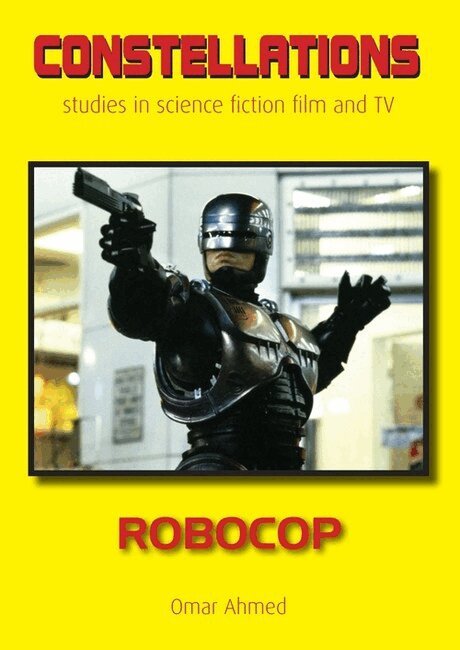
RoboCop, Dutch director Paul Verhoeven's first American film, was both a commercial and (surprise) critical hit on release in 1987. Marking its thirtieth anniversary, this volume explores the film from a variety of critical approaches, including rereading RoboCop as a Western; the neofascist corporatization of the human body; satire, late-Reagan America and the rise of neoliberalism; resurrection, death, and the figure of the cyborg in science fiction; and the legacy of the film across American cinema and within Verhoeven's own body of work, which includes Total Recall and Starship Troopers, both of which develop further ideological interests about American culture. "I'd buy that for a dollar!"
Revolution of Indian Parallel Cinema in the Global South (1968–1995)
From Feminism to Iconoclasm
Inbunden, Engelska, 2025
1 284 kr
Skickas inom 10-15 vardagar
Drawing from over a decade of research and writings, this book takes you on an epic journey through the history of Indian Parallel Cinema (1968 – 1995).India, the late 1960s. Something was in the air. A film manifesto penned by passionate cinephiles called for a new cinema. An exciting generation of iconoclastic filmmakers were on the march, the first to graduate from the newly incarnated Film and Television Institute of India, seizing the moment to forge one of the first major post-colonial film movements. What emerged was an unprecedented level of creativity, merging international influences with experimental, indigenous styles, and creating an aesthetic and thematic rupture, and that ultimately led to new ways of making films. But it is a story that has rarely been told, inextricably absent from the parochial, Euro-centric and linear histories of film. This is the story of Indian Parallel Cinema. From auteurs like Mani Kaul and John Abraham to Smita Patil and Om Puri, The Revolution of Indian Parallel Cinema in the Global South explores the origins, evolution, demise and legacy of a film movement that produced a pantheon of innovative filmmakers, in excess of two hundred films and a distinctly regional identity in which film societies, state funding and political insurgency were catalysts for a defiant, radical dialogue, much of it anti-establishment, that broke all the rules. Most importantly, this publication considers the ways in which Parallel Cinema narrated a new ‘history from below’, using a range of case studies that includes Uski Roti, Mirch Masala and Amma Ariyan.
Revolution of Indian Parallel Cinema in the Global South (1968–1995)
From Feminism to Iconoclasm
Häftad, Engelska, 2026
514 kr
Kommande
Drawing from over a decade of research and writings, this book takes you on an epic journey through the history of Indian Parallel Cinema (1968 – 1995).India, the late 1960s. Something was in the air. A film manifesto penned by passionate cinephiles called for a new cinema. An exciting generation of iconoclastic filmmakers were on the march, the first to graduate from the newly incarnated Film and Television Institute of India, seizing the moment to forge one of the first major post-colonial film movements. What emerged was an unprecedented level of creativity, merging international influences with experimental, indigenous styles, and creating an aesthetic and thematic rupture, and that ultimately led to new ways of making films. But it is a story that has rarely been told, inextricably absent from the parochial, Euro-centric and linear histories of film. This is the story of Indian Parallel Cinema. From auteurs like Mani Kaul and John Abraham to Smita Patil and Om Puri, The Revolution of Indian Parallel Cinema in the Global South explores the origins, evolution, demise and legacy of a film movement that produced a pantheon of innovative filmmakers, in excess of two hundred films and a distinctly regional identity in which film societies, state funding and political insurgency were catalysts for a defiant, radical dialogue, much of it anti-establishment, that broke all the rules. Most importantly, this publication considers the ways in which Parallel Cinema narrated a new ‘history from below’, using a range of case studies that includes Uski Roti, Mirch Masala and Amma Ariyan.