Omar Ashour – författare
Visar alla böcker från författaren Omar Ashour. Handla med fri frakt och snabb leverans.
11 produkter
De-Radicalization of Jihadists
Transforming Armed Islamist Movements
Av Omar Ashour
Inbunden, 2009
2512 kr
Lägg i varukorg
This book is the first detailed study of the causes of de-radicalization in armed Islamist movements. It is based on frontline research that includes interviews with Jihadist leaders, mid-ranking commanders, and young sympathizers, as well as former security and intelligence officers and state …
De-Radicalization of Jihadists
Transforming Armed Islamist Movements
Av Omar Ashour
Häftad, 2010
907 kr
Lägg i varukorg
This book is the first detailed study of the causes of de-radicalization in armed Islamist movements. It is based on frontline research that includes interviews with Jihadist leaders, mid-ranking commanders, and young sympathizers, as well as former security and intelligence officers and state …
De-Radicalization of Jihadists
Transforming Armed Islamist Movements
Av Omar Ashour
E-bok, 2009
1074 kr
Lägg i varukorg
This book is the first detailed study of the causes of de-radicalization in armed Islamist movements. It is based on frontline research that includes interviews with Jihadist leaders, mid-ranking commanders, and young sympathizers, as well as former security and intelligence officers and state …
De-Radicalization of Jihadists
Transforming Armed Islamist Movements
Av Omar Ashour
E-bok, 2009
1074 kr
Lägg i varukorg
This book is the first detailed study of the causes of de-radicalization in armed Islamist movements. It is based on frontline research that includes interviews with Jihadist leaders, mid-ranking commanders, and young sympathizers, as well as former security and intelligence officers and state …
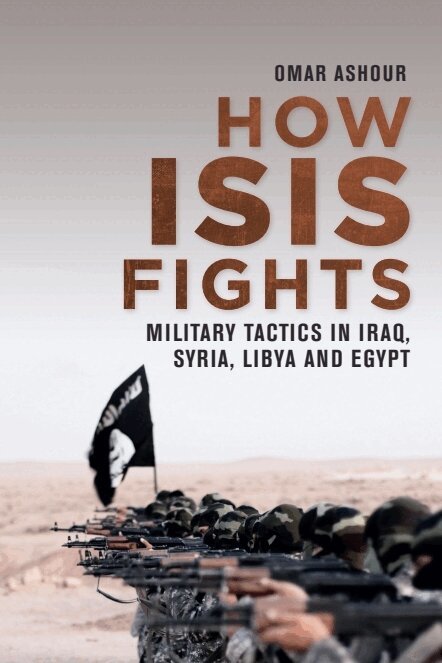
How ISIS Fights
Military Tactics in Iraq, Syria, Libya and Egypt
Av Omar Ashour
Inbunden, 2021
1432 kr
Lägg i varukorg
How did ISIS – a widely hated, massively outnumbered and ludicrously outgunned organisation – manage to occupy over 120 cities, towns and villages from the Southern Philippines to Western Libya? Seeking to understand ISIS’s combat effectiveness, Omar Ashour analyses the military and tactical …
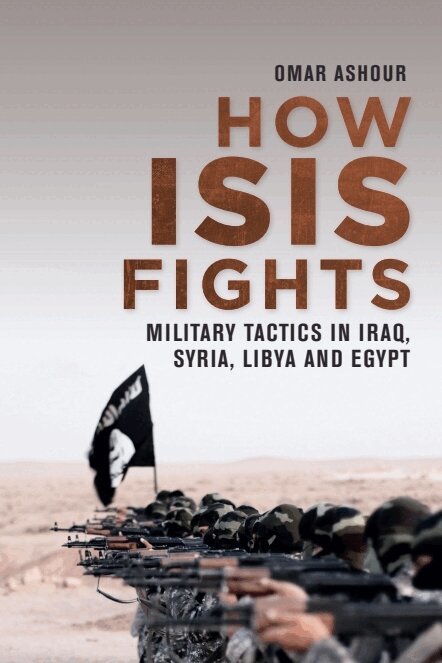
How ISIS Fights
Military Tactics in Iraq, Syria, Libya and Egypt
Av Omar Ashour
Häftad, 2021
227 kr
Lägg i varukorg
How did ISIS – a widely hated, massively outnumbered and ludicrously outgunned organisation – manage to occupy over 120 cities, towns and villages from the Southern Philippines to Western Libya? Seeking to understand ISIS’s combat effectiveness, Omar Ashour analyses the military and tactical …
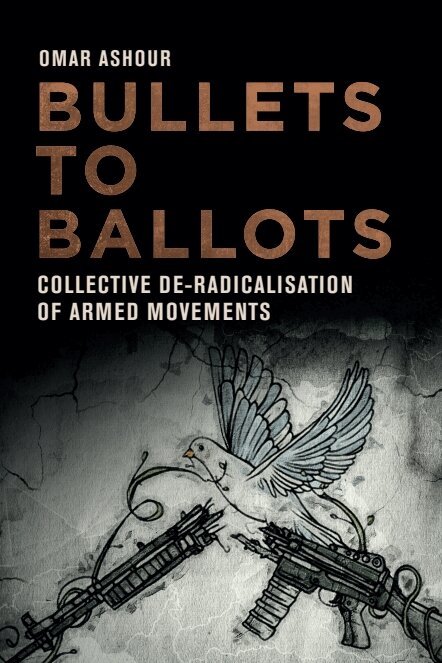
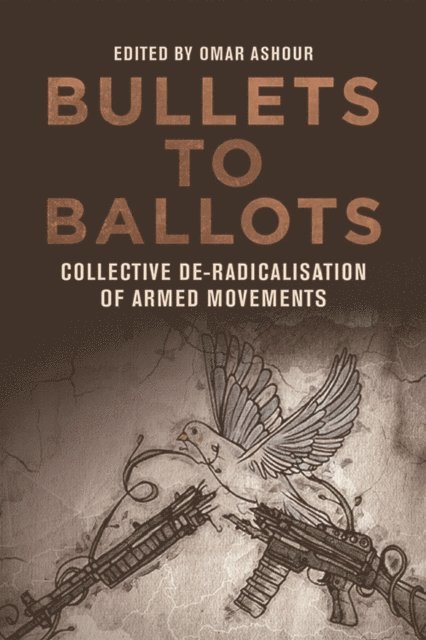
Bullets to Ballots
Collective De-Radicalisation of Armed Movements
Av Omar Ashour
Inbunden, 2021
1331 kr
Lägg i varukorg
De-radicalisation is a global phenomenon where armed organisations transform into political parties or non-violent social movements. Bullets to Ballots explores the different trajectories that this process can take whether it occurs after a military victory, a military defeat, or a draw in an armed …
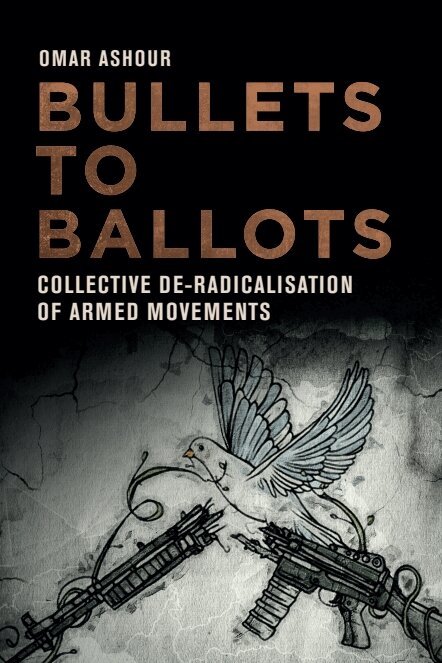
Bullets to Ballots
Collective De-Radicalisation of Armed Movements
Av Omar Ashour
Häftad, 2023
619 kr
Lägg i varukorg
Investigates how and why armed organisations transform into unarmed activist movements Analyses 20 case studies of transformation from 16 countries: Egypt, Iraq, Algeria, Libya, Syria, Spain, the UK, Afghanistan, Ethiopia, South Africa, Argentina, Brazil, Chile, Colombia, Uruguay, El Salvador and …
Bullets to Ballots
Collective De-Radicalisation of Armed Movements
Av Omar Ashour
E-bok, 2021
457 kr
Lägg i varukorg
De-radicalisation is a global phenomenon where armed organisations transform into political parties or non-violent social movements. Bullets to Ballots explores the different trajectories that this process can take – whether it occurs after a military victory, a military defeat, or a draw in an …
Bullets to Ballots
Collective De-Radicalisation of Armed Movements
Av Omar Ashour
E-bok, 2021
457 kr
Lägg i varukorg
De-radicalisation is a global phenomenon where armed organisations transform into political parties or non-violent social movements. Bullets to Ballots explores the different trajectories that this process can take – whether it occurs after a military victory, a military defeat, or a draw in an …
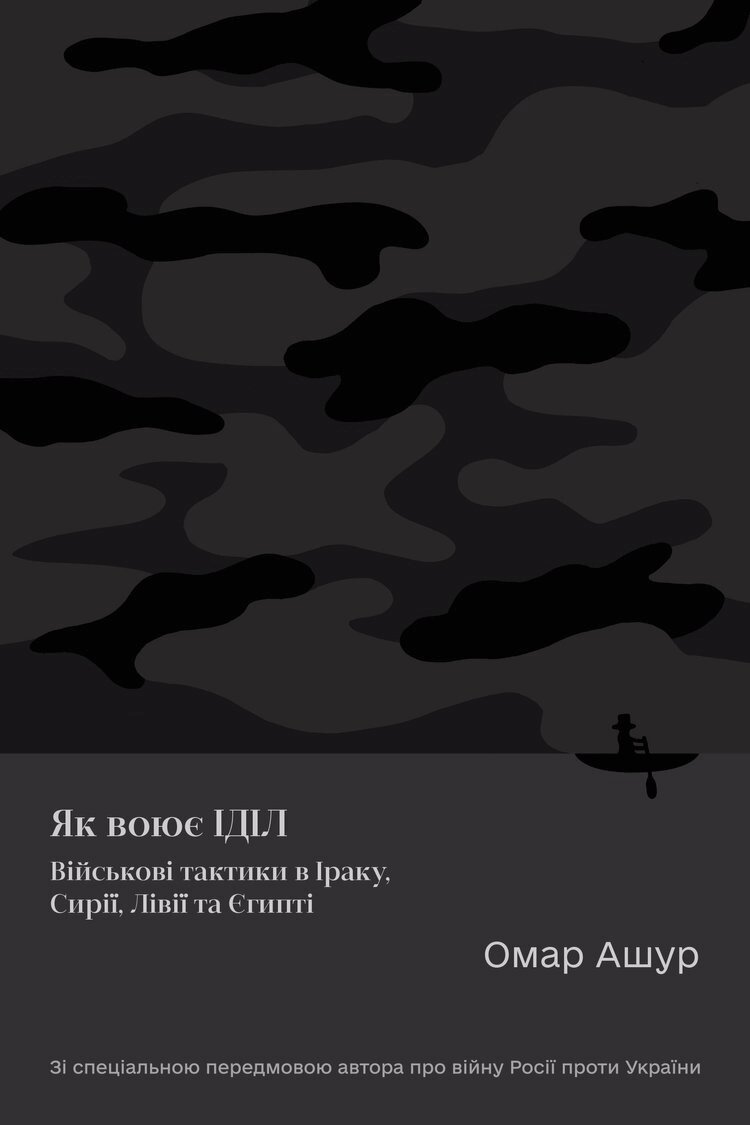
How ISIS Fights
Military Tactics in Iraq, Syria, Libya and Egypt
Av Omar Ashour
Häftad, 2025
384 kr
Lägg i varukorg
EN: Based on extensive field work, this book analyzes how ISIS – a widely hated, massively outnumbered, and ludicrously outgunned organization – managed to occupy over 120 cities, towns, and villages from the Southern Philippines to Western Libya. Seeking to understand ISIS’s combat effectiveness, …