Osamah F. Khalil – Författare
Visar alla böcker från författaren Osamah F. Khalil. Handla med fri frakt och snabb leverans.
4 produkter
4 produkter
292 kr
Skickas inom 7-10 vardagar
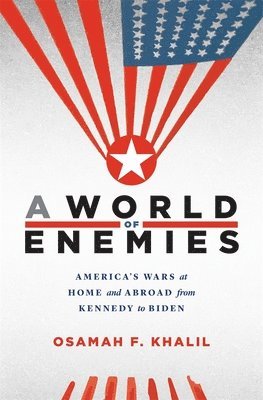
A sobering account of how the United States trapped itself in endless wars—abroad and at home—and what it might do to break free.Over the past half-century, Americans have watched their country extend its military power to what seemed the very ends of the earth. America’s might is felt on nearly every continent—and even on its own streets. Decades ago, the Wars on Drugs and Terror broke down the walls separating law enforcement from military operations. A World of Enemies tells the story of how an America plagued by fears of waning power and influence embraced foreign and domestic forever wars.Osamah Khalil argues that the militarization of US domestic and foreign affairs was the product of America’s failure in Vietnam. Unsettled by their inability to prevail in Southeast Asia, US leaders increasingly came to see a host of problems as immune to political solutions. Rather, crime, drugs, and terrorism were enemies spawned in “badlands”—whether the Middle East or stateside inner cities. Characterized as sites of endemic violence, badlands lay beyond the pale of civilization, their ostensibly racially and culturally alien inhabitants best handled by force.Yet militarized policy has brought few victories. Its failures—in Iraq, Afghanistan, US cities, and increasingly rural and borderland America—have only served to reinforce fears of weakness. It is time, Khalil argues, for a new approach. Instead of managing never-ending conflicts, we need to reinvest in the tools of traditional politics and diplomacy.
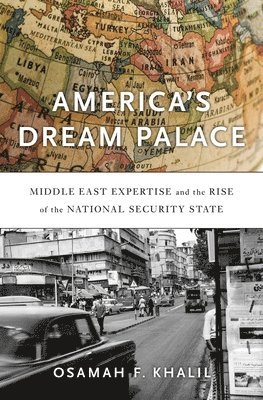
America’s Dream Palace
Middle East Expertise and the Rise of the National Security State
Inbunden, Engelska, 2016
407 kr
Skickas inom 10-15 vardagar
In T. E. Lawrence’s classic memoir Seven Pillars of Wisdom, Lawrence of Arabia claimed that he inspired a “dream palace” of Arab nationalism. What he really inspired, however, was an American idea of the area now called the Middle East that has shaped U.S. interventions over the course of a century, with sometimes tragic consequences. America’s Dream Palace brings into sharp focus the ways U.S. foreign policy has shaped the emergence of expertise concerning this crucial, often turbulent, and misunderstood part of the world.America’s growing stature as a global power created a need for expert knowledge about different regions. When it came to the Middle East, the U.S. government was initially content to rely on Christian missionaries and Orientalist scholars. After World War II, however, as Washington’s national security establishment required professional expertise in Middle Eastern affairs, it began to cultivate a mutually beneficial relationship with academic institutions. Newly created programs at Harvard, Princeton, and other universities became integral to Washington’s policymaking in the region. The National Defense Education Act of 1958, which aligned America’s educational goals with Cold War security concerns, proved a boon for Middle Eastern studies.But charges of anti-Americanism within the academy soon strained this cozy relationship. Federal funding for area studies declined, while independent think tanks with ties to the government flourished. By the time the Bush administration declared its Global War on Terror, Osamah Khalil writes, think tanks that actively pursued agendas aligned with neoconservative goals were the drivers of America’s foreign policy.
1 619 kr
Skickas inom 10-15 vardagar
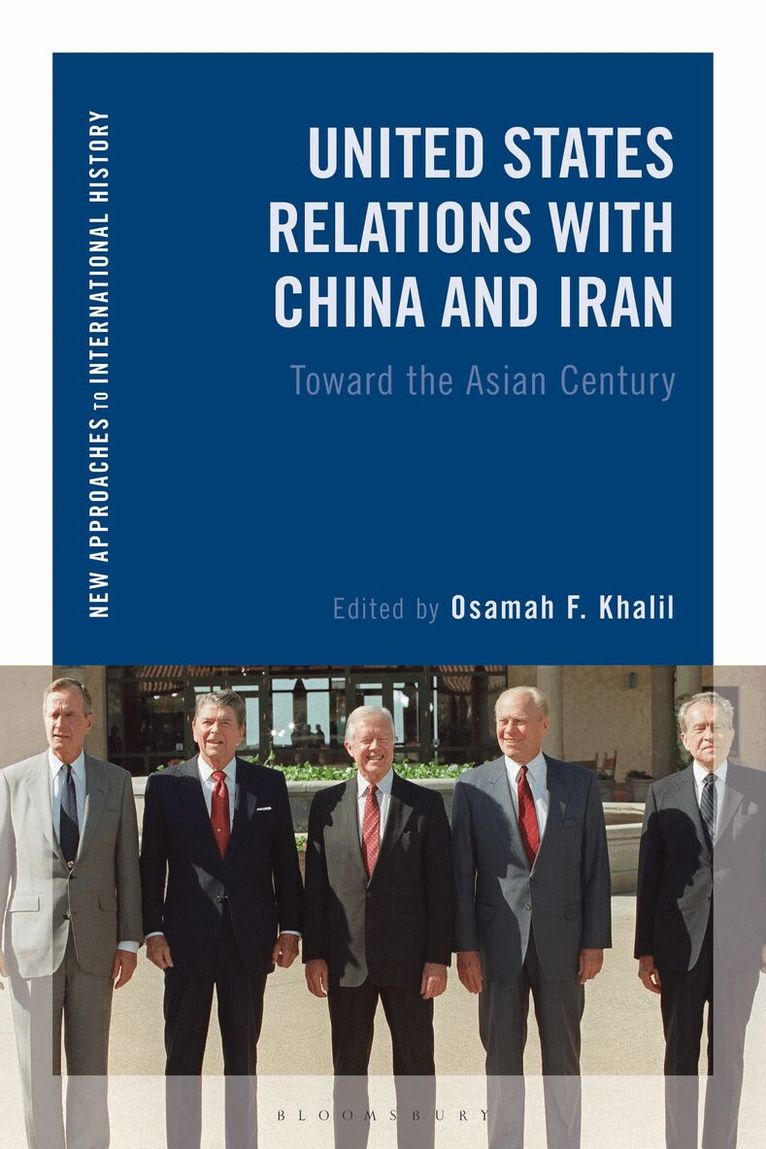
Bringing together experts from history, international relations and the social sciences, United States Relations with China and Iran examines the past, present and future of U.S. foreign relations toward the People’s Republic of China and the Islamic Republic of Iran. It benefits from recently declassified documents and an interdisciplinary, transnational approach to explore different aspects of the relations between these three countries. While the 20th century has been referred to as the “American Century,” this book posits that the 21st century will be shaped by relations between the United States and key countries in Asia, in particular China and Iran. In assessing the United States' foreign policy towards China and Iran over the past six decades the chapters focus on several key themes: interaction, normalization, and confrontation. The book provides an insight into how and why Washington has developed and implemented its policies toward Beijing and Tehran, and examines how China and Iran have developed policies toward the United States and internationally. Finally, it draws on the insights of leading scholars discussing the future of relations between Beijing and Tehran. This interdisciplinary book brings a unique perspective to the international relations of the 20th century and beyond, and will benefit students and scholars of U.S. foreign relations as well as Middle Eastern and East Asian history and politics.
461 kr
Skickas inom 10-15 vardagar
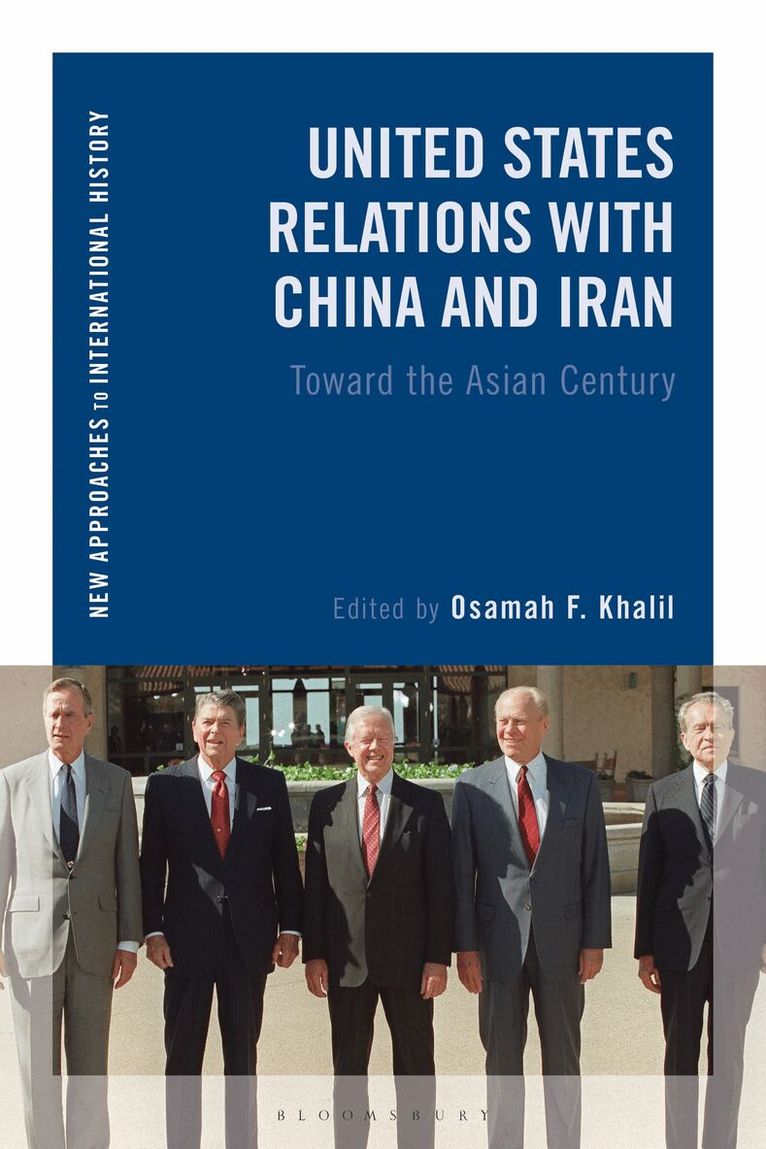
Bringing together experts from history, international relations and the social sciences, United States Relations with China and Iran examines the past, present and future of U.S. foreign relations toward the People’s Republic of China and the Islamic Republic of Iran. It benefits from recently declassified documents and an interdisciplinary, transnational approach to explore different aspects of the relations between these three countries. While the 20th century has been referred to as the “American Century,” this book posits that the 21st century will be shaped by relations between the United States and key countries in Asia, in particular China and Iran. In assessing the United States' foreign policy towards China and Iran over the past six decades the chapters focus on several key themes: interaction, normalization, and confrontation. The book provides an insight into how and why Washington has developed and implemented its policies toward Beijing and Tehran, and examines how China and Iran have developed policies toward the United States and internationally. Finally, it draws on the insights of leading scholars discussing the future of relations between Beijing and Tehran. This interdisciplinary book brings a unique perspective to the international relations of the 20th century and beyond, and will benefit students and scholars of U.S. foreign relations as well as Middle Eastern and East Asian history and politics.