Oscar de la Torre – författare
Visar alla böcker från författaren Oscar de la Torre. Handla med fri frakt och snabb leverans.
7 produkter
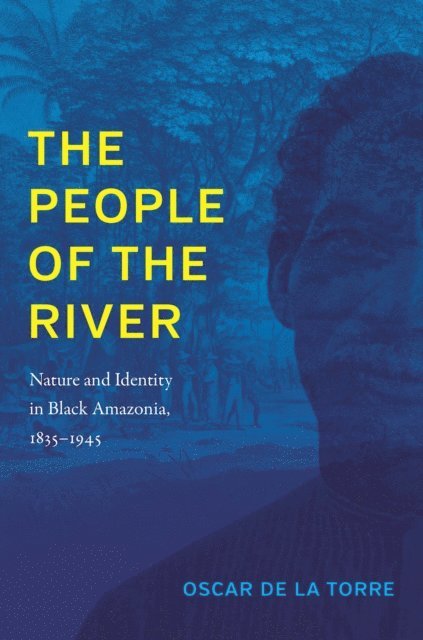
People of the River
Nature and Identity in Black Amazonia, 1835–1945
Inbunden, 2018
1233 kr
Lägg i varukorg
In this history of the black peasants of Amazonia, Oscar de la Torre focuses on the experience of African-descended people navigating the transition from slavery to freedom. Drawing on social and environmental history, he connects the Amazonians intimately to their natural landscapes. Relying on …
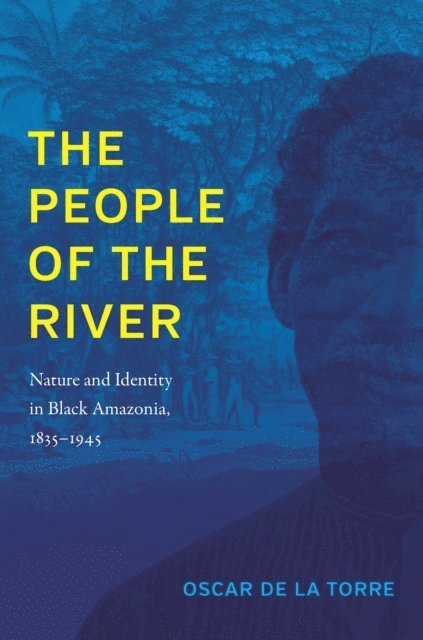
People of the River
Nature and Identity in Black Amazonia, 1835–1945
Häftad, 2018
460 kr
Lägg i varukorg
In this history of the black peasants of Amazonia, Oscar de la Torre focuses on the experience of African-descended people navigating the transition from slavery to freedom. Drawing on social and environmental history, he connects the Amazonians intimately to their natural landscapes. Relying on …
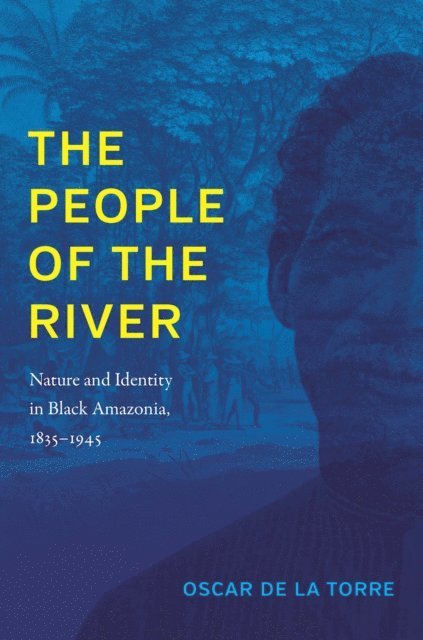
People of the River
Nature and Identity in Black Amazonia, 1835–1945
E-bok, 2018
586 kr
Lägg i varukorg
In this history of the black peasants of Amazonia, Oscar de la Torre focuses on the experience of African-descended people navigating the transition from slavery to freedom. Drawing on social and environmental history, he connects the Amazonians intimately to their natural landscapes. Relying on …
People of the River
Nature and Identity in Black Amazonia, 1835–1945
E-bok, 2018
2051 kr
Lägg i varukorg
In this history of the black peasants of Amazonia, Oscar de la Torre focuses on the experience of African-descended people navigating the transition from slavery to freedom. He draws on social and environmental history to connect them intimately to the natural landscape and to Indigenous peoples. …
People of the River
Nature and Identity in Black Amazonia, 1835–1945
E-bok, 2018
393 kr
Lägg i varukorg
In this history of the black peasants of Amazonia, Oscar de la Torre focuses on the experience of African-descended people navigating the transition from slavery to freedom. He draws on social and environmental history to connect them intimately to the natural landscape and to Indigenous peoples. …
People of the River
Nature and Identity in Black Amazonia, 1835–1945
E-bok, 2018
2051 kr
Lägg i varukorg
In this history of the black peasants of Amazonia, Oscar de la Torre focuses on the experience of African-descended people navigating the transition from slavery to freedom. He draws on social and environmental history to connect them intimately to the natural landscape and to Indigenous peoples. …