Oskar Elschek – författare
Visar alla böcker från författaren Oskar Elschek. Handla med fri frakt och snabb leverans.
3 produkter
3 produkter
Del 4 - Sinophone and Taiwan Studies
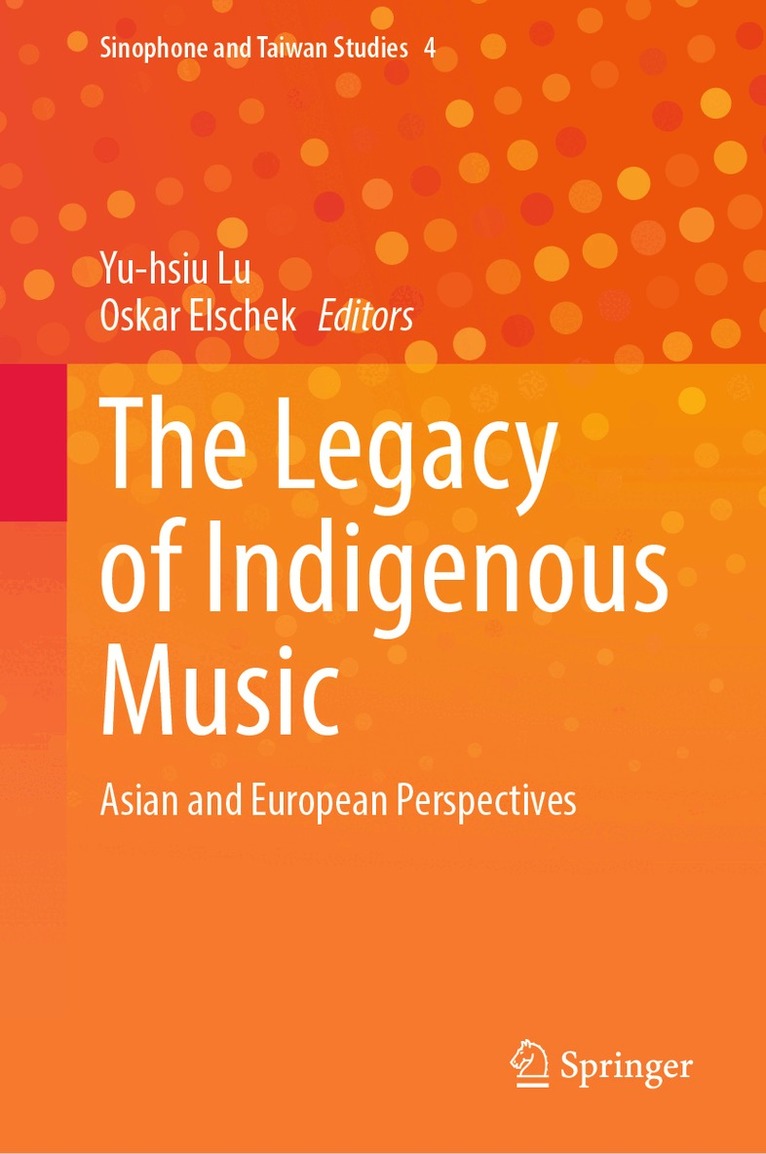
Legacy of Indigenous Music
Asian and European Perspectives
Inbunden, Engelska, 2021
1 523 kr
Skickas inom 10-15 vardagar
This book shares essential insights into how indigenous music has been inherited and preserved under the influence of the dominant mainstream culture in Asia and Europe. It illustrates possible ways of handing down indigenous music in countries and regions with different levels of acceptance toward indigeneity, including Taiwan, the Philippines, Malaysia, Turkey, the Czech Republic, Slovakia, the Near and Middle East, Caucasus Mountains, etc. Given its focus, the book benefits researchers who are interested in the status quo of indigenous music around the globe. The macro- and micro-perspectives used to explore related issues, problems, and concerns also benefit those interested in regional ethnomusicology.
E-bok
Engelska, 20211 825 kr
Läs direkt efter köp
This book shares essential insights into how indigenous music has been inherited and preserved under the influence of the dominant mainstream culture in Asia and Europe. It illustrates possible ways of handing down indigenous music in countries and regions with different levels of acceptance toward indigeneity, including Taiwan, the Philippines, Malaysia, Turkey, the Czech Republic, Slovakia, the Near and Middle East, Caucasus Mountains, etc. Given its focus, the book benefits researchers who are interested in the status quo of indigenous music around the globe. The macro- and micro-perspectives used to explore related issues, problems, and concerns also benefit those interested in regional ethnomusicology.
Del 4 - Sinophone and Taiwan Studies
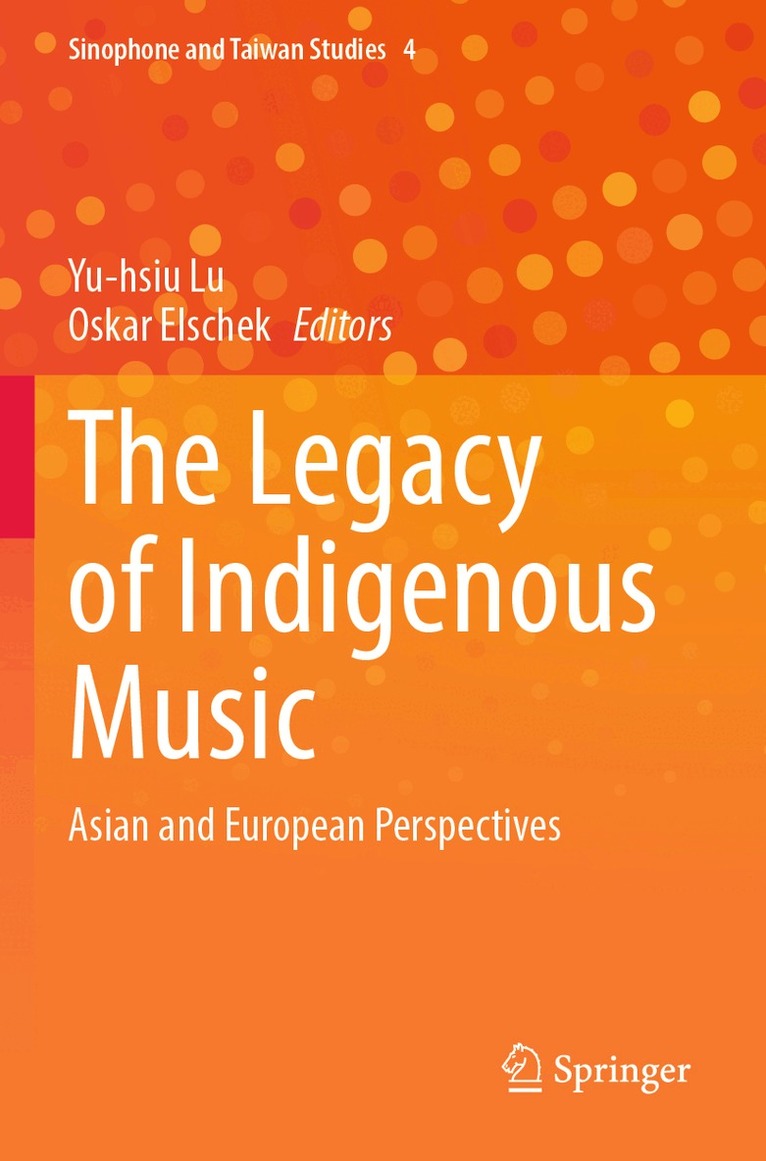
Legacy of Indigenous Music
Asian and European Perspectives
Häftad, Engelska, 2022
1 523 kr
Skickas inom 10-15 vardagar
This book shares essential insights into how indigenous music has been inherited and preserved under the influence of the dominant mainstream culture in Asia and Europe. It illustrates possible ways of handing down indigenous music in countries and regions with different levels of acceptance toward indigeneity, including Taiwan, the Philippines, Malaysia, Turkey, the Czech Republic, Slovakia, the Near and Middle East, Caucasus Mountains, etc. Given its focus, the book benefits researchers who are interested in the status quo of indigenous music around the globe. The macro- and micro-perspectives used to explore related issues, problems, and concerns also benefit those interested in regional ethnomusicology.