P D Newman – författare
Visar alla böcker från författaren . Handla med fri frakt och snabb leverans.
6 produkter
6 produkter
Häftad, Engelska, 2017
267 kr
Skickas inom 5-8 vardagar
Inbunden, Engelska, 2024
363 kr
Skickas
Connects the magical practice of theurgy to the time of Homer.First defined by the second century Chaldean Oracles, theurgy is an ancient magic practice whereby practitioners divinized the soul and achieved mystical union with a deity, the Demiurge, or the One.In this detailed study, P. D. Newman pushes the roots of theurgy all the way back before the time of Homer. He shows how the Chaldean Oracles were not only written in Homeric Greek but also in dactylic hexameter, the same meter as the epics of Homer. Linking the Greek shamanic practices of the late Archaic period with the theurgic rites of late antiquity, the author explains how both anabasis, soul ascent, and katabasis, soul descent, can be considered varieties of shamanic soul flight and how these practices existed in ancient Greek culture prior to the influx of shamanic influence from Thrace and the Hyperborean North.The author explores the many theurgic themes and symbolic events in the Odyssey and the Iliad, including the famous journey of Odysseus to Hades and the incident of the funeral pyre of Patroclus. He presents a close analysis of On the Cave of the Nymphs, Porphyry’s commentary on Homer’s Odyssey, as well as a detailed look at Proclus’s symbolic reading of Homer’s Iliad, showing how both of these Neoplatonists describe the philosophical theory and the technical ritual praxis of theurgy. Using the Chaldean Oracles as a case study, Newman examines in detail the methods of telestikē, a form of theurgic statue animation, linking this practice to ancient Egyptian and Greek traditions as well as theurgic techniques to divinize the soul.Revealing how the theurgic arts are far older than the second century, Newman’s study not only examines the philosophical theory of theurgy but also the actual ritual practices of the theurgists, as described in their own words.
E-bok
Engelska, 2023219 kr
Läs direkt efter köp
Connects the magical practice of theurgy to the time of Homer• Explores the many theurgic themes and events in the Odyssey and the Iliad• Analyzes the writings of Neoplatonists Porphyry and Proclus, showing how both describe the technical ritual praxis of theurgy in Homeric terms• Examines the methods of telestikē, a form of theurgic statue animation and technique to divinize the soul, and how theurgy is akin to shamanic soul flightFirst defined by the second century Chaldean Oracles, theurgy is an ancient magic practice whereby practitioners divinized the soul and achieved mystical union with a deity, the Demiurge, or the One.In this detailed study, P. D. Newman pushes the roots of theurgy all the way back before the time of Homer. He shows how the Chaldean Oracles were not only written in Homeric Greek but also in dactylic hexameter, the same meter as the epics of Homer. Linking the Greek shamanic practices of the late Archaic period with the theurgic rites of late antiquity, the author explains how both anabasis, soul ascent, and katabasis, soul descent, can be considered varieties of shamanic soul flight and how these practices existed in ancient Greek culture prior to the influx of shamanic influence from Thrace and the Hyperborean North.The author explores the many theurgic themes and symbolic events in the Odyssey and the Iliad, including the famous journey of Odysseus to Hades and the incident of the funeral pyre of Patroclus. He presents a close analysis of On the Cave of the Nymphs, Porphyry’s commentary on Homer’s Odyssey, as well as a detailed look at Proclus’s symbolic reading of Homer’s Iliad, showing how both of these Neoplatonists describe the philosophical theory and the technical ritual praxis of theurgy. Using the Chaldean Oracles as a case study, Newman examines in detail the methods of telestikē, a form of theurgic statue animation, linking this practice to ancient Egyptian and Greek traditions as well as theurgic techniques to divinize the soul.Revealing how the theurgic arts are far older than the second century, Newman’s study not only examines the philosophical theory of theurgy but also the actual ritual practices of the theurgists, as described in their own words.
Häftad, Engelska, 2021
358 kr
Skickas inom 5-8 vardagar
Ljudbok
Engelska, 2024287 kr
Lyssna direkt efter köp
• Explores the many theurgic themes and events in the Odyssey and the Iliad• Analyzes the writings of Neoplatonists Porphyry and Proclus, showing how both describe the technical ritual praxis of theurgy in Homeric terms• Examines the methods of telestikē, a form of theurgic statue animation and technique to divinize the soul, and how theurgy is akin to shamanic soul flightFirst defined by the second century Chaldean Oracles, theurgy is an ancient magic practice whereby practitioners divinized the soul and achieved mystical union with a deity, the Demiurge, or the One.In this detailed study, P. D. Newman pushes the roots of theurgy all the way back before the time of Homer. He shows how the Chaldean Oracles were not only written in Homeric Greek but also in dactylic hexameter, the same meter as the epics of Homer. Linking the Greek shamanic practices of the late Archaic period with the theurgic rites of late antiquity, the author explains how both anabasis, soul ascent, and katabasis, soul descent, can be considered varieties of shamanic soul flight and how these practices existed in ancient Greek culture prior to the influx of shamanic influence from Thrace and the Hyperborean North.The author explores the many theurgic themes and symbolic events in the Odyssey and the Iliad, including the famous journey of Odysseus to Hades and the incident of the funeral pyre of Patroclus. He presents a close analysis of On the Cave of the Nymphs, Porphyry’s commentary on Homer’s Odyssey, as well as a detailed look at Proclus’s symbolic reading of Homer’s Iliad, showing how both of these Neoplatonists describe the philosophical theory and the technical ritual praxis of theurgy. Using the Chaldean Oracles as a case study, Newman examines in detail the methods of telestikē, a form of theurgic statue animation, linking this practice to ancient Egyptian and Greek traditions as well as theurgic techniques to divinize the soul.Revealing how the theurgic arts are far older than the second century, Newman’s study not only examines the philosophical theory of theurgy but also the actual ritual practices of the theurgists, as described in their own words.
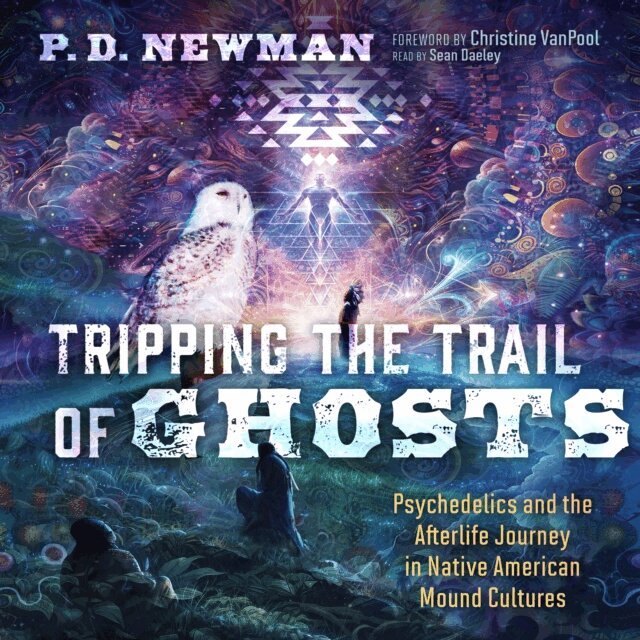
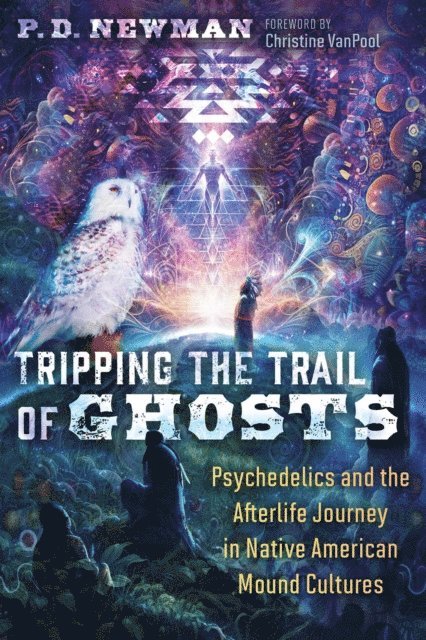
Tripping the Trail of Ghosts
Psychedelics and the Afterlife Journey in Native American Mound Cultures
E-bok
Engelska, 2025131 kr
Läs direkt efter köp
• Examines the Path of Souls or Trail of Ghosts, a Native American model for the after-death journey• Demonstrates how psychoactive plants were used to evoke the liminal state between life and death in initiatory rites and spirit journeys• Explores the symbology of the large earthwork mounds erected by the Indigenous people of the Mississippi Valley and how they connect to the Path of SoulsThe use of hallucinogenic substances like peyote and desert tobacco has long played a significant role in the spiritual practices and traditions of Native Americans. While the majority of those practices are well documented, the relationship between entheogens and Native Americans of the Southeast has gone largely unexplored.Examining the role of psychoactive plants in afterlife traditions, sacred rituals, and spirit journeying by shamans of the Mississippian mound cultures, P. D. Newman explores in depth the Native American death journey known as the "Trail of Ghosts" or "Path of Souls." He demonstrates how practices such as fasting and trancework when used with psychedelic plants like jimsonweed, black nightshade, morning glory, and amanita and psilocybin mushrooms could evoke the liminal state between life and death in initiatory rites and spirit journeys for shamans and chiefs. He explores the earthwork and platform mounds built by Indigenous cultures of the Mississippi Valley, showing how they quite likely served as early models for the Path of Souls. He also explores similarities between the Ghost Trail afterlife journey and the well-known Egyptian and Tibetan Books of the Dead.