P. Johannes Ehrat, SJ – författare
Visar alla böcker från författaren P. Johannes Ehrat, SJ. Handla med fri frakt och snabb leverans.
4 produkter
4 produkter
Inbunden, Engelska, 2011
863 kr
Skickas inom 5-8 vardagar
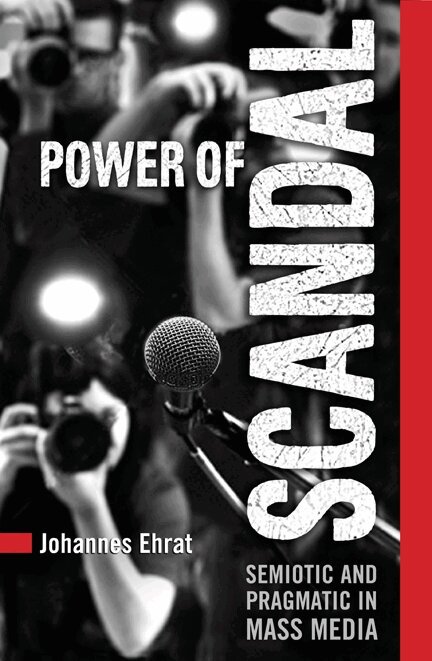
Are there events that are inherently scandalous? Power of Scandal finds that the very idea of 'scandal' is derived not from an event, but from public opinion - which, in turn, is construed by media narratives. Scandal is powerful because of its ability to challenge institutions by destabilizing their legitimacy. The media plays an integral role in the creation of scandal because it interprets real events as purposeful actions for the public. Examining the ubiquity of scandals in today's mass media, Johannes Ehrat's conclusions are fresh and surprising.Ehrat applies classic semiotic and pragmatic thought to contemporary media issues, mainly moralist discourse from sex abuse cases to the phenomenon of televangelism. Arguing that sociological and communications studies of scandal have ignored the media's constructed nature, Ehrat focuses on how meaningful public narrative is produced. By examining the parallel worlds of media and public opinion, Power of Scandal uses an alternative heuristic for understanding mass communication that is both rigorous and sophisticated.
E-bok
Engelska, 20111 038 kr
Läs direkt efter köp
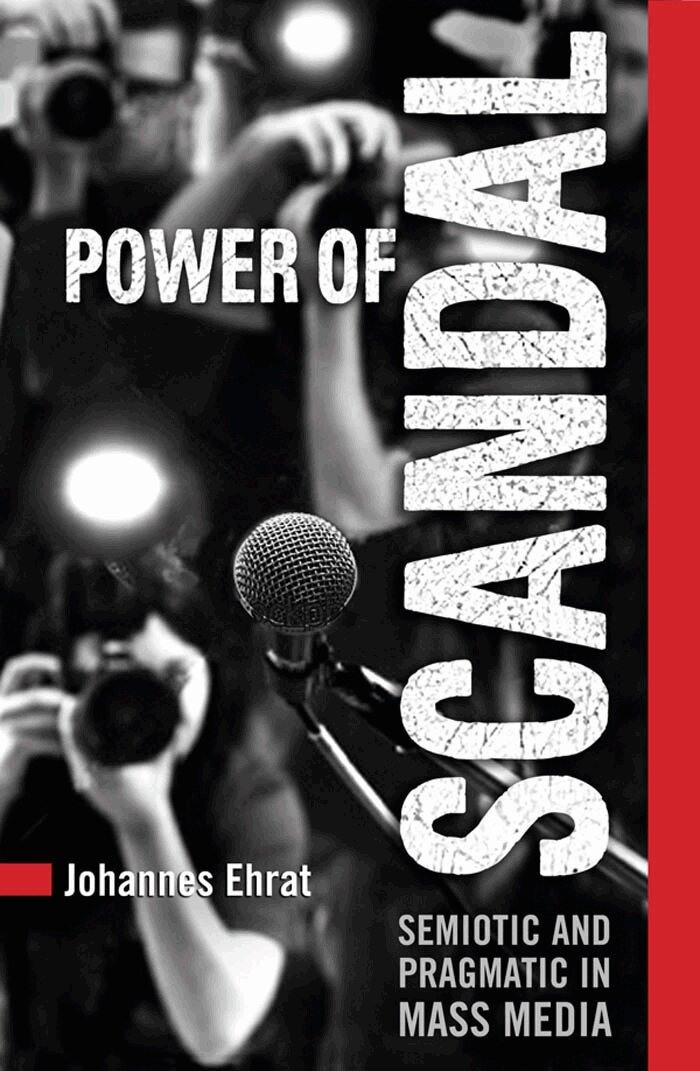
Are there events that are inherently scandalous? Power of Scandal finds that the very idea of 'scandal' is derived not from an event, but from public opinion - which, in turn, is construed by media narratives. Scandal is powerful because of its ability to challenge institutions by destabilizing their legitimacy. The media plays an integral role in the creation of scandal because it interprets real events as purposeful actions for the public. Examining the ubiquity of scandals in today's mass media, Johannes Ehrat's conclusions are fresh and surprising.Ehrat applies classic semiotic and pragmatic thought to contemporary media issues, mainly moralist discourse from sex abuse cases to the phenomenon of televangelism. Arguing that sociological and communications studies of scandal have ignored the media's constructed nature, Ehrat focuses on how meaningful public narrative is produced. By examining the parallel worlds of media and public opinion, Power of Scandal uses an alternative heuristic for understanding mass communication that is both rigorous and sophisticated.
E-bok
PDF, Engelska, 20051 734 kr
Läs direkt efter köp
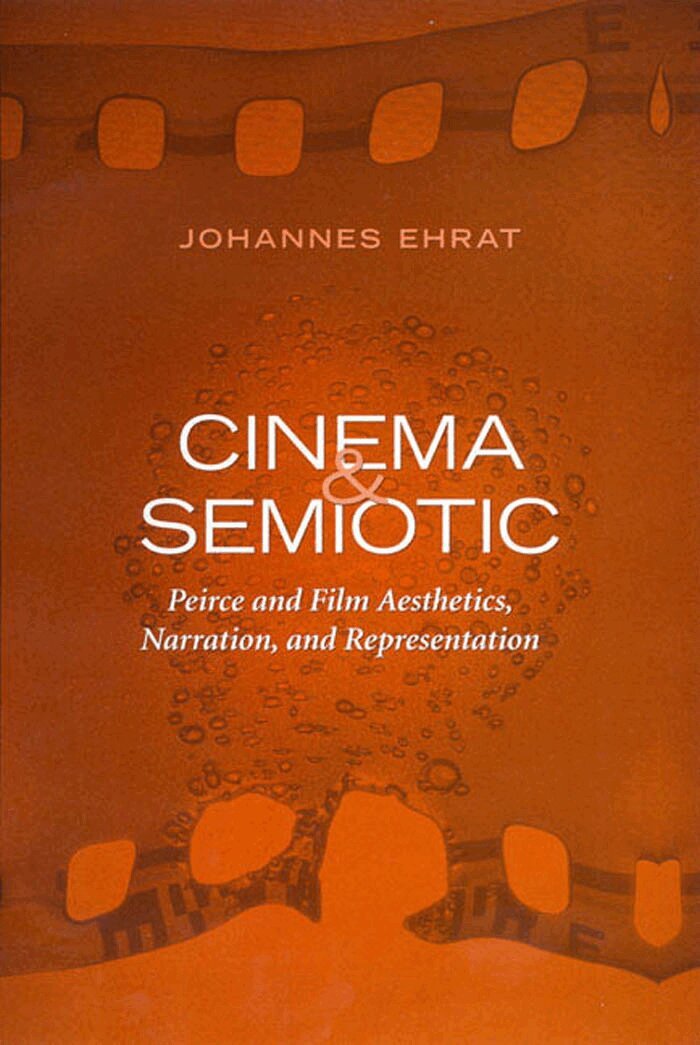
'Meaning' in cinema is very complex, and the flood of theories that define it have, in certain ways, left cinematic meaning meaningless. Johannes Ehrat's analysis of meaning in cinema has convinced him that what is needed is greater philosophical reflection on the construction of meaning. In Cinema and Semiotic, he attempts to resurrect meaning by employing Charles S. Peirce's theories on semiotics to debate the major contemporary film theories that have diluted it.Based on Peirce's Semiotic and Pragmatism, Ehrat offers a novel approach to cinematic meaning in three central areas: narrative enunciation, cinematic world appropriation, and cinematic perception. Attempting a comprehensive theory of cinema – instead of the regional 'middle-ground' theories that function only on certain 'common-sense' assumptions that borrow uncritically from psychophysiology – Ehrat further demonstrates how a semiotic approach grasps the nature of time, not in a psychological manner, but rather cognitively, and provides a new understanding of the particular filmic sign process that relates a sign to the existence or non-existence of objects. Never before has Peirce been so fruitfully employed for the comprehension of meaning in cinema.
E-bok
PDF, Engelska, 20101 106 kr
Läs direkt efter köp
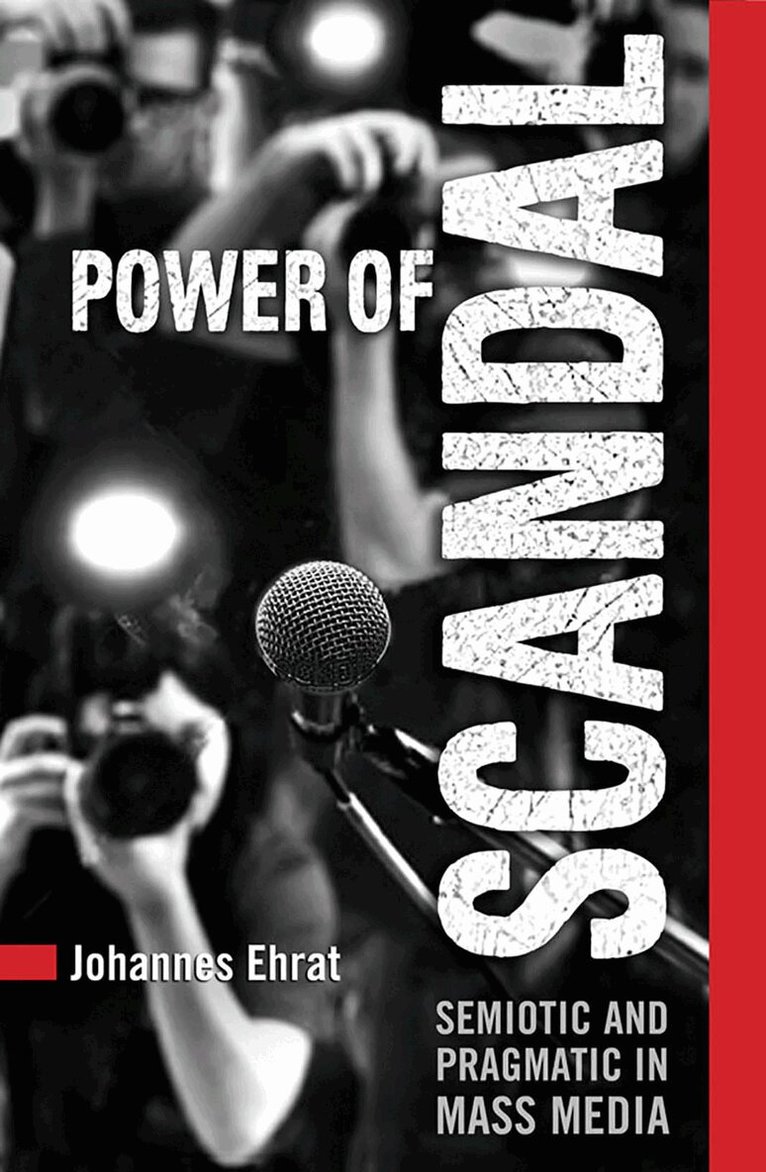
Are there events that are inherently scandalous? Power of Scandal finds that the very idea of 'scandal' is derived not from an event, but from public opinion - which, in turn, is construed by media narratives. Scandal is powerful because of its ability to challenge institutions by destabilizing their legitimacy. The media plays an integral role in the creation of scandal because it interprets real events as purposeful actions for the public. Examining the ubiquity of scandals in today's mass media, Johannes Ehrat's conclusions are fresh and surprising.Ehrat applies classic semiotic and pragmatic thought to contemporary media issues, mainly moralist discourse from sex abuse cases to the phenomenon of televangelism. Arguing that sociological and communications studies of scandal have ignored the media's constructed nature, Ehrat focuses on how meaningful public narrative is produced. By examining the parallel worlds of media and public opinion, Power of Scandal uses an alternative heuristic for understanding mass communication that is both rigorous and sophisticated.