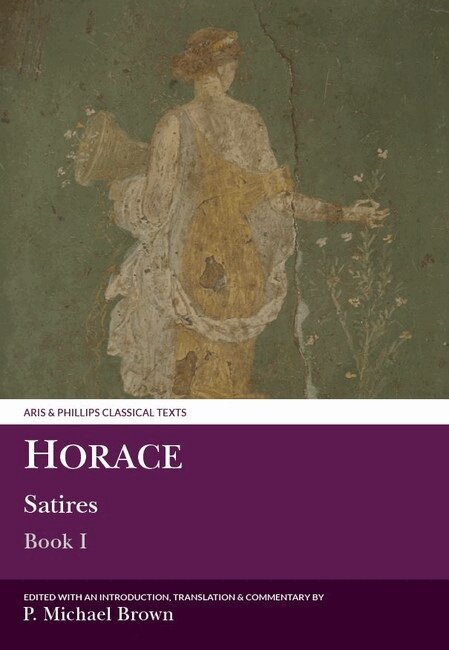
Horace’s first book of verse satires is the earliest fully extant example of the genre in European literature; it not only handles moral topics with a persuasive air of sweet reason but also reveals much of the poet’s own engaging personality and way of life. This edition incorporates a new text and prose translation and is designed to make the poems readily accessible to the modern reader by elucidating their content, structure and background; it also explores the artistry which lies behind their easy informality of style. Latin text with facing-page English translation, introduction and commentary.
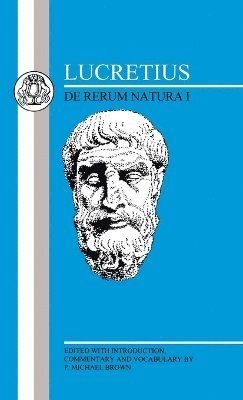
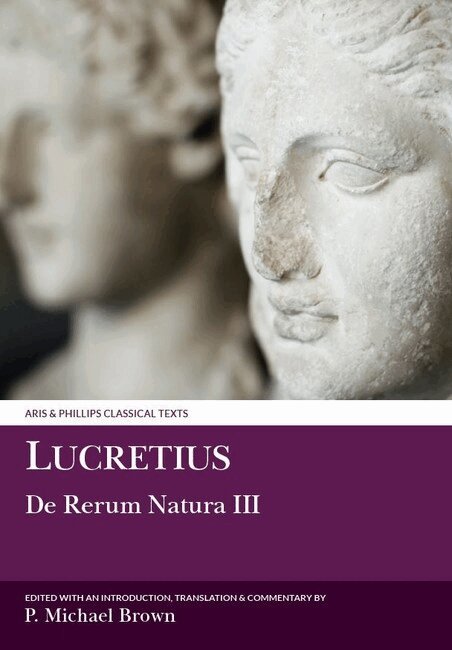
Lucretius' poem, for which Epicurean philosophy provided the inspiration, attempts to explain the nature of the universe and its processes with the object of freeing mankind from religious fears. The third book not only seeks to demonstrate that, since the soul is mortal, there can be no after-life, but also aims to reconcile the reader to the prospect of the end of his consciousness. This edition incorporates a new text and prose translation and is designed to set the book in the context of the whole poem and of the Epicurean philosophical system, to explain and elucidate its argument, and at the same time to analyse some of the literary and artistic features which contribute to Lucretius' poetic achievement and stature. Latin text with facing page translation.
Horace’s first book of verse satires is the earliest fully extant example of the genre in European literature; it not only handles moral topics with a persuasive air of sweet reason but also reveals much of the poet’s own engaging personality and way of life. This edition incorporates a new text and prose translation and is designed to make the poems readily accessible to the modern reader by elucidating their content, structure and background; it also explores the artistry which lies behind their easy informality of style. Latin text with facing-page English translation, introduction and commentary.
Lucretius' poem, for which Epicurean philosophy provided the inspiration, attempts to explain the nature of the universe and its processes with the object of freeing mankind from religious fears. The third book not only seeks to demonstrate that, since the soul is mortal, there can be no after-life, but also aims to reconcile the reader to the prospect of the end of his consciousness. This edition incorporates a new text and prose translation and is designed to set the book in the context of the whole poem and of the Epicurean philosophical system, to explain and elucidate its argument, and at the same time to analyse some of the literary and artistic features which contribute to Lucretius' poetic achievement and stature. Latin text with facing page translation.