P. Parrini – författare
Visar alla böcker från författaren P. Parrini. Handla med fri frakt och snabb leverans.
4 produkter
4 produkter
2 117 kr
Skickas inom 10-15 vardagar
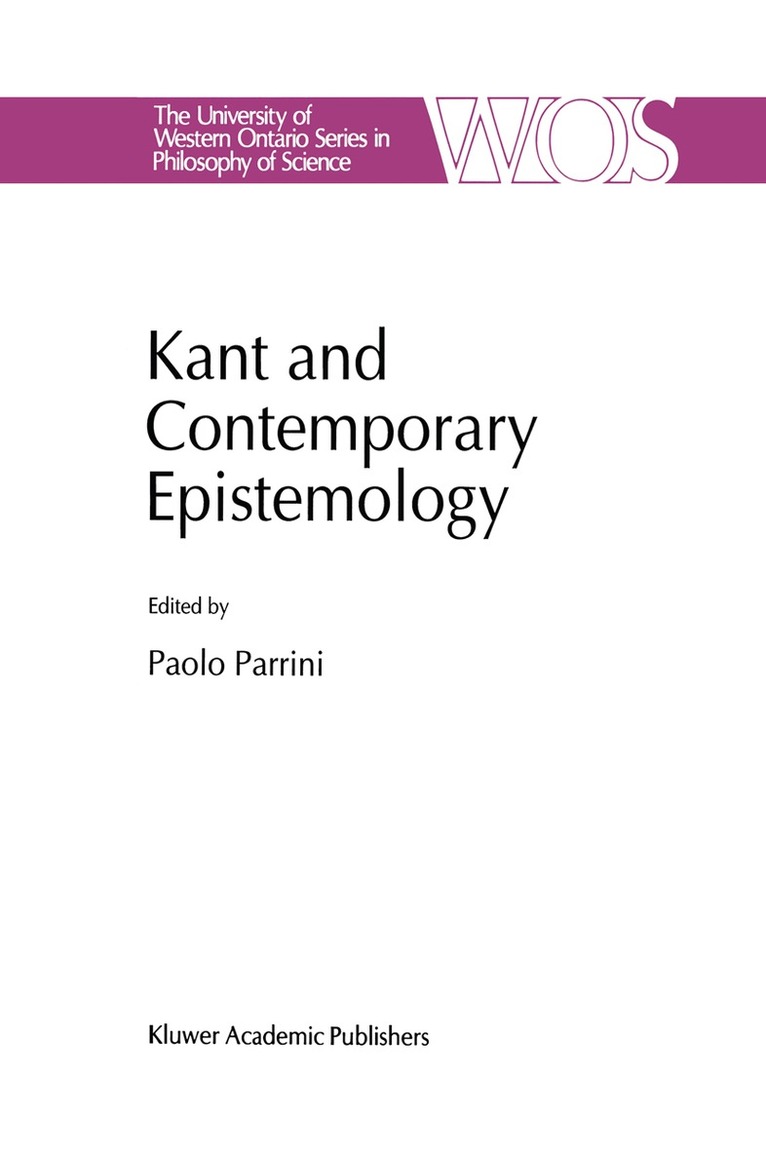
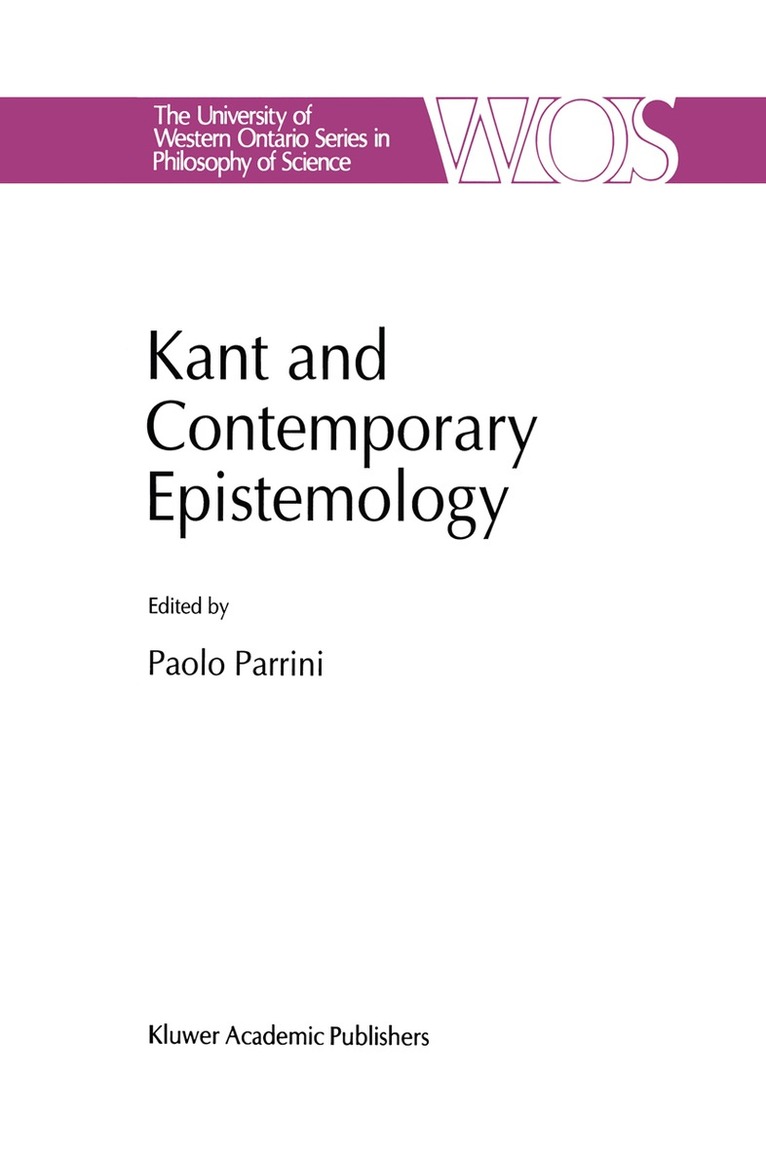
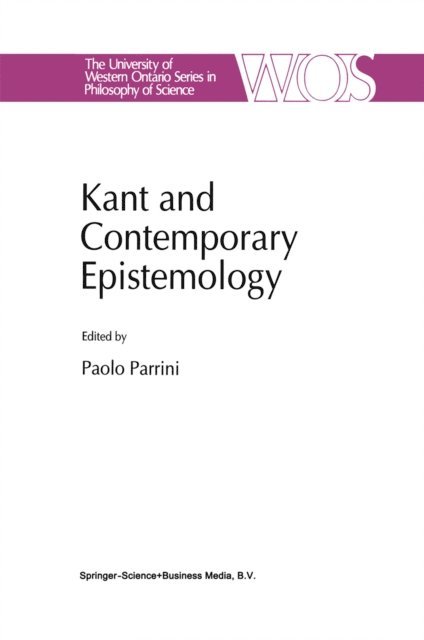
From the mid-1960s, after the works by J. Hintikka, S. Koerner, W. Sellars and P.F. Strawson, there has been a marked revival of Kantian epistemological thought. Against this background, featuring fruitful exchange between historical research and theoretical prospects, the main point of this book is the discussion of Kantian theory of scientific knowledge from the perspective of present-day analytical philosophy and philosophy of empirical and mathematical sciences. The main topics are the problem of a priori knowledge in logic, mathematics and physics, the distinction between analytic and synthetic judgments, the constitution of physical objectivity and the questions of realism and truth, the Kantian conception of time, causal laws and induction, the relations between Kantian epistemological thought, relativity theory, quantum theory and some recent developments of philosophy of science. The book is designed for research workers, specialists and scholars in the fields of epistemology, philosophy of science and history of philosophy.
1 062 kr
Skickas inom 10-15 vardagar
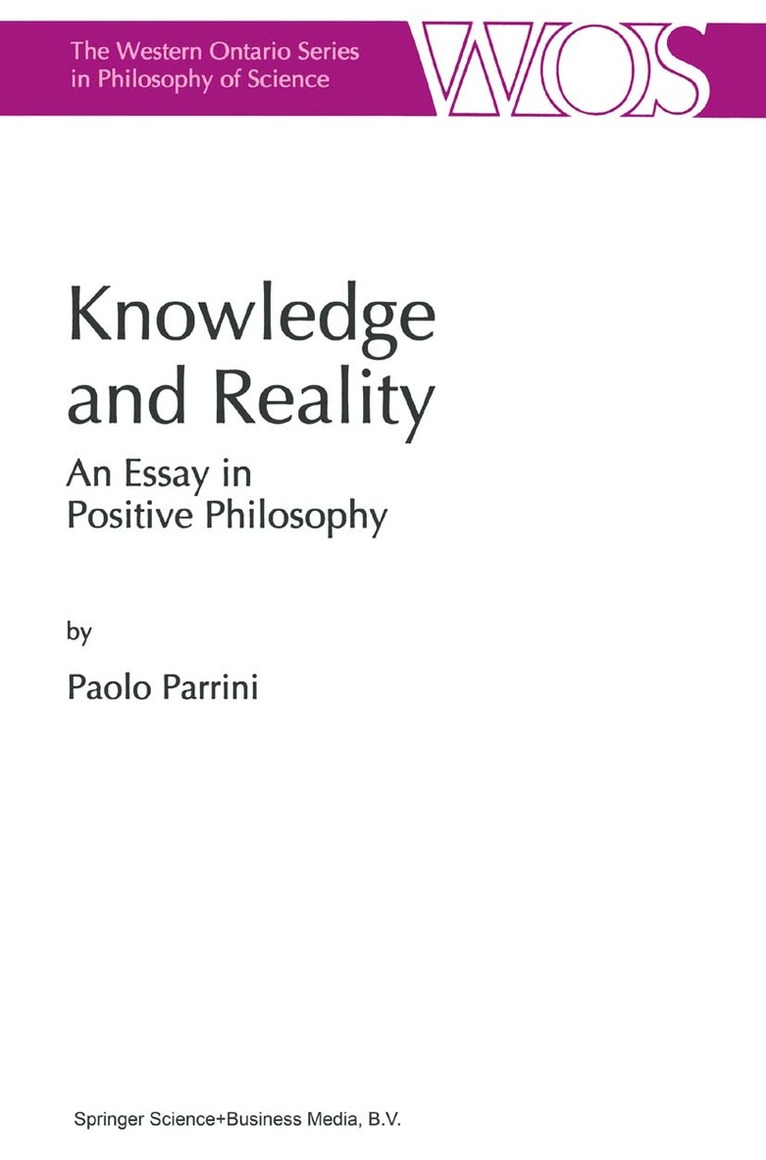
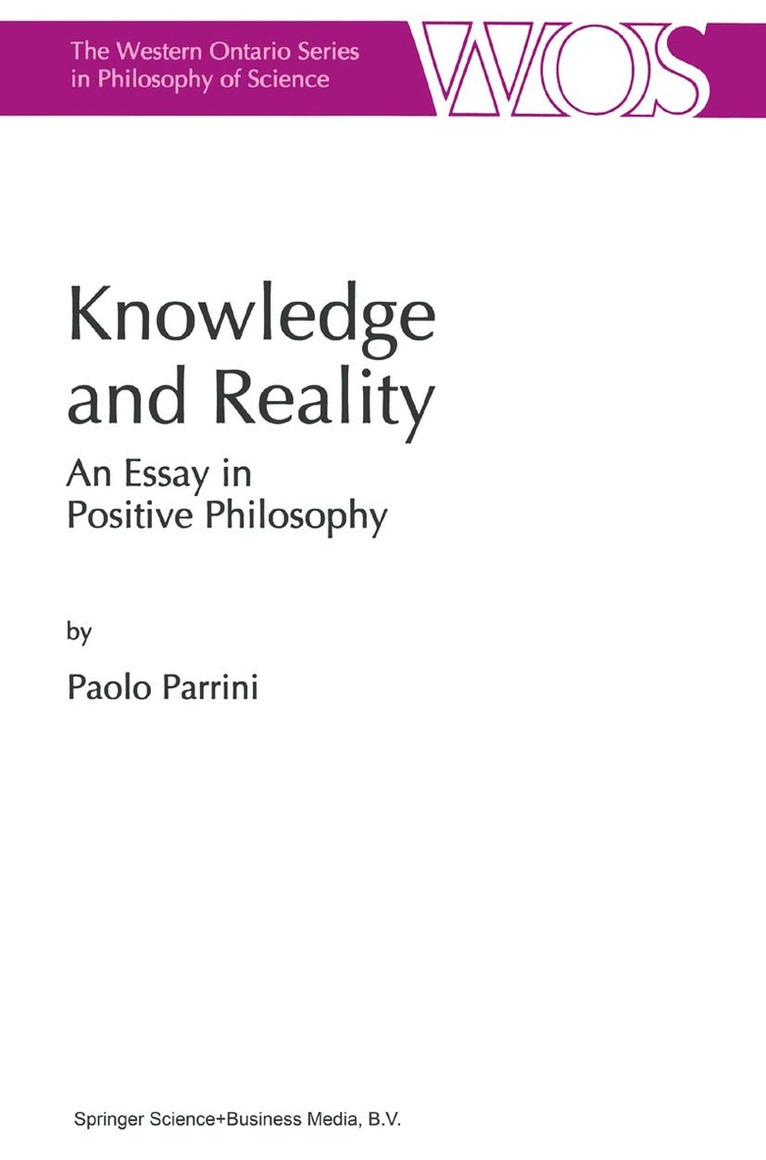
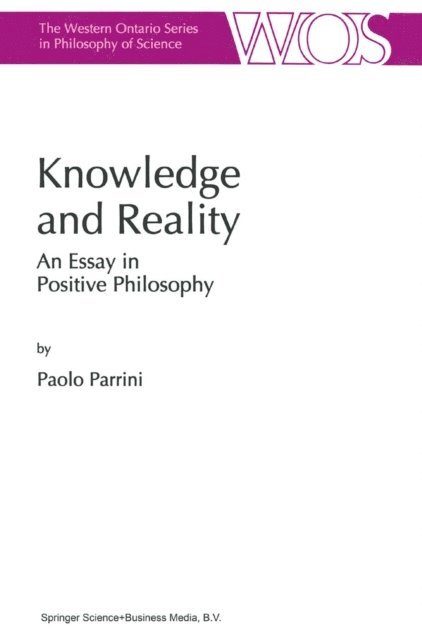
Recent debates in philosophy of science and epistemology are characterized by some strong oppositions, such as those between instrumentalism and scientific realism, methodological anarchism and critical rationalism, historical contextualism and metaphysical realism, naturalism and normativism. By means of a close interaction between historical research and theoretical perspective, this book aims to develop a "third way" between absolutism and radical relativism. This conception is called "positive" because it is linked to the basic features of the esprit positif: empiricism, moderate epistemic relativism, and non-metaphysical objectivism. This book revives the early 20th-century controversy between the immanent and transcendent conception of the object of knowledge, and offers a new interpretation of the relationships between logical positivism, Kantian thought, and conventionalist philosophy of science. According to the author, such a "positive philosophy" is able to counter the "conversational" and post-modern attacks on objectivity and truth.The book is aimed at libraries and research workers in epistemology, philosophy of science, metaphysics, history of philosophy and history of science, and philosophy of language.
1 062 kr
Skickas inom 10-15 vardagar
The current debate in philosophy of science and epistemology is characterised by some strong oppositions, such as those between instrumentalism and scientific realism, methodological anarchism and critical rationalism, historical contextualism and metaphysical realism, naturalism and normativism. By means of a close interaction between historical research and theoretical perspective, this book aims to develop a 'third way' between absolutism and radical relativism. This new conception is called 'positive' because it is linked to the basic features of the esprit positif: empiricism, moderate epistemic relativism, and non-metaphysical objectivism. This book revives the early twentieth century controversy between the immanent and transcendent conception of the object of knowledge, and offers a new interpretation of the relationships between Logical Positivism, Kantian thought, and conventionalist philosophy of science. According to the author, such a 'positive philosophy' is able to counter the 'conversational' and post-modern attacks on objectivity and truth.Knowledge and Reality presents an original view of the status and role of philosophy, spelling out the intrinsic limitations of the analytic approach, together with the reasons that induce the author to place himself within that tradition. Audience: Libraries and research workers in epistemology, philosophy of science, metaphysics, history of philosophy and history of science, and philosophy of language.
2 328 kr
Skickas inom 10-15 vardagar
From the mid-1960s, after the important works by J. Hintikka, S. Körner, W. Sellars and P.F. Strawson, there has been a marked revival of Kantian epistemological thought. Against this background, featuring fruitful exchange between historical research and theoretical prospects, the main point of the book is the discussion of Kantian theory of scientific knowledge from the perspective of present-day analytical philosophy and philosophy of empirical and mathematical sciences. The main topics are the problem of a priori knowledge in logic, mathematics and physics, the distinction between analytic and synthetic judgments, the constitution of physical objectivity and the questions of realism and truth, the Kantian conception of time, causal laws and induction, the relations between Kantian epistemological thought, relativity theory, quantum theory and some recent developments of philosophy of science. The book is addressed to research workers, specialists and scholars in the fields of epistemology, philosophy of science and history of philosophy.