P. Travis Kroeker – författare
Visar alla böcker från författaren P. Travis Kroeker. Handla med fri frakt och snabb leverans.
8 produkter
8 produkter
Häftad, Engelska, 2002
610 kr
Skickas inom 5-8 vardagar
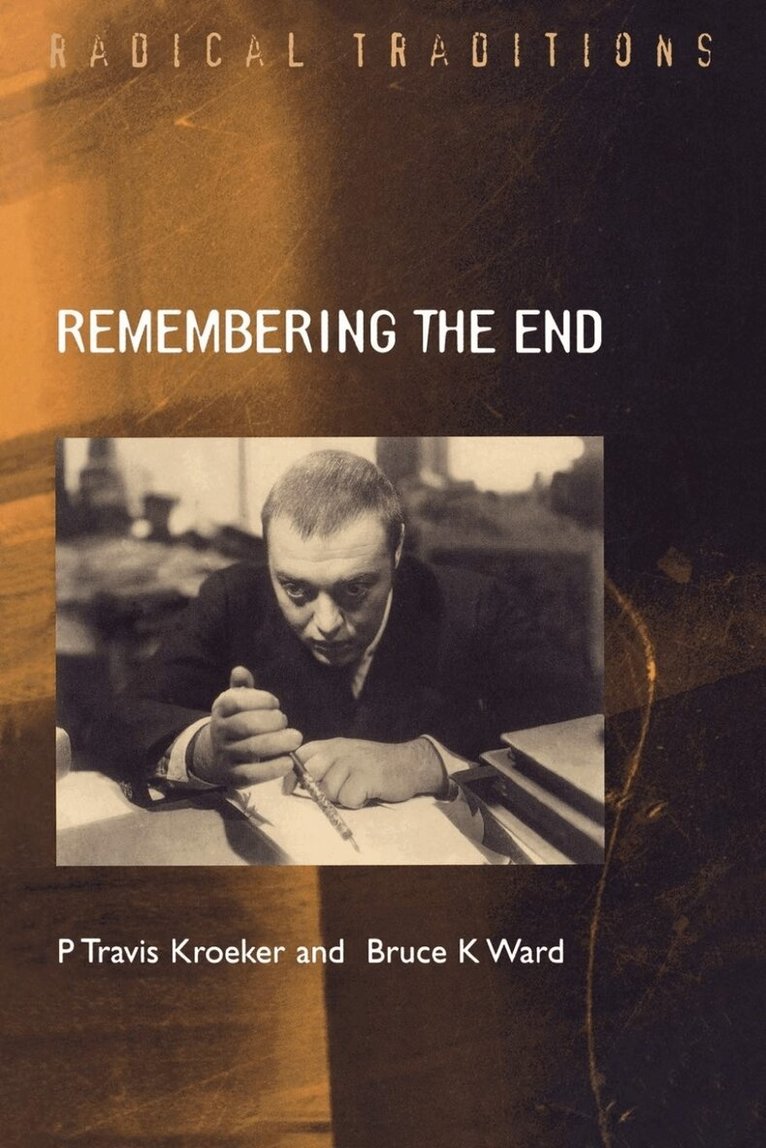
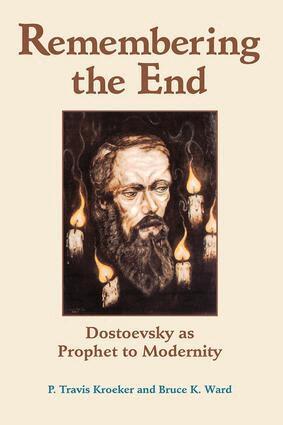
The Dostoevsky scholar Robert Louis Jackson said Dostoevsky's becoming is of course our own becoming: to know Dostoevsky has been to know our own century and ourselves. Remembering the End pursues this notion while elucidating the spiritual realism of Dostoevsky's biblically charged literature. The nineteenth century writer came to be regarded by many readers in the twentieth century as a prophet. But how does Dostoevsky remain prophetic for us now, in the twenty-first century? This book explores and assesses Dostoevsky's critique of modernity, with particular focus on the Grand Inquisitor in The Brothers Karamazov where his prophetic vision finds its most intense expression. Kroeker and Ward show how Dostoevsky's work can help us to remember who we are in this moment in which - as individuals and members of communities - we are required to make critical choices about the meaning of justice, history, truth and happiness. Their book will be of interest to readers in comparative literature, ethics, political theory, philosophy, religious studies and theology.
Inbunden, Engelska, 2019
2 179 kr
Skickas inom 10-15 vardagar
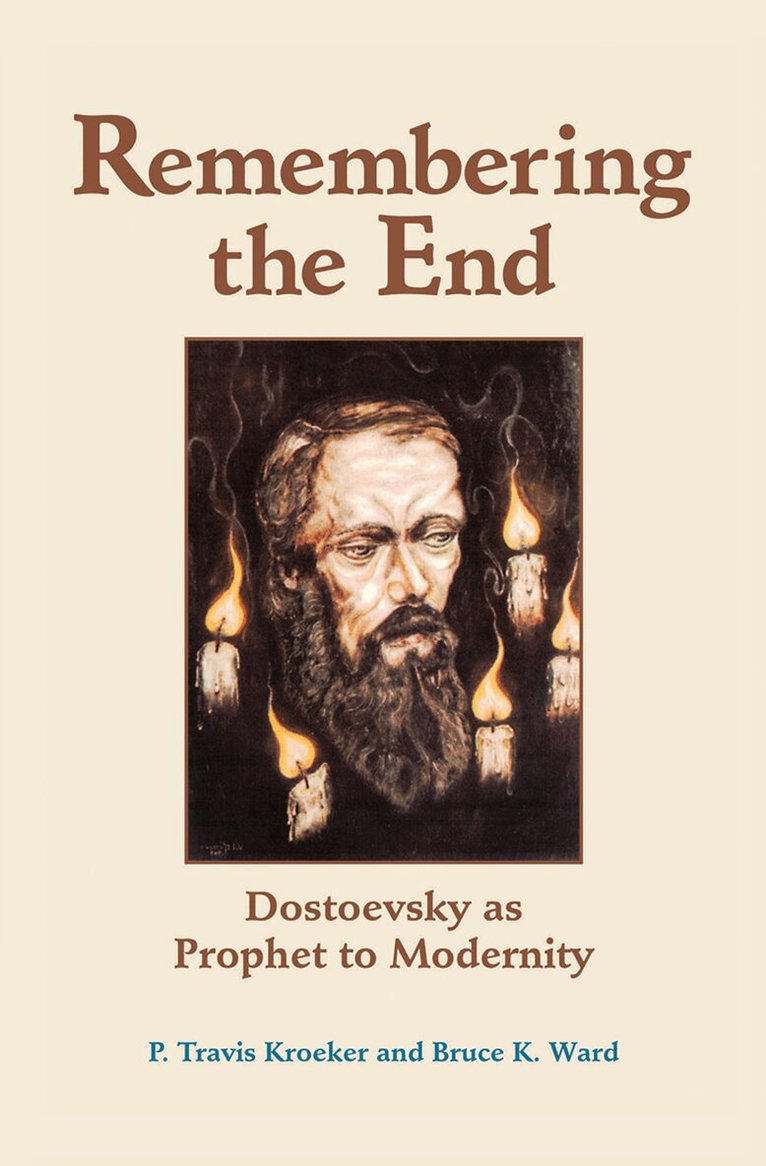
Dostoevsky was one of those writers of the nineteenth century who came to be regarded by many readers in the following century as a prophet. How does he remain prophetic for us now, in the early twenty-first century? Remembering the End explores and assesses Dostoevsky's critique of modernity, with particular focus on the Grand Inquisitor (in The Brothers Karamazov), where his prophetic vision finds its most intense expression. The authors write to elucidate the spiritual realism of Dostoevsky's biblically charged literary art, and to show how it can help us to remember who we are in this modern/postmodern moment in which--as individuals and members of communities--we are required to make critical choices about the meaning of justice, history, truth and happiness. The book will be of interest to readers in comparative literature, ethics, political theory, philosophy, religious studies and theology.
E-bok
PDF, Engelska, 2018811 kr
Läs direkt efter köp
Dostoevsky was one of those writers of the nineteenth century who came to be regarded by many readers in the following century as a prophet. How does he remain prophetic for us now, in the early twenty-first century? Remembering the End explores and assesses Dostoevsky''s critique of modernity, with particular focus on the Grand Inquisitor (in The Brothers Karamazov), where his prophetic vision finds its most intense expression. The authors write to elucidate the spiritual realism of Dostoevsky''s biblically charged literary art, and to show how it can help us to remember who we are in this modern/postmodern moment in which--as individuals and members of communities--we are required to make critical choices about the meaning of justice, history, truth and happiness. The book will be of interest to readers in comparative literature, ethics, political theory, philosophy, religious studies and theology.
E-bok
Engelska, 2018811 kr
Läs direkt efter köp
Dostoevsky was one of those writers of the nineteenth century who came to be regarded by many readers in the following century as a prophet. How does he remain prophetic for us now, in the early twenty-first century? Remembering the End explores and assesses Dostoevsky''s critique of modernity, with particular focus on the Grand Inquisitor (in The Brothers Karamazov), where his prophetic vision finds its most intense expression. The authors write to elucidate the spiritual realism of Dostoevsky''s biblically charged literary art, and to show how it can help us to remember who we are in this modern/postmodern moment in which--as individuals and members of communities--we are required to make critical choices about the meaning of justice, history, truth and happiness. The book will be of interest to readers in comparative literature, ethics, political theory, philosophy, religious studies and theology.
Häftad, Engelska, 2001
814 kr
Skickas inom 10-15 vardagar
Dostoevsky was one of those writers of the nineteenth century who came to be regarded by many readers in the following century as a prophet. How does he remain prophetic for us now, in the early twenty-first century? Remembering the End explores and assesses Dostoevsky's critique of modernity, with particular focus on the Grand Inquisitor (in The Brothers Karamazov ), where his prophetic vision finds its most intense expression. The authors write to elucidate the spiritual realism of Dostoevsky's biblically charged literary art, and to show how it can help us to remember who we are in this modern/postmodern moment in which- as individuals and members of communities- we are required to make critical choices about the meaning of justice, history, truth and happiness. The book will be of interest to readers in comparative literature, ethics, political theory, philosophy, religious studies and theology.
Inbunden, Engelska, 2017
493 kr
Skickas inom 5-8 vardagar
E-bok
Engelska, 2017536 kr
Läs direkt efter köp
Political theology as a normative discourse has been controversial not only for secular political philosophers who are especially suspicious of messianic claims but also for Jewish and Christian thinkers who differ widely on its meaning. These essays mount an argument for a "Messianic Political Theology" rooted in an interpretation of biblical (especially Pauline), Augustinian, and Radical Reformation readings of messianism as a thoroughly political and theological vision that gives rise to what the author calls "Diaspora Ethics." In conversation also with Platonic, Jewish, and Continental thinkers, Kroeker argues for an exilic practice of political ethics in which the secular is built up theologically "from below" in the form of public service that flows from messianic political worship. Such a "weak messianic power" practiced by the messianic body inhabits an apocalyptic political economy in which the mystery of love and the mystery of evil are agonistically unveiled together in the power of the cross--not as an instrument of domination but in the form of the servant. This is not simply a matter of "pacifism" but of a messianic posture rooted in the renunciation of possessive desire that pertains to all aspects of everyday human life in the household (oikos), the academy, and the polis.
Häftad, Engelska, 2017
322 kr
Skickas inom 5-8 vardagar