Paddy Bullard - Böcker
Visar alla böcker från författaren Paddy Bullard. Handla med fri frakt och snabb leverans.
10 produkter
10 produkter
890 kr
Skickas inom 5-8 vardagar
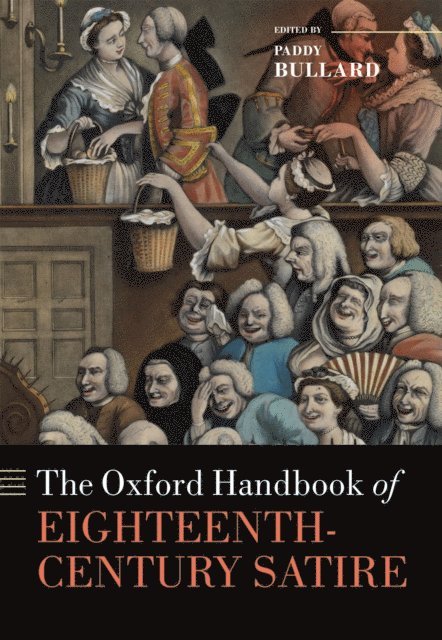
Eighteenth-century Britain thought of itself as a polite, sentimental, enlightened place, but often its literature belied this self-image. This was an age of satire, and the century's novels, poems, plays, and prints resound with mockery and laughter, with cruelty and wit. The street-level invective of Grub Street pamphleteers is full of satire, and the same accents of raillery echo through the high scepticism of the period's philosophers and poets, many of whom were part-time pamphleteers themselves. The novel, a genre that emerged during the eighteenth-century, was from the beginning shot through with satirical colours borrowed from popular romances and scandal sheets. This Handbook is a guide to the different kinds of satire written in English during the 'long' eighteenth-century. It focuses on texts that appeared between the restoration of the Stuart monarchy in 1660 and the outbreak of the French Revolution in 1789. Outlier chapters extend the story back to the first decade of the seventeenth-century, and forward to the second decade of the nineteenth. The scope of the volume is not confined by genre, however. So prevalent was the satirical mode in writing of the age that this book serves as a broad and characteristic survey of its literature. The Oxford Handbook of Eighteenth-Century Satire reflects developments in historical criticism of eighteenth-century writing over the last two decades, and provides a forum in which the widening diversity of literary, intellectual, and socio-historical approaches to the period's texts can come together.
2 221 kr
Skickas inom 5-8 vardagar
Eighteenth century Britain thought of itself as a polite, sentimental, enlightened place, but often its literature belied this self-image. This was an age of satire, and the century's novels, poems, plays, and prints resound with mockery and laughter, with cruelty and wit. The street-level invective of Grub Street pamphleteers is full of satire, and the same accents of raillery echo through the high scepticism of the period's philosophers and poets, many of whom were part-time pamphleteers themselves. The novel, a genre that emerged during the eighteenth century, was from the beginning shot through with satirical colours borrowed from popular romances and scandal sheets. This Handbook is a guide to the different kinds of satire written in English during the 'long' eighteenth century. It focuses on texts that appeared between the restoration of the Stuart monarchy in 1660 and the outbreak of the French Revolution in 1789. Outlier chapters extend the story back to first decade of the seventeenth century, and forward to the second decade of the nineteenth. The scope of the volume is not confined by genre, however. So prevalent was the satirical mode in writing of the age that this book serves as a broad and characteristic survey of its literature. The Oxford Handbook of Eighteenth-Century Satire reflects developments in historical criticism of eighteenth-century writing over the last two decades, and provides a forum in which the widening diversity of literary, intellectual, and socio-historical approaches to the period's texts can come together.
1 540 kr
Skickas inom 7-10 vardagar
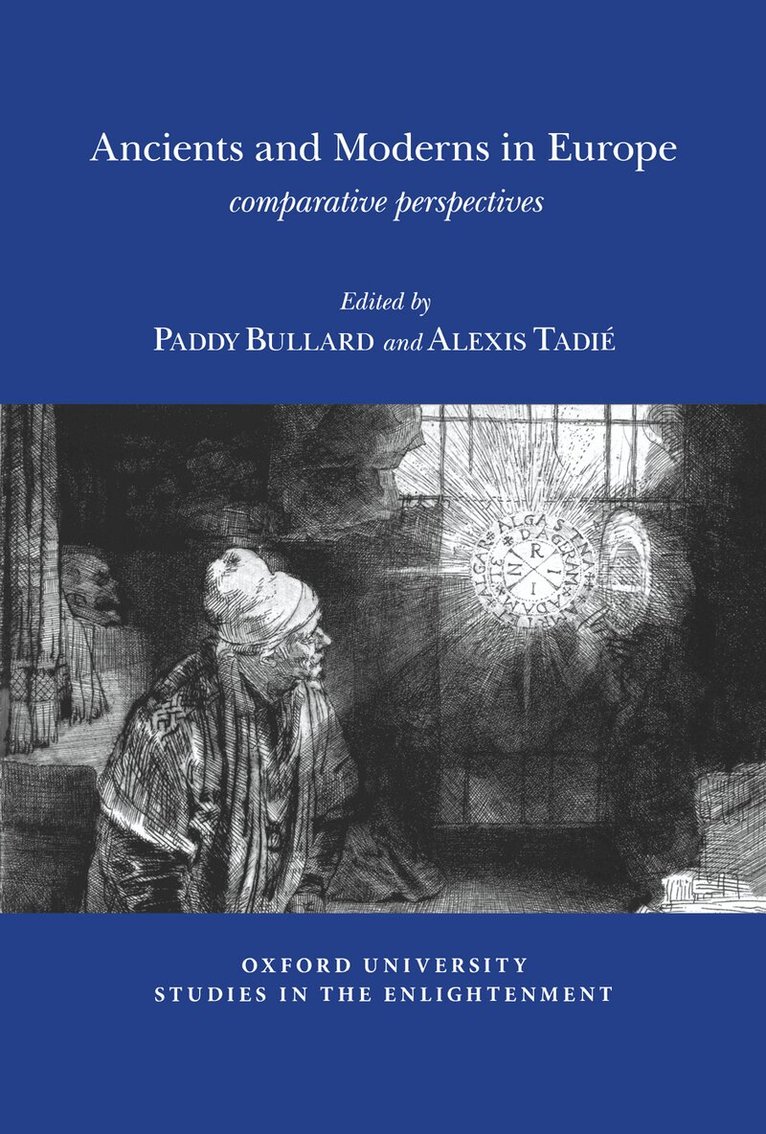
The Querelle des Anciens et des Modernes, or Battle of the Books as it was known in England, famously pitted the Ancients on the one side and the Moderns on the other. This book presents a new intellectual history of the dispute, in which authors explore its manifestations across Europe in the arts and sciences, from the sixteenth to the eighteenth centuries.By paying close attention to local institutional contexts for the Querelle, contributors yield a complex picture of the larger debate. In intellectual life, authors uncover how the debate affected the publication of antiquarian scholarship, and how it became part of discussions in London coffee houses and the periodical press. Authors also position the Low Countries as the true pivot for a modernistic realignment of intellectual method, with concomitant rather than centralised developments in England and France. The volume is particularly concerned with the realisation of the Querelle in the realm of artistic and technical practice. Marrying modern approaches with ancient sympathies was fraught with difficulties, as contributors attest in analyses on musical writing, painting and the ‘querelle du coloris’, architectural practice and medical rhetorics. Tracing the deeper cultural resonances of the dispute, authors conclude by revealing how it fostered a new tendency to cultural self-reflection throughout Europe. Together, these contributions demonstrate how the Querelle acted as a leading principle for the configuration of knowledge across the arts and sciences throughout the early modern period, and also emphasise the links between historical debates and our contemporary understanding of what it means to be ‘modern’.
442 kr
Skickas inom 7-10 vardagar
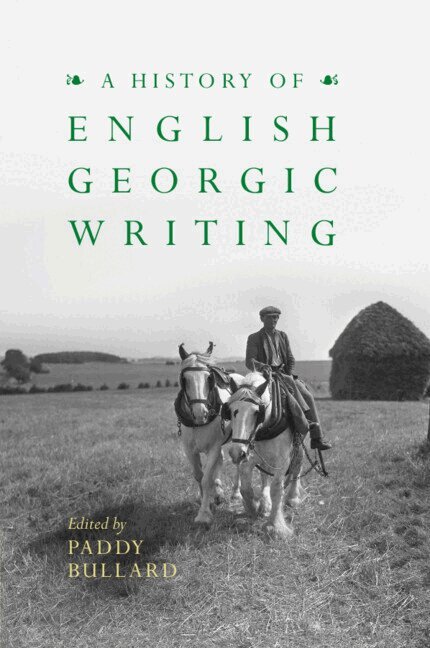
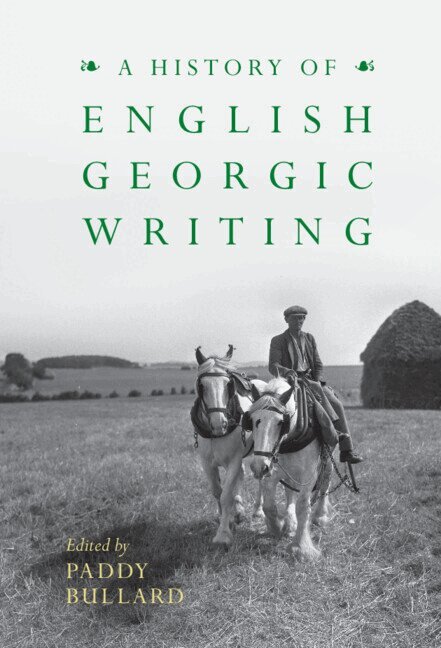
The interconnected themes of land and labour were a common recourse for English literary writers between the sixteenth and twentieth centuries, and in the twenty-first they have become pressing again in the work of nature writers, environmentalists, poets, novelists and dramatists. Written by a team of sixteen subject specialists, this volume surveys the literature of rural working lives and landscapes written in English between 1500 and the present day, offering a range of scholarly perspectives on the georgic tradition, with insights from literary criticism, historical scholarship, classics, post-colonial studies, rural studies and ecocriticism. Providing an overview of the current scholarship in georgic literature and criticism, this collection argues that the work of people and animals in farming communities, and the land as it is understood through that work, has provided writers in English with one of their most complex and enduring themes.
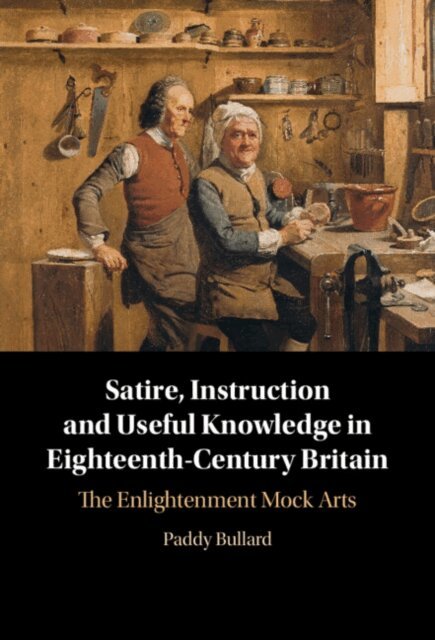
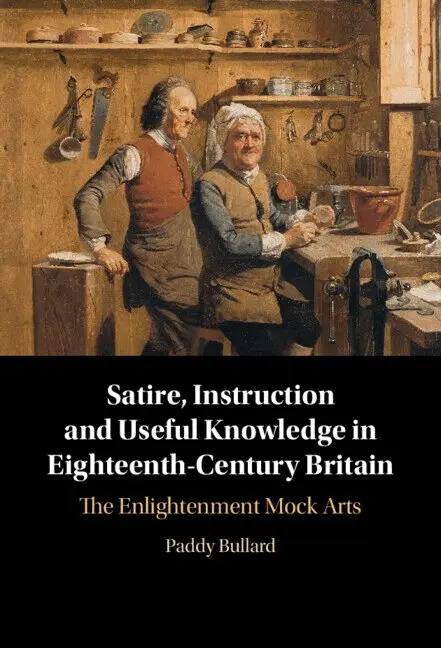
Satire, Instruction and Useful Knowledge in Eighteenth-Century Britain
The Enlightenment Mock Arts
Inbunden, Engelska, 2025
1 371 kr
Skickas inom 7-10 vardagar
Long before the Industrial Revolution was deplored by the Romantics or documented by the Victorians, eighteenth-century British writers were thinking deeply about the function of literature in an age of invention. They understood the significance of 'how-to' knowledge and mechanical expertise to their contemporaries. Their own framing of this knowledge, however, was invariably satirical, critical, and oblique. While others compiled encyclopaedias and manuals, they wrote 'mock arts'. This satirical sub-genre shaped (among other works) Swift's Gulliver's Travels, Sterne's Tristram Shandy, and Edgeworth's Belinda. Eighteenth-century satirists and poets submitted to a general paradox: the nature of human skilfulness obliged them to write in an indirect and unpractical way about the practical world. As a result, their explorations of mechanical expertise eschewed useable descriptions of the mechanical trades. They wrote instead a long and peculiar line of books that took apart the very idea of an instructional literature: the Enlightenment Mock Arts.
1 371 kr
Skickas inom 7-10 vardagar
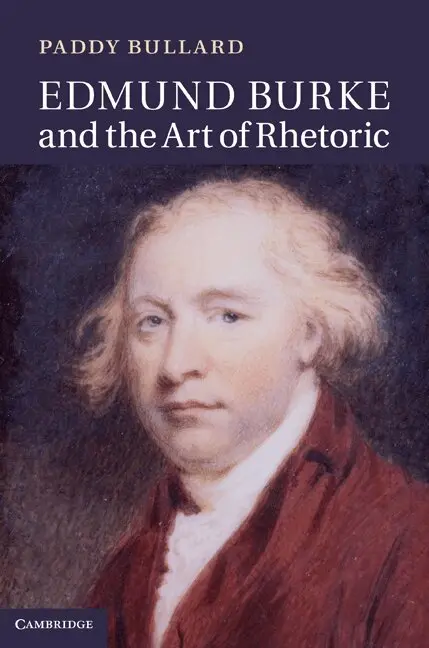
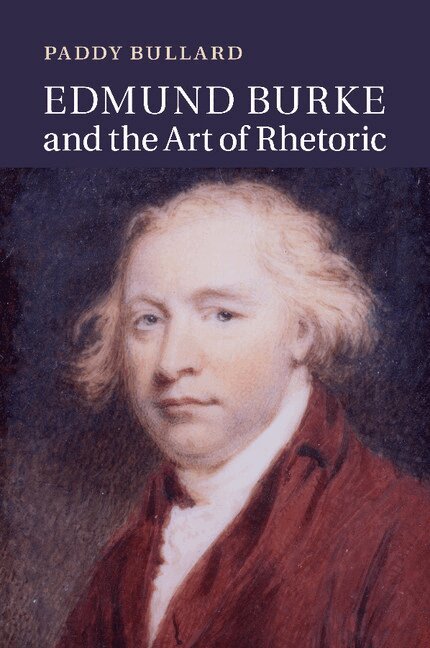
Edmund Burke ranks among the most accomplished orators ever to debate in the British Parliament. But often his eloquence has been seen to compromise his achievements as a political thinker. In the first full-length account of Burke's rhetoric, Bullard argues that Burke's ideas about civil society, and particularly about the process of political deliberation, are, for better or worse, shaped by the expressiveness of his language. Above all, Burke's eloquence is designed to express ethos or character. This rhetorical imperative is itself informed by Burke's argument that the competency of every political system can be judged by the ethical knowledge that the governors have of both the people that they govern and of themselves. Bullard finds the intellectual roots of Burke's 'rhetoric of character' in early modern moral and aesthetic philosophy, and traces its development through Burke's parliamentary career to its culmination in his masterpiece, Reflections on the Revolution in France.
1 431 kr
Skickas inom 7-10 vardagar
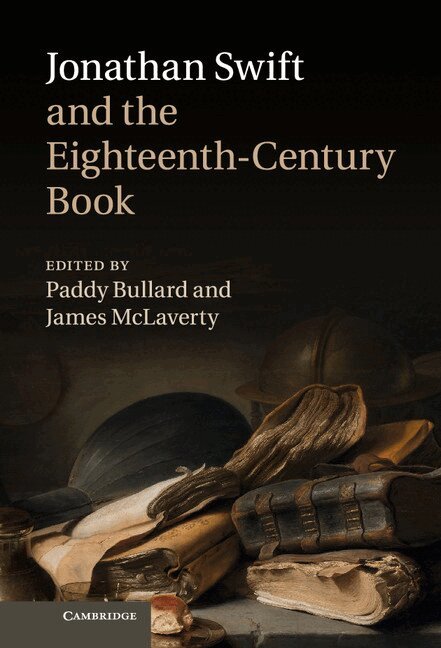
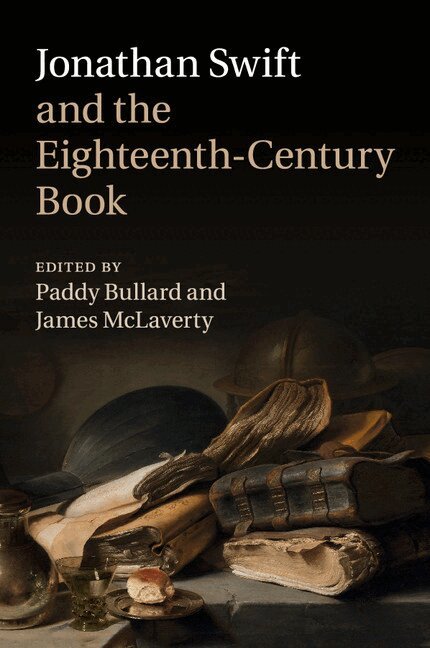
Jonathan Swift lived through a period of turbulence and innovation in the evolution of the book. His publications, perhaps more than those of any other single author, illustrate the range of developments that transformed print culture during the early Enlightenment. Swift was a prolific author and a frequent visitor at the printing house, and he wrote as critic and satirist about the nature of text. The shifting moods of irony, complicity and indignation that characterise his dealings with the book trade add a layer of complexity to the bibliographic record of his published works. The essays collected here offer the first comprehensive, integrated survey of that record. They shed new light on the politics of the eighteenth-century book trade, on Swift's innovations as a maker of books, on the habits and opinions revealed by his commentary on printed texts and on the re-shaping of the Swiftian book after his death.
614 kr
Skickas inom 7-10 vardagar
Edmund Burke ranks among the most accomplished orators ever to debate in the British Parliament. But often his eloquence has been seen to compromise his achievements as a political thinker. In the first full-length account of Burke's rhetoric, Bullard argues that Burke's ideas about civil society, and particularly about the process of political deliberation, are, for better or worse, shaped by the expressiveness of his language. Above all, Burke's eloquence is designed to express ethos or character. This rhetorical imperative is itself informed by Burke's argument that the competency of every political system can be judged by the ethical knowledge that the governors have of both the people that they govern and of themselves. Bullard finds the intellectual roots of Burke's 'rhetoric of character' in early modern moral and aesthetic philosophy, and traces its development through Burke's parliamentary career to its culmination in his masterpiece, Reflections on the Revolution in France.
1 473 kr
Skickas inom 7-10 vardagar
The interconnected themes of land and labour were a common recourse for English literary writers between the sixteenth and twentieth centuries, and in the twenty-first they have become pressing again in the work of nature writers, environmentalists, poets, novelists and dramatists. Written by a team of sixteen subject specialists, this volume surveys the literature of rural working lives and landscapes written in English between 1500 and the present day, offering a range of scholarly perspectives on the georgic tradition, with insights from literary criticism, historical scholarship, classics, post-colonial studies, rural studies and ecocriticism. Providing an overview of the current scholarship in georgic literature and criticism, this collection argues that the work of people and animals in farming communities, and the land as it is understood through that work, has provided writers in English with one of their most complex and enduring themes.
493 kr
Skickas inom 7-10 vardagar
Jonathan Swift lived through a period of turbulence and innovation in the evolution of the book. His publications, perhaps more than those of any other single author, illustrate the range of developments that transformed print culture during the early Enlightenment. Swift was a prolific author and a frequent visitor at the printing house, and he wrote as critic and satirist about the nature of text. The shifting moods of irony, complicity and indignation that characterise his dealings with the book trade add a layer of complexity to the bibliographic record of his published works. The essays collected here offer the first comprehensive, integrated survey of that record. They shed new light on the politics of the eighteenth-century book trade, on Swift's innovations as a maker of books, on the habits and opinions revealed by his commentary on printed texts and on the re-shaping of the Swiftian book after his death.