Pak Tee Ng – författare
Visar alla böcker från författaren Pak Tee Ng. Handla med fri frakt och snabb leverans.
6 produkter
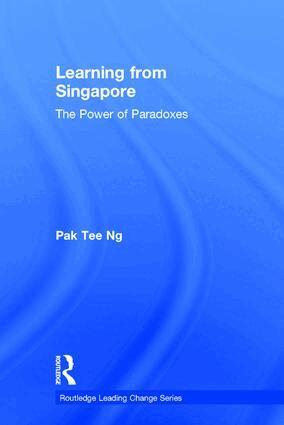
Learning from Singapore
The Power of Paradoxes
Av Pak Tee Ng
Inbunden, 2017
2666 kr
Lägg i varukorg
Learning from Singapore tells the inside story of the country’s journey in transforming its education system from a struggling one to one that is hailed internationally as effective and successful. It is a story not of the glory of international test results, but of the hard work and tenacity of a …
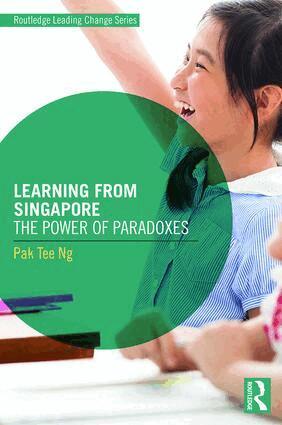
Learning from Singapore
The Power of Paradoxes
Av Pak Tee Ng
Häftad, 2017
431 kr
Lägg i varukorg
Learning from Singapore tells the inside story of the country’s journey in transforming its education system from a struggling one to one that is hailed internationally as effective and successful. It is a story not of the glory of international test results, but of the hard work and tenacity of a …
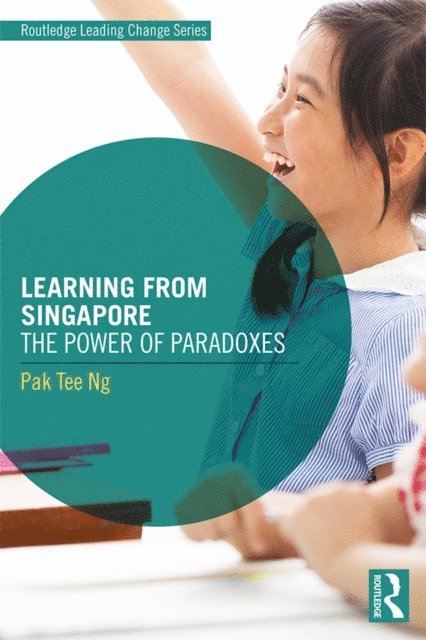
Learning from Singapore
The Power of Paradoxes
Av Pak Tee Ng
E-bok, 2017
494 kr
Lägg i varukorg
Learning from Singapore tells the inside story of the country’s journey in transforming its education system from a struggling one to one that is hailed internationally as effective and successful. It is a story not of the glory of international test results, but of the hard work and tenacity of a …
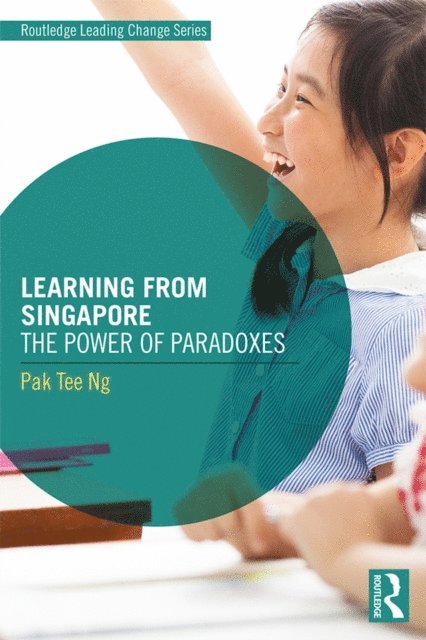
Learning from Singapore
The Power of Paradoxes
Av Pak Tee Ng
E-bok, 2017
490 kr
Lägg i varukorg
Learning from Singapore tells the inside story of the country’s journey in transforming its education system from a struggling one to one that is hailed internationally as effective and successful. It is a story not of the glory of international test results, but of the hard work and tenacity of a …
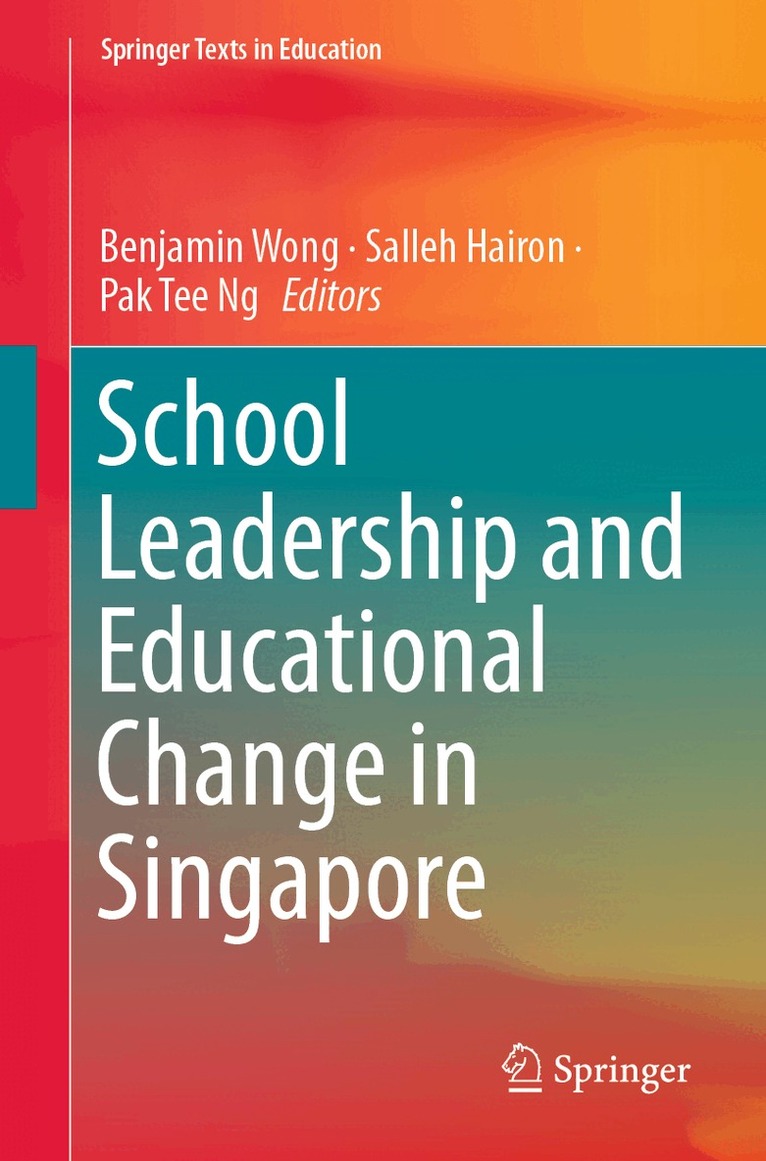
School Leadership and Educational Change in Singapore
Av Benjamin Wong, Salleh Hairon m. fl.
Häftad, 2019
748 kr
Lägg i varukorg
This book provides readers with insights into how Singapore school leaders are actively engaged in the transformation of the Singapore education system. It brings to attention crucial elucidations of the increasing demand and complexity placed on school leaders through the use of case studies. Each …
School Leadership and Educational Change in Singapore
Av Pak Tee Ng, Salleh Hairon m. fl.
E-bok, 2019
950 kr
Lägg i varukorg
This book provides readers with insights into how Singapore school leaders are actively engaged in the transformation of the Singapore education system. It brings to attention crucial elucidations of the increasing demand and complexity placed on school leaders through the use of case studies. Each …