Pamela L. Geller - Böcker
Visar alla böcker från författaren Pamela L. Geller. Handla med fri frakt och snabb leverans.
7 produkter
7 produkter
312 kr
Skickas inom 10-15 vardagar
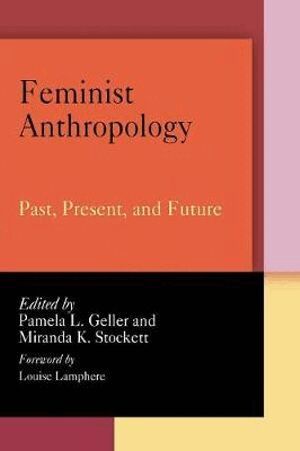
Bringing together distinguished scholars and original voices from anthropology's diverse subfields, Feminist Anthropology: Past, Present, and Future probes critical issues in the study of gender, sex, and sexuality. Contributors offer significant reflections on feminist anthropology's winding trajectory. In so doing, they examine what it means to practice feminist anthropology today, at a time when the field is perceived as fragmented and contentious.By uniting around shared feminist concerns, Feminist Anthropology establishes a common ground for varied practitioners. A holistic perspective allows for effective and creative dialogue on such issues as performativity, pedagogy, heteronormativity, difference, and identity. In addition, the volume provides a vital assessment of the history and current state of feminist theorizing within the discipline as a whole by identifying three issues central to future feminist analyses: the critical reenvisioning of old interpretations, the political and practical aspects of the academy, and the critique of heteronormativity. Throughout the volume, these topics are explored, deconstructed, and transformed.The enduring contribution of Feminist Anthropology book lies in its contributors' efforts to place their work within the larger context of social theory, while acknowledging and focusing on the realities of anthropological practice and politics.
3 107 kr
Skickas inom 10-15 vardagar
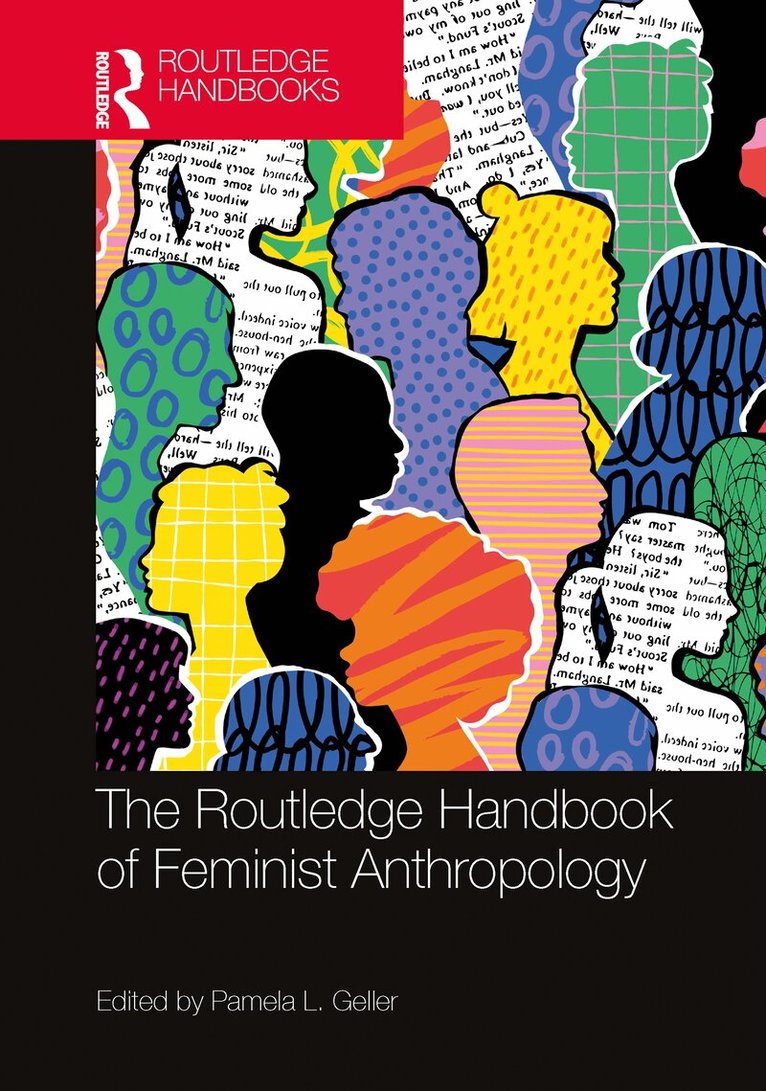
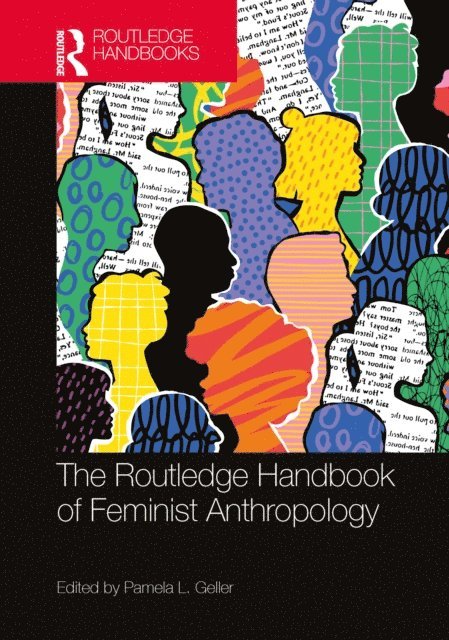
The Routledge Handbook of Feminist Anthropology is a comprehensive inter- and intradisciplinary survey of the field of feminist anthropology. It has at its core a focus on raising consciousness and communicating information about gender inequities, suffering, and precarity, as well as furthering a praxis informed by intersectionality, decolonial intent, and compassion.Divided into three clear parts and comprising 34 chapters by an international team of contributors, the Handbook addresses topics in the following key areas:resisting violencecommunicating creativelylabormigration and displacementhealth and diseasereproductionintersectionalitydecolonial work.The collection assesses the field at an interesting moment in time—one defined by social justice and populist movements gone global; once and future pandemics; extreme environmental disasters; and neoliberalism interrupted. How do gender, sex, and sexuality intersect with these phenomena? In answer, contributors to this volume put a heterogeneous anthropological approach in place; they advance interdisciplinary conversations, as well as renew a commitment to intradisciplinary dialogue.The Routledge Handbook of Feminist Anthropology is essential reading for students, researchers, and instructors in anthropology, and will also be of interest to those in related disciplines such as gender studies, queer studies, economics, biomedicine, political science, sociology, geography, and science and technology studies.
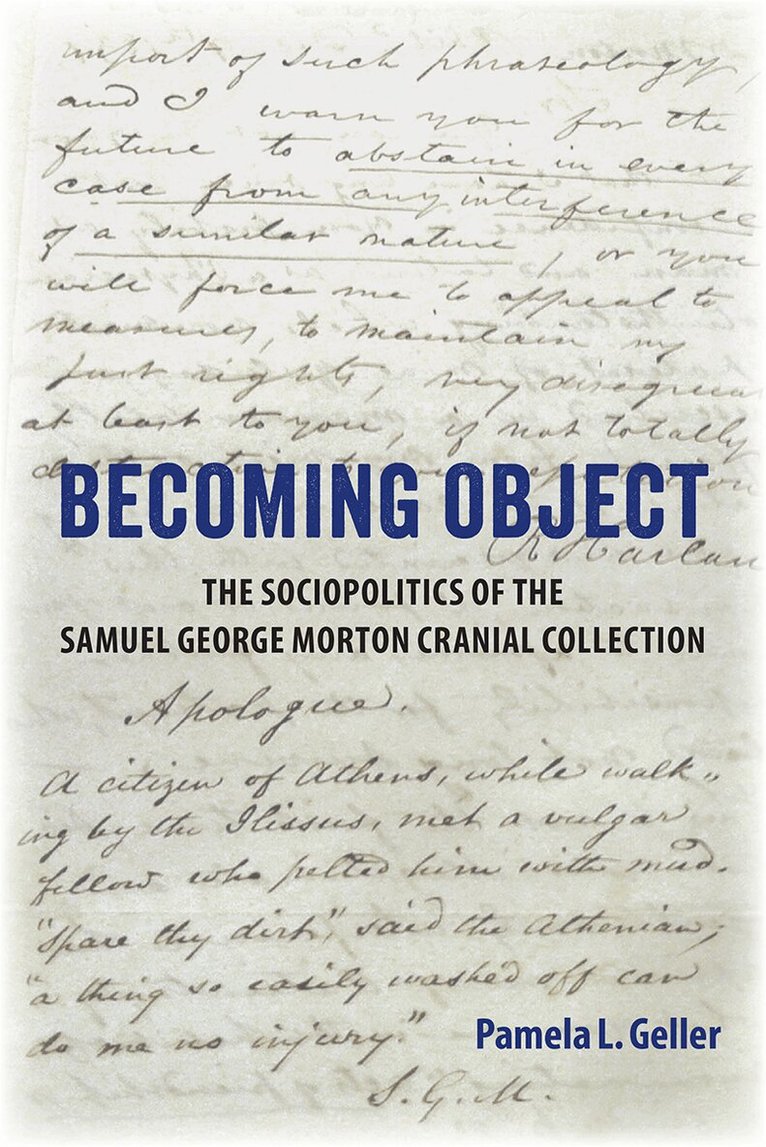
Becoming Object
The Sociopolitics of the Samuel George Morton Cranial Collection
Inbunden, Engelska, 2024
1 211 kr
Skickas inom 10-15 vardagar
A biohistoric investigation of a controversial museum collectionThis book considers the vast collection of skulls amassed by Samuel Morton in the first half of the nineteenth century. Craniometric studies undertaken by this Philadelphia physician and natural historian, as previous writers have noted, advanced scientific racism. In Becoming Object, Pamela Geller shows that while the characterization is accurate, it is also oversimplified. Geller uses a biohistoric approach, which examines skeletal remains and archival sources, to take a close look at the times in which Morton lived, his work, and its complicated legacy.During a pivotal moment in US history—an interlude between the nation’s cohesion and its civil unraveling—Morton and colleagues encouraged and developed biomedical interventions, public health initiatives, and scientific standards. Yet they also represented certain populations as biologically inferior; diseases were tied to non-white races, suffering was gendered female, and poverty was presumed inherited. Efforts by Morton and colleagues made it easier to rationalize the deaths of disenfranchised individuals, collect their skulls from almshouse hospitals and battlefields, and transform them into objects. Ultimately, these men’s studies of diseases and skulls contributed to an understanding of American citizenship that valued whiteness, Christianity, and heroic masculinity defined by violence.Though medicine came to repudiate Morton’s work, his thinking became foundational for anthropology. The Morton Collection, a tangible reminder of his legacy, has become a barometer of the discipline’s relationship to white supremacy and colonialism. To advance today’s decolonial efforts, Becoming Object turns to the Morton Collection to document the diverse lives excluded from the body politic. To recount their stories, as Geller does, is to counter official histories, while the silences that remain hint at the subtle machinations of necropolitics.
Becoming Object
The Sociopolitics of the Samuel George Morton Cranial Collection
Häftad, Engelska, 2024
377 kr
Skickas inom 10-15 vardagar
A biohistoric investigation of a controversial museum collectionThis book considers the vast collection of skulls amassed by Samuel Morton in the first half of the nineteenth century. Craniometric studies undertaken by this Philadelphia physician and natural historian, as previous writers have noted, advanced scientific racism. In Becoming Object, Pamela Geller shows that while the characterization is accurate, it is also oversimplified. Geller uses a biohistoric approach, which examines skeletal remains and archival sources, to take a close look at the times in which Morton lived, his work, and its complicated legacy.During a pivotal moment in US history—an interlude between the nation’s cohesion and its civil unraveling—Morton and colleagues encouraged and developed biomedical interventions, public health initiatives, and scientific standards. Yet they also represented certain populations as biologically inferior; diseases were tied to non-white races, suffering was gendered female, and poverty was presumed inherited. Efforts by Morton and colleagues made it easier to rationalize the deaths of disenfranchised individuals, collect their skulls from almshouse hospitals and battlefields, and transform them into objects. Ultimately, these men’s studies of diseases and skulls contributed to an understanding of American citizenship that valued whiteness, Christianity, and heroic masculinity defined by violence.Though medicine came to repudiate Morton’s work, his thinking became foundational for anthropology. The Morton Collection, a tangible reminder of his legacy, has become a barometer of the discipline’s relationship to white supremacy and colonialism. To advance today’s decolonial efforts, Becoming Object turns to the Morton Collection to document the diverse lives excluded from the body politic. To recount their stories, as Geller does, is to counter official histories, while the silences that remain hint at the subtle machinations of necropolitics.
1 527 kr
Skickas inom 10-15 vardagar
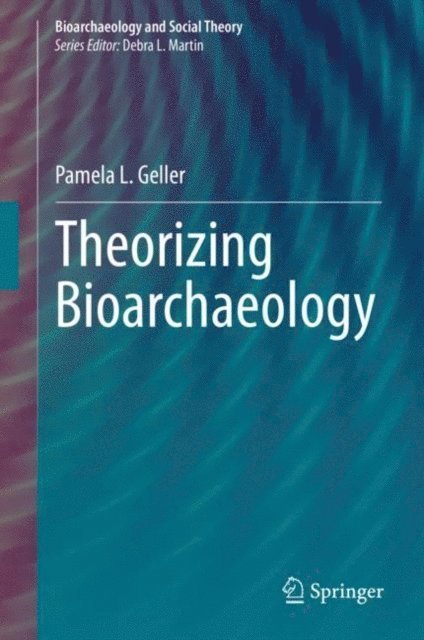
These concepts can deepen study of plasticity, disease, gender, violence, and race and ethnicity, as well as advance the field’s decolonization efforts.This book also works to overcome the challenges presented by dense social theorizing, which has paid little attention to real bodies.
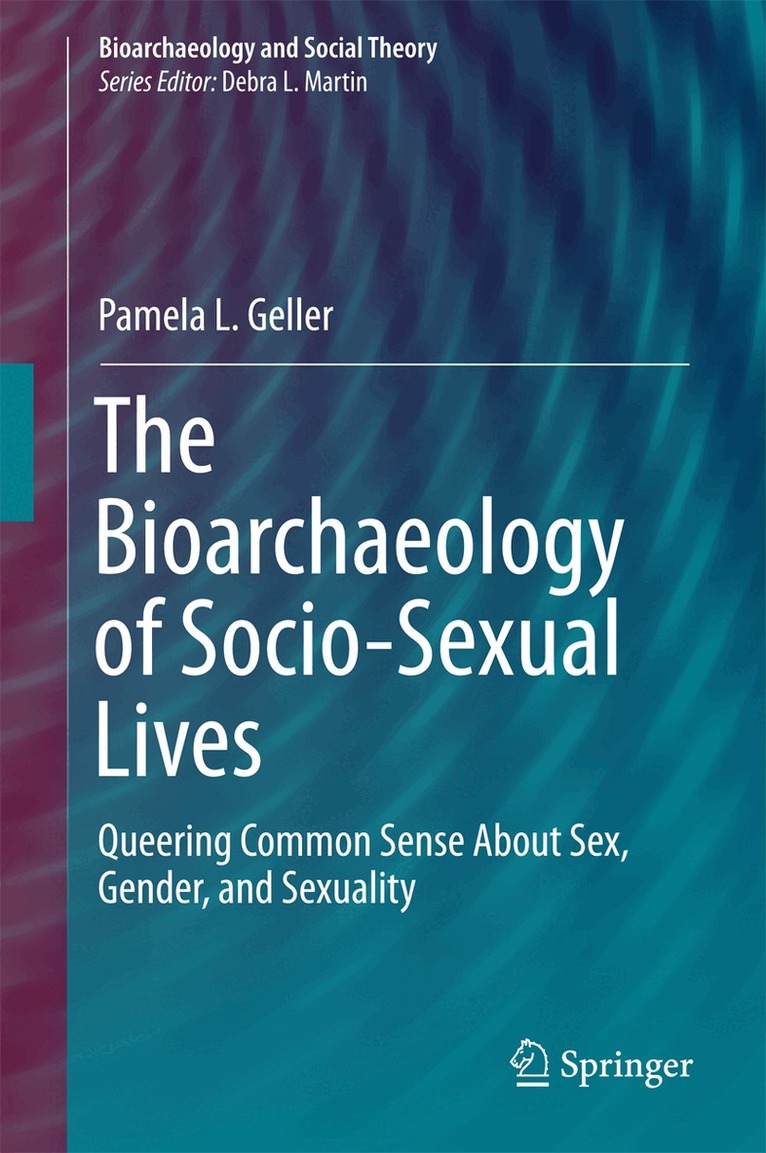
Bioarchaeology of Socio-Sexual Lives
Queering Common Sense About Sex, Gender, and Sexuality
Inbunden, Engelska, 2016
1 133 kr
Skickas inom 10-15 vardagar
This volume uses bioarchaeological remains to examine the complexities and diversity of past socio-sexual lives. This book does not begin with the presumption that certain aspects of sex, gender, and sexuality are universal and longstanding. Rather, the case studies within—extend from Neolithic Europe to pre-Columbian Mesoamerica to the nineteenth-century United States—highlight the importance of culturally and historically contextualizing socio-sexual beliefs and practices.The Bioarchaeology of Socio-Sexual Lives highlights a major shortcoming in many scholarly and popular presentations of past socio-sexual lives. They reveal little about the ancient or historic group under study and much about Western society’s modern state of heteronormative affairs. To interrogate commonsensical thinking about socio-sexual identities and interactions, this volume draws from critical feminist and queer studies. Reciprocally, bioarchaeological studies extend social theorizing about sex, gender, and sexuality that emphasizes the modern, conceptual, and discursive. Ultimately, The Bioarchaeology of Socio-Sexual Lives invites readers to think more deeply about humanity’s diversity, the naturalization of culture, and the past’s presentation in mass-media communications.
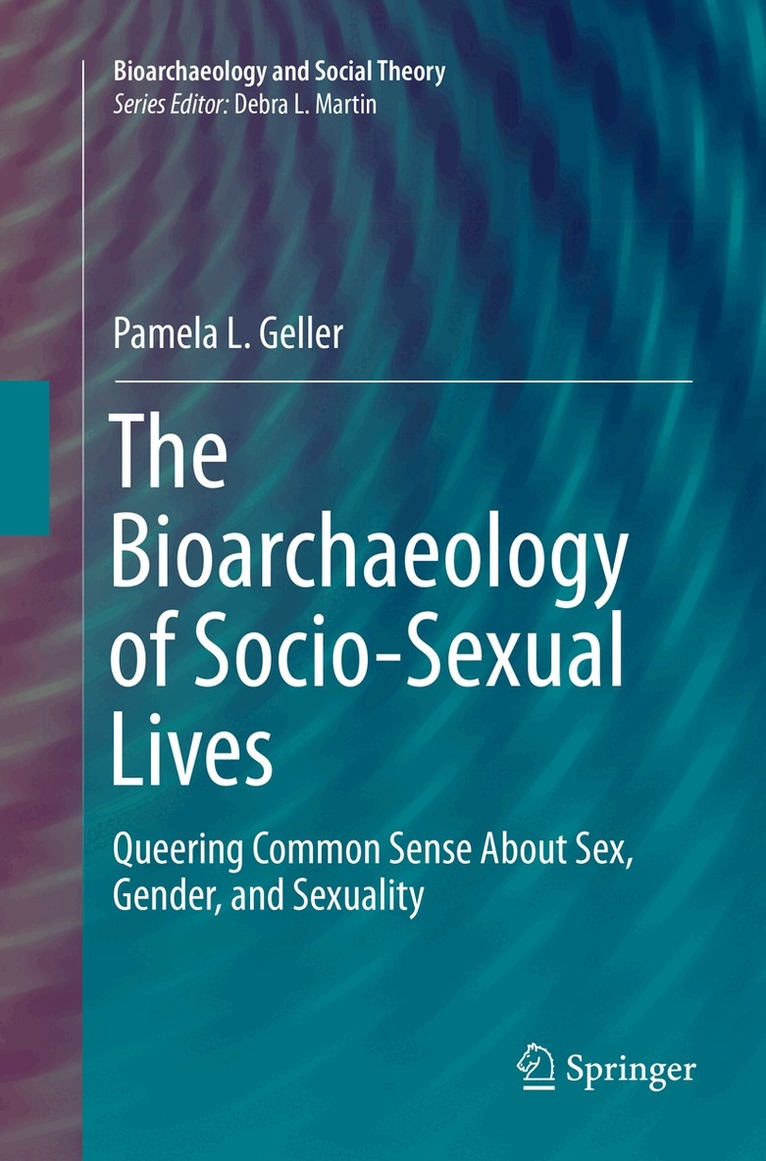
Bioarchaeology of Socio-Sexual Lives
Queering Common Sense About Sex, Gender, and Sexuality
Häftad, Engelska, 2018
1 201 kr
Skickas inom 10-15 vardagar
This volume uses bioarchaeological remains to examine the complexities and diversity of past socio-sexual lives. This book does not begin with the presumption that certain aspects of sex, gender, and sexuality are universal and longstanding. Rather, the case studies within—extend from Neolithic Europe to pre-Columbian Mesoamerica to the nineteenth-century United States—highlight the importance of culturally and historically contextualizing socio-sexual beliefs and practices.The Bioarchaeology of Socio-Sexual Lives highlights a major shortcoming in many scholarly and popular presentations of past socio-sexual lives. They reveal little about the ancient or historic group under study and much about Western society’s modern state of heteronormative affairs. To interrogate commonsensical thinking about socio-sexual identities and interactions, this volume draws from critical feminist and queer studies. Reciprocally, bioarchaeological studies extend social theorizing about sex, gender, and sexuality that emphasizes the modern, conceptual, and discursive. Ultimately, The Bioarchaeology of Socio-Sexual Lives invites readers to think more deeply about humanity’s diversity, the naturalization of culture, and the past’s presentation in mass-media communications.