Pamela Nightingale – författare
Visar alla böcker från författaren Pamela Nightingale. Handla med fri frakt och snabb leverans.
17 produkter
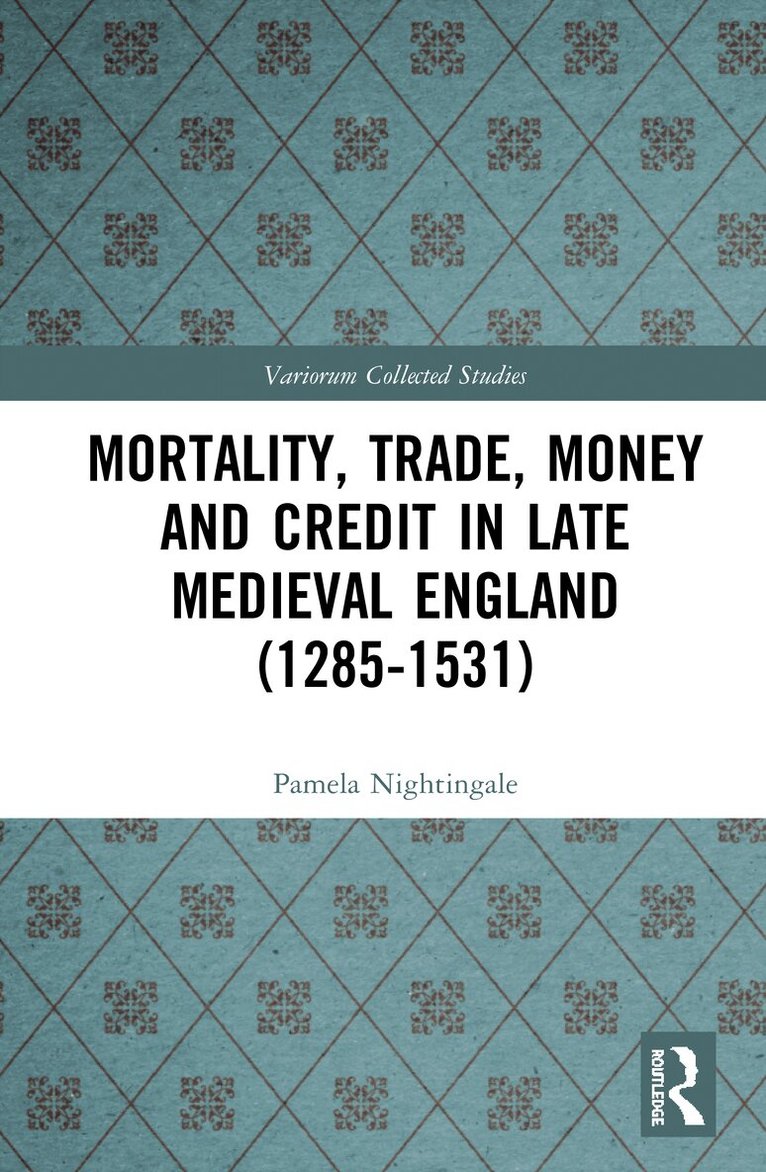
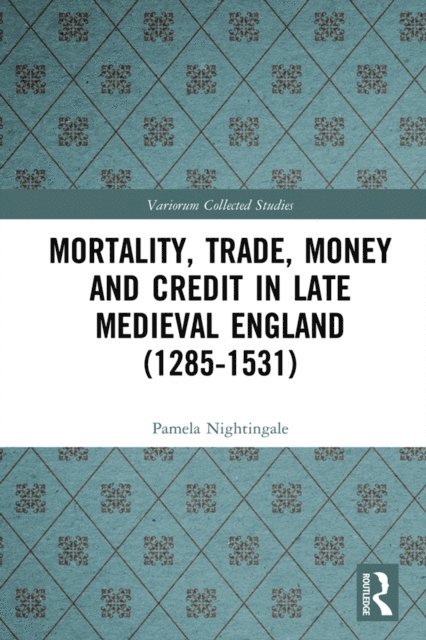
Mortality, Trade, Money and Credit in Late Medieval England (1285-1531)
Inbunden, 2020
2826 kr
Lägg i varukorg
The eleven articles in this volume examine controversial subjects of central importance to medieval economic historians. Topics include the relative roles played by money and credit in financing the economy, whether credit could compensate for shortages of coin, and whether it could counteract the …
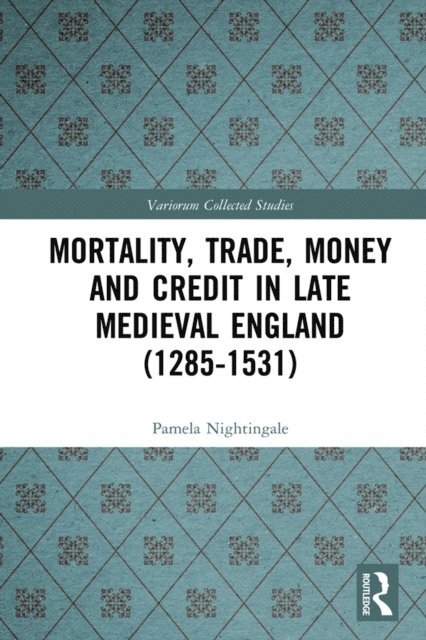
Mortality, Trade, Money and Credit in Late Medieval England (1285-1531)
Häftad, 2022
725 kr
Lägg i varukorg
The eleven articles in this volume examine controversial subjects of central importance to medieval economic historians. Topics include the relative roles played by money and credit in financing the economy, whether credit could compensate for shortages of coin, and whether it could counteract the …
Macartney at Kashgar
New Light on British, Chinese and Russian Activities in Sinkiang, 1890-1918
Av Pamela Nightingale, C.P. Skrine
Inbunden, 2005
4343 kr
Lägg i varukorg
First published in 1973.This book describes the career of Sir George Macartney, who spent twenty-eight years at the turn of the nineteenth century as British representative in Sinkiang, China's most westerly province.Macartney was in a unique position to observe political and diplomatic manoeuvres …
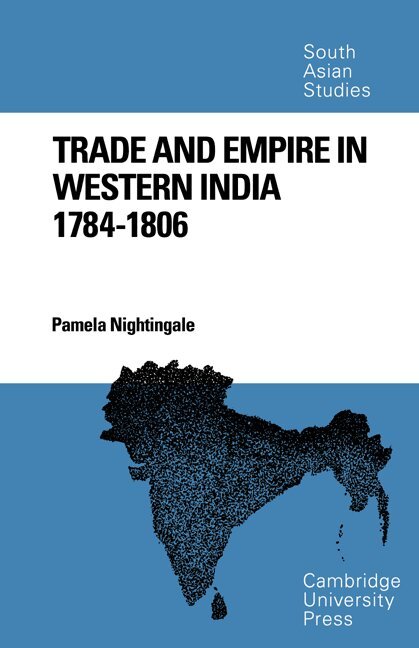
Trade and Empire in Western India
1784-1806
Häftad, 2007
574 kr
Lägg i varukorg
This study examines the influence of commercial interests on the expansion of the British Empire in Western India in the age of Cornwallis and Wellesley. It questions some of the assumptions which have been accepted as explanations of British imperialism in that part of India. The chief of these is …
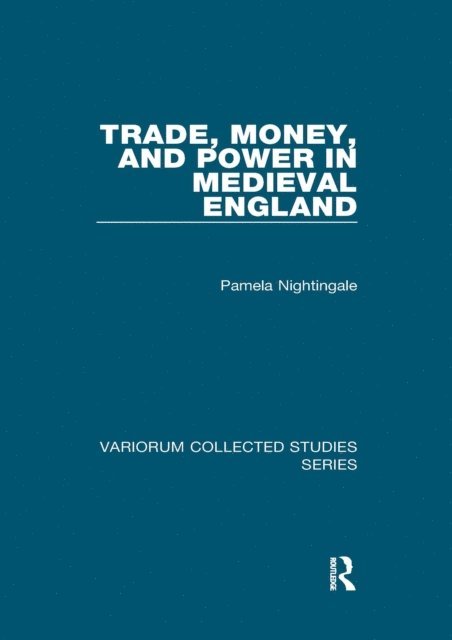
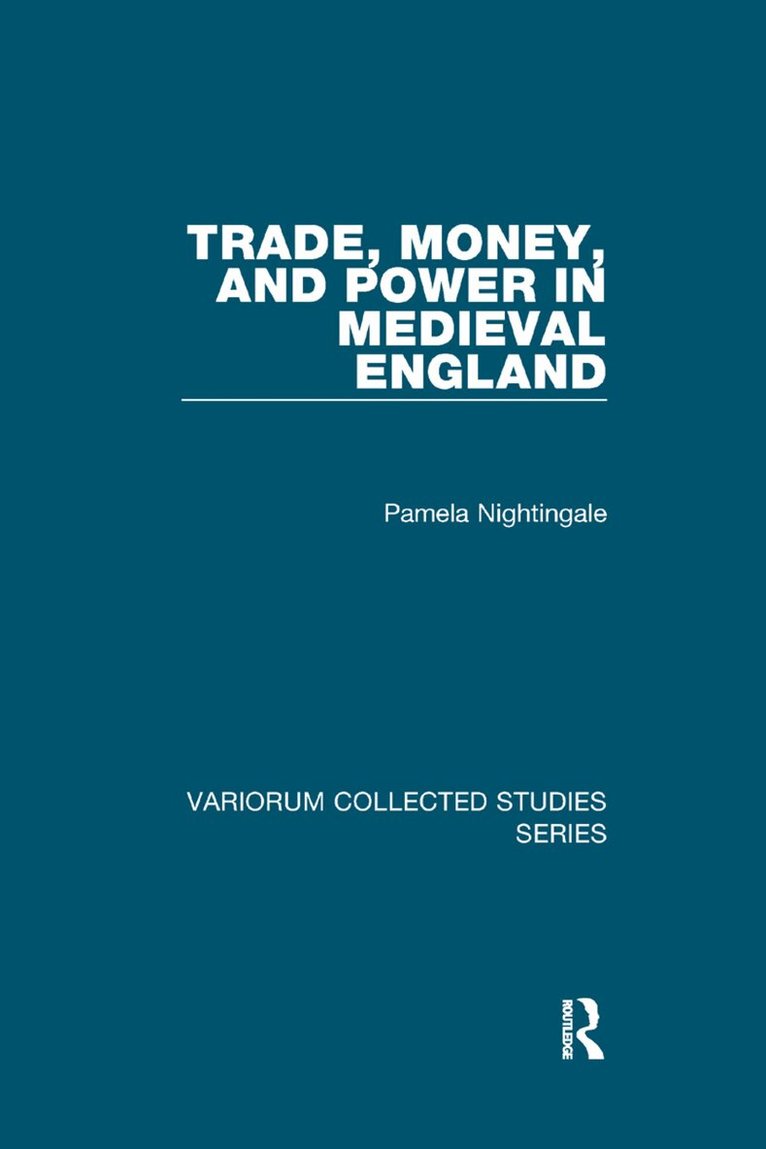
Trade, Money, and Power in Medieval England
Inbunden, 2007
2542 kr
Lägg i varukorg
The sixteen articles in this collection analyse the contribution made by overseas trade, and the wealth in coin which it created, to the development of the English economy and locate this in an European-wide setting. In time, they range from the late Anglo-Saxon period up to the advent of the …
Mortality, Trade, Money and Credit in Late Medieval England (1285-1531)
E-bok, 2020
856 kr
Lägg i varukorg
The eleven articles in this volume examine controversial subjects of central importance to medieval economic historians. Topics include the relative roles played by money and credit in financing the economy, whether credit could compensate for shortages of coin, and whether it could counteract the …
Mortality, Trade, Money and Credit in Late Medieval England (1285-1531)
E-bok, 2020
838 kr
Lägg i varukorg
The eleven articles in this volume examine controversial subjects of central importance to medieval economic historians. Topics include the relative roles played by money and credit in financing the economy, whether credit could compensate for shortages of coin, and whether it could counteract the …
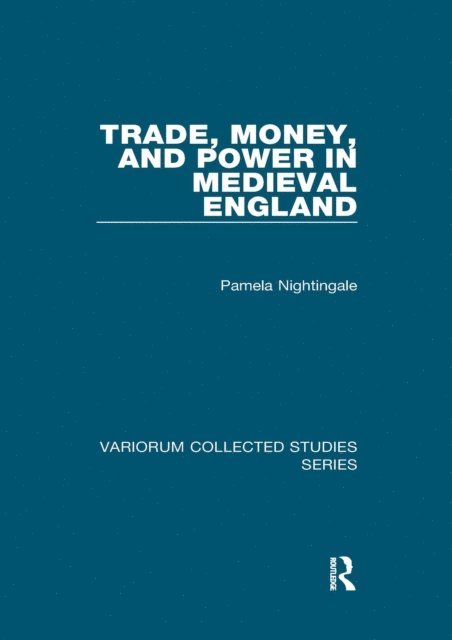
Trade, Money, and Power in Medieval England
E-bok, 2023
999 kr
Lägg i varukorg
The sixteen articles in this collection analyse the contribution made by overseas trade, and the wealth in coin which it created, to the development of the English economy and locate this in an European-wide setting. In time, they range from the late Anglo-Saxon period up to the advent of the …
Trade, Money, and Power in Medieval England
E-bok, 2023
977 kr
Lägg i varukorg
The sixteen articles in this collection analyse the contribution made by overseas trade, and the wealth in coin which it created, to the development of the English economy and locate this in an European-wide setting. In time, they range from the late Anglo-Saxon period up to the advent of the …
Macartney at Kashgar
New Light on British, Chinese and Russian Activities in Sinkiang, 1890-1918
Av C.P. Skrine, Pamela Nightingale
E-bok, 2013
935 kr
Lägg i varukorg
First published in 1973. This book describes the career of Sir George Macartney, who spent twenty-eight years at the turn of the nineteenth century as British representative in Sinkiang, China''s most westerly province. Macartney was in a unique position to observe political and diplomatic …
Macartney at Kashgar
New Light on British, Chinese and Russian Activities in Sinkiang, 1890-1918
Av C.P. Skrine, Pamela Nightingale
E-bok, 2013
942 kr
Lägg i varukorg
First published in 1973. This book describes the career of Sir George Macartney, who spent twenty-eight years at the turn of the nineteenth century as British representative in Sinkiang, China''s most westerly province. Macartney was in a unique position to observe political and diplomatic …
Trade, Money, and Power in Medieval England
Häftad, 2018
844 kr
Lägg i varukorg
The sixteen articles in this collection analyse the contribution made by overseas trade, and the wealth in coin which it created, to the development of the English economy and locate this in an European-wide setting. In time, they range from the late Anglo-Saxon period up to the advent of the …
Macartney at Kashgar
New Light on British, Chinese and Russian Activities in Sinkiang, 1890-1918
Av Pamela Nightingale, C.P. Skrine
Häftad, 2016
814 kr
Lägg i varukorg
First published in 1973.This book describes the career of Sir George Macartney, who spent twenty-eight years at the turn of the nineteenth century as British representative in Sinkiang, China's most westerly province.Macartney was in a unique position to observe political and diplomatic manoeuvres …
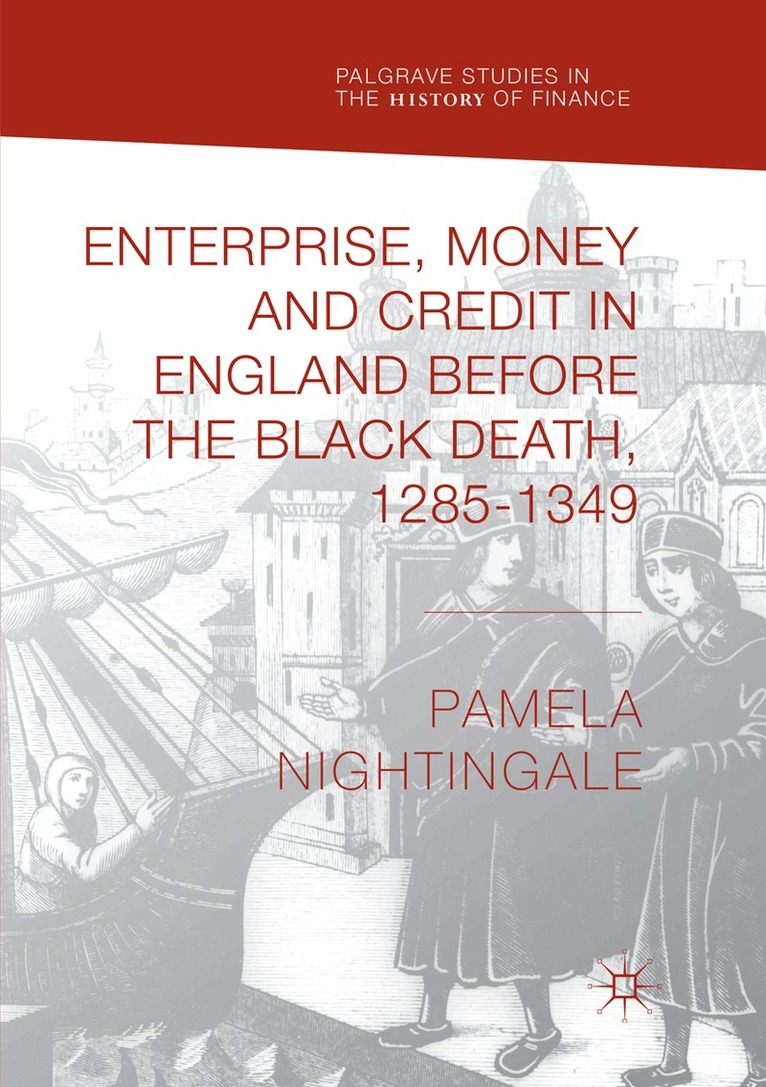
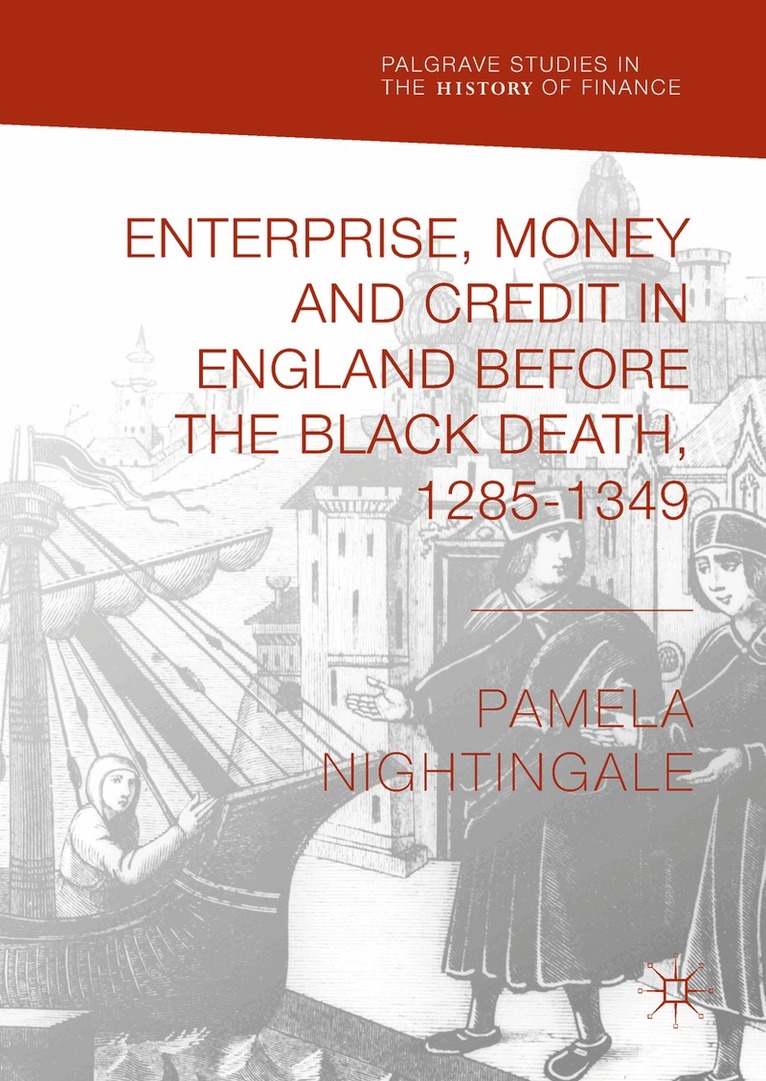
Enterprise, Money and Credit in England before the Black Death 1285–1349
Häftad, 2019
1464 kr
Lägg i varukorg
This book charts the contributions made to the development of the late medieval English economy by enterprise, money, and credit in a period which saw its major export trade in wool, which earned most of its money-supply, suffer from prolonged periods of warfare, high taxation, adverse weather, and …
Enterprise, Money and Credit in England before the Black Death 1285–1349
Inbunden, 2018
1467 kr
Lägg i varukorg
This book charts the contributions made to the development of the late medieval English economy by enterprise, money, and credit in a period which saw its major export trade in wool, which earned most of its money-supply, suffer from prolonged periods of warfare, high taxation, adverse weather, and …
Enterprise, Money and Credit in England before the Black Death 1285-1349
E-bok, 2018
1798 kr
Lägg i varukorg
This book charts the contributions made to the development of the late medieval English economy by enterprise, money, and credit in a period which saw its major export trade in wool, which earned most of its money-supply, suffer from prolonged periods of warfare, high taxation, adverse weather, and …