Pamela Pennock - Böcker
Visar alla böcker från författaren Pamela Pennock. Handla med fri frakt och snabb leverans.
4 produkter
4 produkter
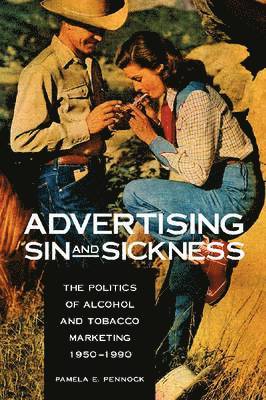
Advertising Sin and Sickness
The Politics of Alcohol and Tobacco Marketing, 1950-1990
Inbunden, Engelska, 2007
625 kr
Skickas inom 3-6 vardagar
Temperance advocates believed they could eradicate alcohol by persuading consumers to avoid it; prohibitionists put their faith in legislation forbidding its manufacture, transportation, and sale. After the repeal of the Eighteenth Amendment, however, reformers sought a new method of attack - targeting advertising. In "Advertising Sin and Sickness", Pamela E. Pennock documents three distinct periods in the history of the national debate over the regulation of alcohol and tobacco marketing. Tracing the fate of proposed federal policies, she introduces their advocates and opponents, from politicians and religious leaders to scientists and businessmen. In the 1950s, the Woman's Christian Temperance Union and other religious organizations joined hands in an effort to ban all alcohol advertising. They quickly found themselves at odds, however, with an increasingly urbane mainstream American culture. In the 1960s, moralists took backstage to consumer activists and scientific authorities in the campaign to control cigarette advertising and mandate labeling.Secular and scientific arguments came to dominate policy debates, and the controversy over alcohol marketing during the 1970s and 1980s highlighted the issues of substance abuse, public health, and consumer rights. The politics of alcohol and tobacco advertising reflect profound cultural dilemmas about consumerism and private enterprise, morality and health, scientific authority and the legitimate regulation of commercial speech. Today, the United States continues to face difficult questions about the proper role of the federal government when powerful industries market potentially harmful but undoubtedly popular products.
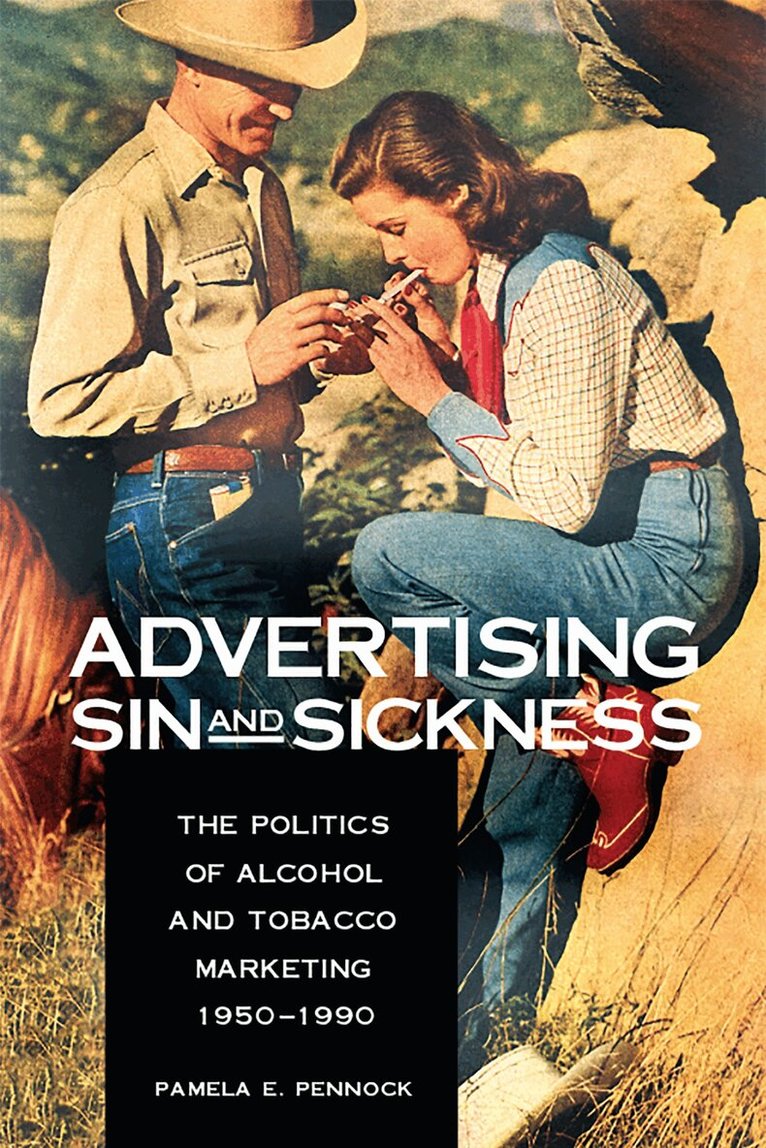
Advertising Sin and Sickness
The Politics of Alcohol and Tobacco Marketing, 1950–1990
Häftad, Engelska, 2009
338 kr
Skickas inom 10-15 vardagar
Temperance advocates believed they could eradicate alcohol by persuading consumers to avoid it; prohibitionists put their faith in legislation forbidding its manufacture, transportation, and sale. After the repeal of the Eighteenth Amendment, however, reformers sought a new method—targeting advertising.In Advertising Sin and Sickness, Pamela E. Pennock documents three distinct periods in the history of the national debate over the regulation of alcohol and tobacco marketing. Tracing the fate of proposed federal policies, she introduces their advocates and opponents, from politicians and religious leaders to scientists and businessmen. In the 1950s, the Woman's Christian Temperance Union and other religious organizations joined hands in an effort to ban all alcohol advertising. They quickly found themselves at odds, however, with an increasingly urbane mainstream American culture. In the 1960s, moralists took backstage to consumer activists and scientific authorities in the campaign to control cigarette advertising and mandate labeling. Secular and scientific arguments came to dominate policy debates, and the controversy over alcohol marketing during the 1970s and 1980s highlighted the issues of substance abuse, public health, and consumer rights.The politics of alcohol and tobacco advertising, Pennock concludes, reflect profound cultural ambivalence about consumerism and private enterprise, morality and health, scientific authority and the legitimate regulation of commercial speech. Today, the United States continues to face difficult questions about the proper role of the federal government when powerful industries market potentially harmful but undeniably popular products.
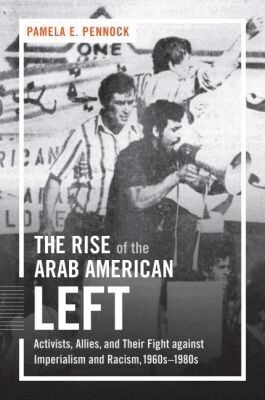
Rise of the Arab American Left
Activists, Allies, and Their Fight Against Imperialism and Racism, 1960s-1980s
Inbunden, Engelska, 2017
1 095 kr
Skickas inom 10-15 vardagar
In this first history of Arab American activism in the 1960s, Pamela Pennock brings to the forefront one of the most overlooked minority groups in the history of American social movements. Focusing on the ideas and strategies of key Arab American organizations and examining the emerging alliances between Arab American and other anti-imperialist and antiracist movements, Pennock sheds new light on the role of Arab Americans in the social change of the era. She details how their attempts to mobilize communities in support of Middle Eastern political or humanitarian causes were often met with suspicion by many Americans, including heavy surveillance by the Nixon administration. Cognizant that they would be unable to influence policy by traditional electoral means, Arab Americans, through slow coalition building over the course of decades of activism, brought their central policy concerns and causes into the mainstream of activist consciousness. With the support of new archival and interview evidence, Pennock situates the civil rights struggle of Arab Americans within the story of other political and social change of the 1960s and 1970s. By doing so, she takes a crucial step forward in the study of American social movements of that era.
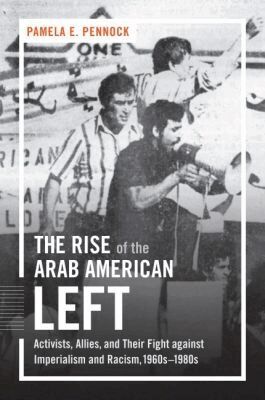
Rise of the Arab American Left
Activists, Allies, and Their Fight Against Imperialism and Racism, 1960s-1980s
Häftad, Engelska, 2017
379 kr
Skickas inom 10-15 vardagar
In this first history of Arab American activism in the 1960s, Pamela Pennock brings to the forefront one of the most overlooked minority groups in the history of American social movements. Focusing on the ideas and strategies of key Arab American organizations and examining the emerging alliances between Arab American and other anti-imperialist and antiracist movements, Pennock sheds new light on the role of Arab Americans in the social change of the era. She details how their attempts to mobilize communities in support of Middle Eastern political or humanitarian causes were often met with suspicion by many Americans, including heavy surveillance by the Nixon administration. Cognizant that they would be unable to influence policy by traditional electoral means, Arab Americans, through slow coalition building over the course of decades of activism, brought their central policy concerns and causes into the mainstream of activist consciousness. With the support of new archival and interview evidence, Pennock situates the civil rights struggle of Arab Americans within the story of other political and social change of the 1960s and 1970s. By doing so, she takes a crucial step forward in the study of American social movements of that era.