Pamela S. Soltis - Böcker
Visar alla böcker från författaren Pamela S. Soltis. Handla med fri frakt och snabb leverans.
4 produkter
4 produkter
684 kr
Skickas inom 7-10 vardagar
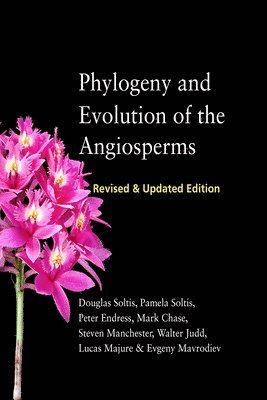
Although they are relative latecomers on the evolutionary scene, having emerged only 135-170 million years ago, angiosperms or flowering plants are the most diverse and species-rich group of seed-producing land plants, comprising more than 13,000 genera and over 300,000 species. Not only are they a model group for studying the patterns and processes of evolutionary diversification, outside the laboratory they also play major roles in our economy, diet, and our courtship rituals, producing our fruits, legumes, and grains, not to mention the flowers in our Valentine's bouquets. They are also crucial ecologically, dominating most terrestrial and some aquatic landscapes. This fully revised edition of Phylogeny and Evolution of the Angiosperms provides an up-to-date, comprehensive overview of the evolution of and relationships among these vital plants, as well as of our attempts to reconstruct these relationships.Incorporating molecular phylogenetics with morphological, chemical, developmental, and paleobotanical data, as well as a more detailed account of early angiosperm fossils and important fossil information for each evolutionary branch of the angiosperms, the new edition integrates fossil evidence into a robust phylogenetic framework. Also including a wealth of new color images, this highly synthetic work further reevaluates long-held evolutionary hypotheses related to flowering plants and will be an essential reference for botanists, plant systematists, and evolutionary biologists alike.
2 101 kr
Skickas inom 10-15 vardagar
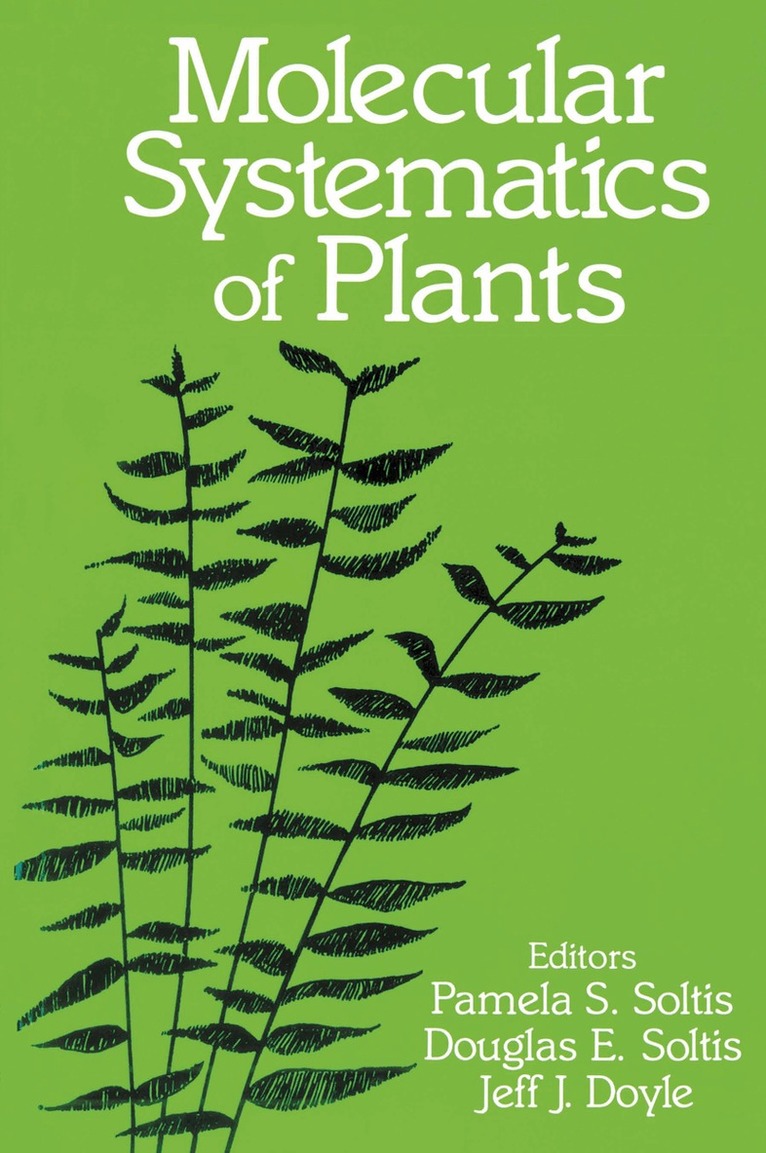
The application of molecular techniques is rapidly transforming the study of plant systematics. The precision they offer enables researchers to classify plants that have not been subject to rigorous classification before and thus allows them to obtain a clearer picture of evolutionary relationships. This book is arranged both conceptually and phylogenetically to accommodate the interests not only of general systematists, but also those of people interested in a particular plant family. The first part discusses molecular sequencing; the second reviews restriction site analysis and the sequencing of mitochondrial DNA. A third section details the analysis of ribosomal DNA and chloroplast DNA. The following section introduces model studies involving well-studied families such as the onagraceae, compositae and leguminosae. The book concludes with a section addressing theoretical topics such as data analysis and the question of morphological vs. molecular data. This book should be of interest to advanced undergraduates and graduate students in botany systematics and biology, and those agricultural departments interested in plant breeding and evolution of crop plants.
1 578 kr
Skickas inom 10-15 vardagar
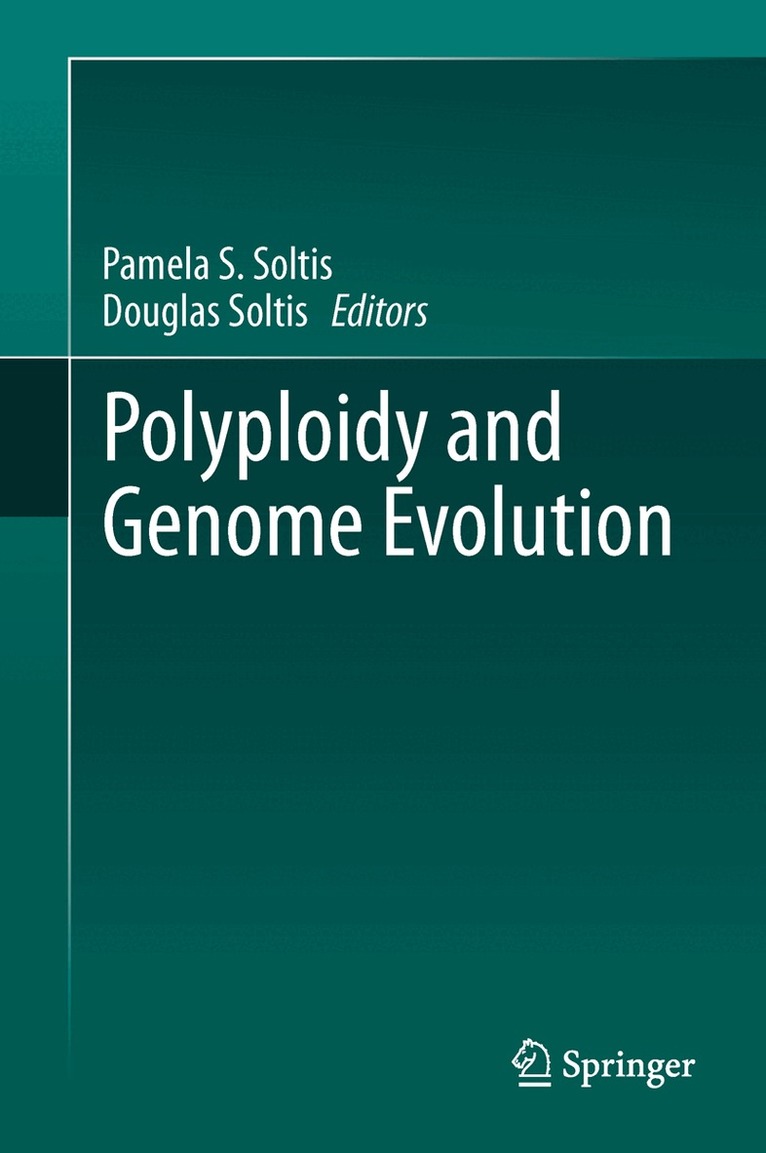
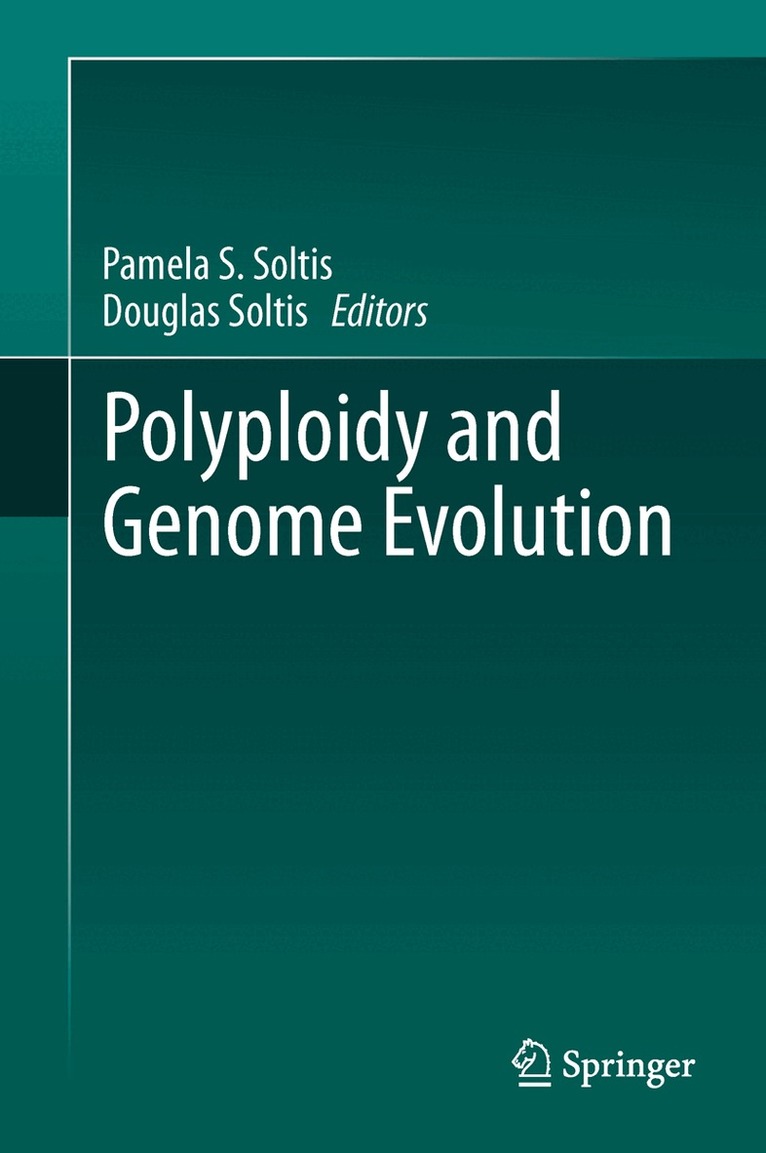
Polyploidy – whole-genome duplication (WGD) – is a fundamental driver of biodiversity with significant consequences for genome structure, organization, and evolution. Once considered a speciation process common only in plants, polyploidy is now recognized to have played a major role in the structure, gene content, and evolution of most eukaryotic genomes. In fact, the diversity of eukaryotes seems closely tied to multiple WGDs. Polyploidy generates new genomic interactions – initially resulting in “genomic and transcriptomic shock” – that must be resolved in a new polyploid lineage. This process essentially acts as a “reset” button, resulting in genomic changes that may ultimately promote adaptive speciation. This book brings together for the first time the conceptual and theoretical underpinnings of polyploid genome evolution with syntheses of the patterns and processes of genome evolution in diverse polyploid groups. Because polyploidy is most common and best studied in plants, the book emphasizes plant models, but recent studies of vertebrates and fungi are providing fresh perspectives on factors that allow polyploid speciation and shape polyploid genomes. The emerging paradigm is that polyploidy – through alterations in genome structure and gene regulation – generates genetic and phenotypic novelty that manifests itself at the chromosomal, physiological, and organismal levels, with long-term ecological and evolutionary consequences.
1 578 kr
Skickas inom 10-15 vardagar
Polyploidy – whole-genome duplication (WGD) – is a fundamental driver of biodiversity with significant consequences for genome structure, organization, and evolution. Once considered a speciation process common only in plants, polyploidy is now recognized to have played a major role in the structure, gene content, and evolution of most eukaryotic genomes. In fact, the diversity of eukaryotes seems closely tied to multiple WGDs. Polyploidy generates new genomic interactions – initially resulting in “genomic and transcriptomic shock” – that must be resolved in a new polyploid lineage. This process essentially acts as a “reset” button, resulting in genomic changes that may ultimately promote adaptive speciation. This book brings together for the first time the conceptual and theoretical underpinnings of polyploid genome evolution with syntheses of the patterns and processes of genome evolution in diverse polyploid groups. Because polyploidy is most common and best studied in plants, the book emphasizes plant models, but recent studies of vertebrates and fungi are providing fresh perspectives on factors that allow polyploid speciation and shape polyploid genomes. The emerging paradigm is that polyploidy – through alterations in genome structure and gene regulation – generates genetic and phenotypic novelty that manifests itself at the chromosomal, physiological, and organismal levels, with long-term ecological and evolutionary consequences.