Pamela Skrabek – författare
Visar alla böcker från författaren Pamela Skrabek. Handla med fri frakt och snabb leverans.
2 produkter
2 produkter
Häftad, Engelska, 2019
733 kr
Skickas inom 10-15 vardagar
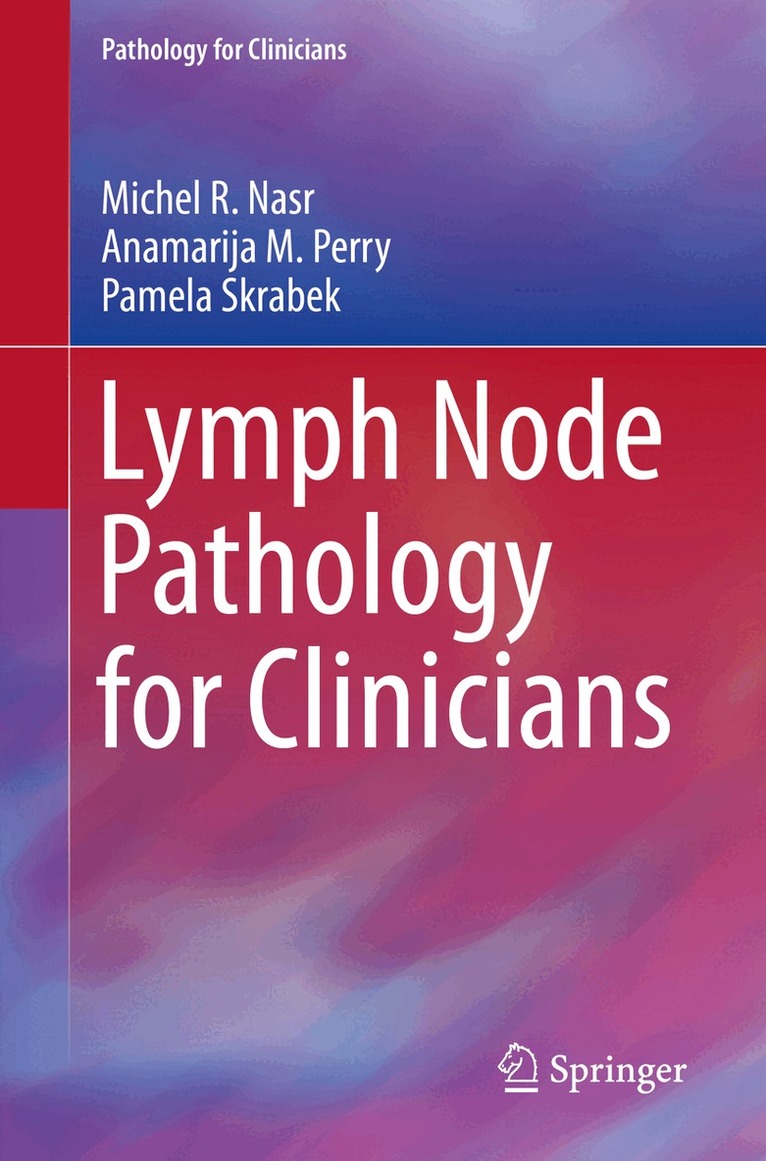
Lymph node pathology is a complex and rapidly evolving field that requires integration of morphologic findings with a number of ancillary studies, as well as clinical information, to diagnose neoplastic and non-neoplastic hematopoietic disorders. Lymphomas are currently classified according to the 2016 Revision of the World Health Organization (WHO) Classification, which emphasizes, and for some diagnoses mandates, the integration of clinical information in diagnostic decision making. Successful collaboration and teamwork between pathology and clinical specialties (especially hematology/oncology) are paramount for excellent patient care. In addition to diagnosis, pathology plays a significant role in lymphoma prognostication and therefore contributes to patient’s management and follow-up. Lymph Node Pathology for Clinicians provides a concise overview of different entities in lymph node pathology with the primary audience being clinicians. Not all entities are covered, but, rather, the most common and/or clinically most relevant ones were included. This text is intended as a quick reference for a clinician to become familiar with pathologic aspects of lymphomas and the thought process of a pathologist. Particular consideration is given to relevant diagnostic and prognostic ancillary studies. Organized with an interdisciplinary approach for effective management of lymph node disorders, this text aims to educate our clinical colleagues on the most important aspects of lymph node pathology.
E-bok
Engelska, 2019873 kr
Läs direkt efter köp
Lymph node pathology is a complex and rapidly evolving field that requires integration of morphologic findings with a number of ancillary studies, as well as clinical information, to diagnose neoplastic and non-neoplastic hematopoietic disorders. Lymphomas are currently classified according to the 2016 Revision of the World Health Organization (WHO) Classification, which emphasizes, and for some diagnoses mandates, the integration of clinical information in diagnostic decision making. Successful collaboration and teamwork between pathology and clinical specialties (especially hematology/oncology) are paramount for excellent patient care. In addition to diagnosis, pathology plays a significant role in lymphoma prognostication and therefore contributes to patient’s management and follow-up. Lymph Node Pathology for Clinicians provides a concise overview of different entities in lymph node pathology with the primary audience being clinicians. Not all entities are covered, but, rather, the most common and/or clinically most relevant ones were included. This text is intended as a quick reference for a clinician to become familiar with pathologic aspects of lymphomas and the thought process of a pathologist. Particular consideration is given to relevant diagnostic and prognostic ancillary studies. Organized with an interdisciplinary approach for effective management of lymph node disorders, this text aims to educate our clinical colleagues on the most important aspects of lymph node pathology.