Panos Theodorou – författare
Visar alla böcker från författaren Panos Theodorou. Handla med fri frakt och snabb leverans.
6 produkter
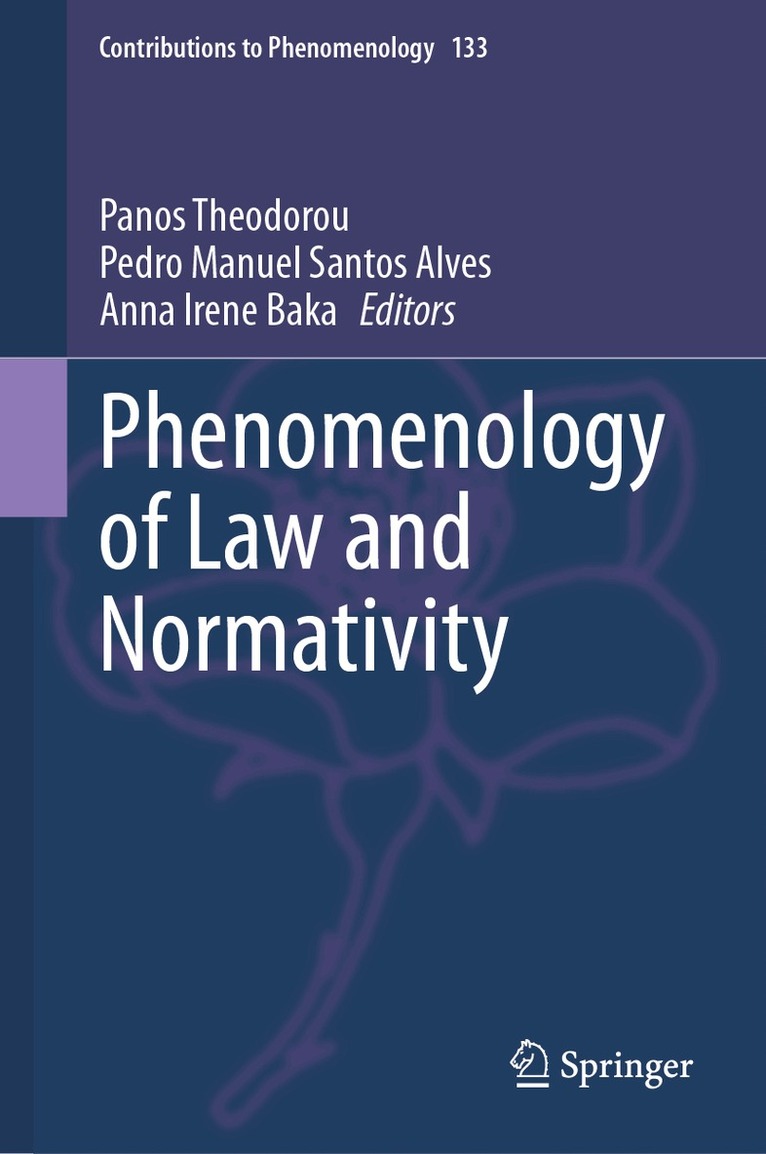
Phenomenology of Law and Normativity
Av Panos Theodorou, Pedro Manuel Santos Alves m. fl.
Inbunden, 2024
1633 kr
Lägg i varukorg
Against the widespread, mainstream take on the philosophy of law, this collected volume fills an important scholarly gap by introducing a phenomenological account of some of the major questions and themes of jurisprudence such as rights and norms. This volume argues that wherever there is a demand …
Phenomenology of Law and Normativity
Av Anna Irene Baka, Pedro Manuel Santos Alves m. fl.
E-bok, 2024
2111 kr
Lägg i varukorg
Against the widespread, mainstream take on the philosophy of law, this collected volume fills an important scholarly gap by introducing a phenomenological account of some of the major questions and themes of jurisprudence such as rights and norms. This volume argues that wherever there is a demand …
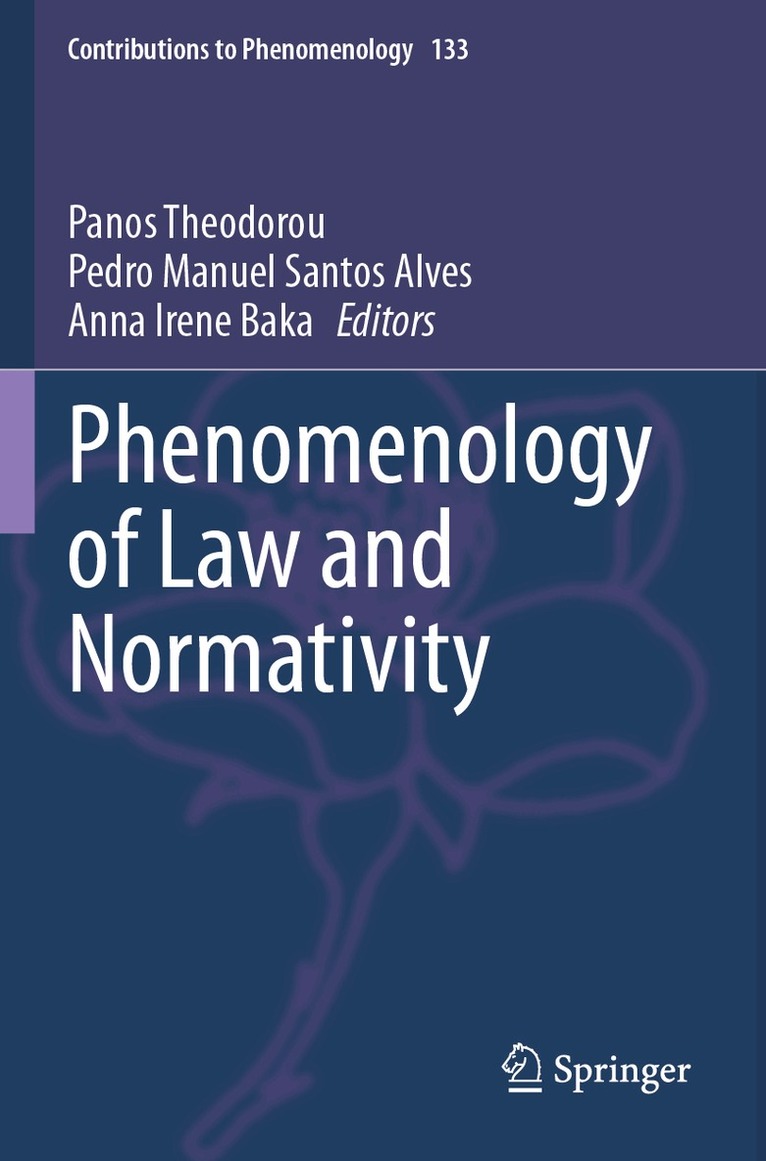
Phenomenology of Law and Normativity
Av Panos Theodorou, Pedro Manuel Santos Alves m. fl.
Häftad, 2025
1641 kr
Lägg i varukorg
Against the widespread, mainstream take on the philosophy of law, this collected volume fills an important scholarly gap by introducing a phenomenological account of some of the major questions and themes of jurisprudence such as rights and norms. This volume argues that wherever there is a demand …
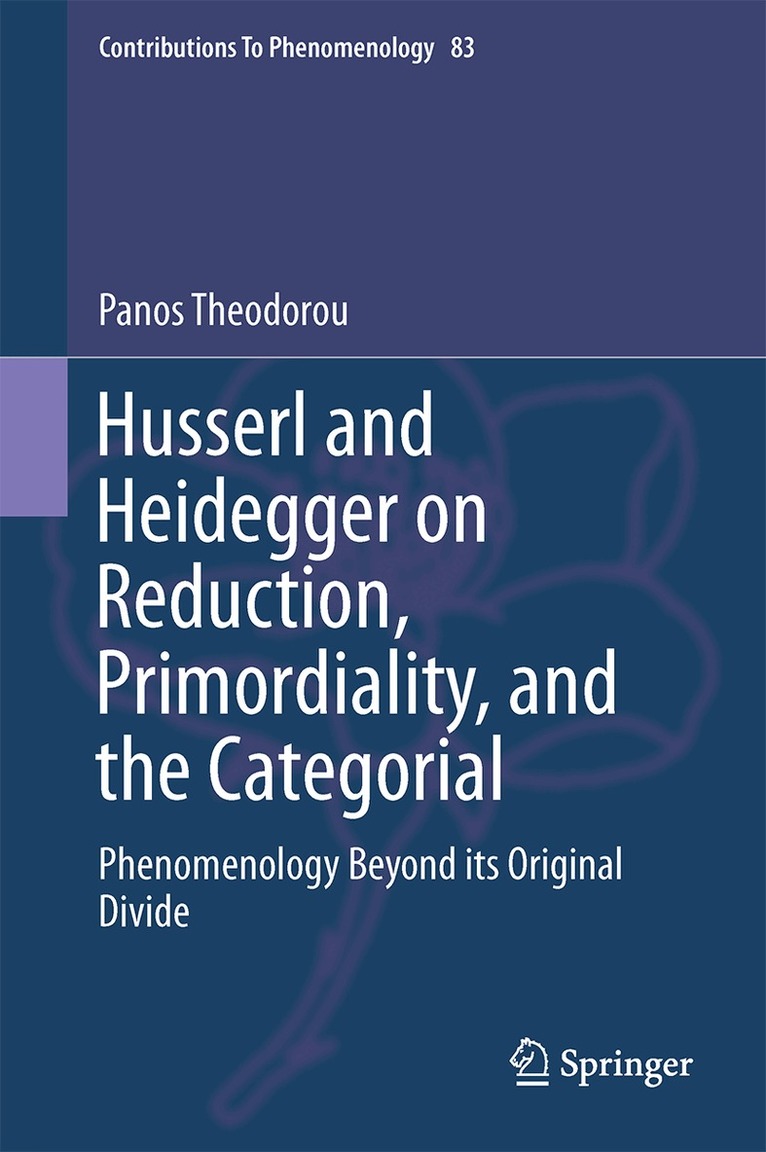
Husserl and Heidegger on Reduction, Primordiality, and the Categorial
Phenomenology Beyond its Original Divide
Inbunden, 2015
1096 kr
Lägg i varukorg
This book deals with foundational issues in Phenomenology as they arise in the smoldering but tense dispute between Husserl and Heidegger, which culminates in the late 1920s. The work focuses on three key issues around which a constellation of other important problems revolves. More specifically, …
Husserl and Heidegger on Reduction, Primordiality, and the Categorial
Phenomenology Beyond its Original Divide
E-bok, 2015
1459 kr
Lägg i varukorg
This book deals with foundational issues in Phenomenology as they arise in the smoldering but tense dispute between Husserl and Heidegger, which culminates in the late 1920s. The work focuses on three key issues around which a constellation of other important problems revolves. More specifically, …
Husserl and Heidegger on Reduction, Primordiality, and the Categorial
Phenomenology Beyond its Original Divide
Häftad, 2016
1096 kr
Lägg i varukorg
This book deals with foundational issues in Phenomenology as they arise in the smoldering but tense dispute between Husserl and Heidegger, which culminates in the late 1920s. The work focuses on three key issues around which a constellation of other important problems revolves. More specifically, …