Paola Revilla Orías – författare
Visar alla böcker från författaren Paola Revilla Orías. Handla med fri frakt och snabb leverans.
3 produkter
3 produkter
Inbunden, Engelska, 2022
1 278 kr
Skickas inom 5-8 vardagar
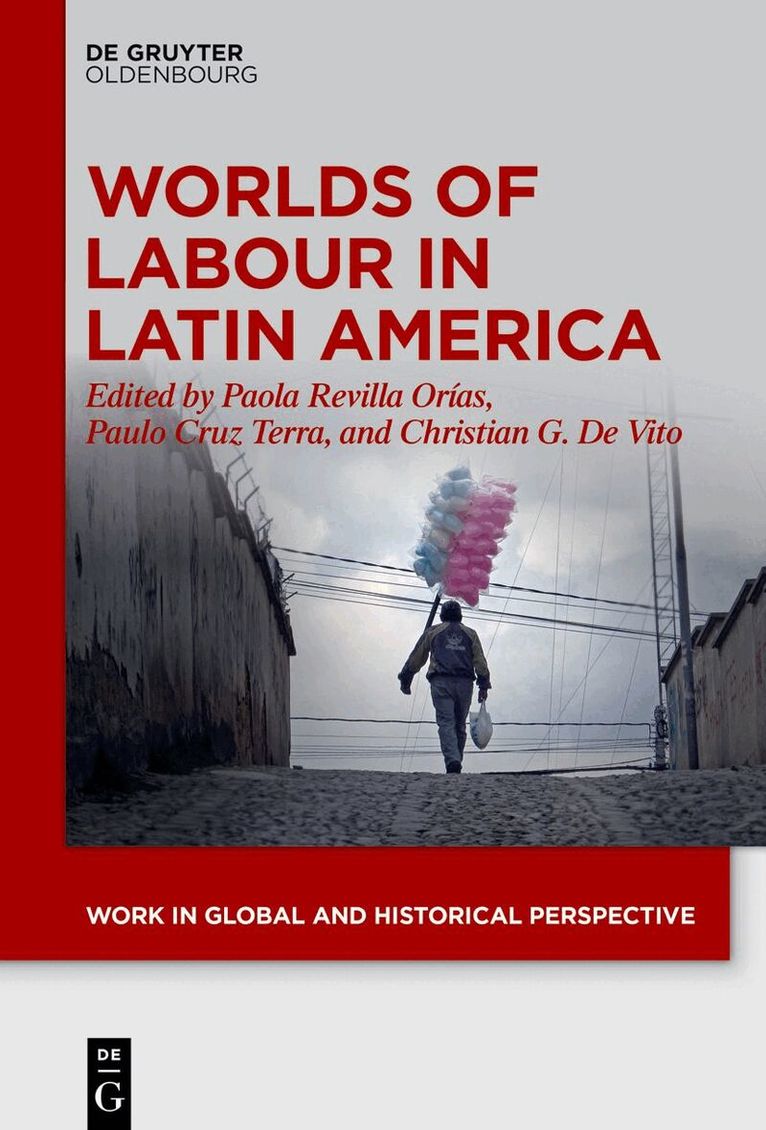
This book reflects the development of Latin American labour history across broad geographical, chronological and thematic perspectives, which seek to review and revisit key concepts at different levels. The contributions are closely linked to the most recent trends in Global Labour History and in turn, they enrich those trends. Here, authors from Argentina, Bolivia, Brazil, Mexico, Peru and Spain take a historical and sociological perspective and analyse a series of problems relating to labour relations. The chapters weave together different periods of Latin American colonial and republican history from the vice-royalties of New Spain (now Mexico) and Peru, the Royal Audiencia de Charcas (now Bolivia), Argentina and Uruguay (former vice-royalty of Río de La Plata) and Chile (former Capitanía General).
Del 13 - Work in Global and Historical Perspective
Worlds of Labour in Latin America
Häftad, Engelska, 2023
271 kr
Skickas inom 3-6 vardagar
This book reflects the development of Latin American labour history across broad geographical, chronological and thematic perspectives, which seek to review and revisit key concepts at different levels. The contributions are closely linked to the most recent trends in Global Labour History and in turn, they enrich those trends. Here, authors from Argentina, Bolivia, Brazil, Mexico, Peru and Spain take a historical and sociological perspective and analyse a series of problems relating to labour relations. The chapters weave together different periods of Latin American colonial and republican history from the vice-royalties of New Spain (now Mexico) and Peru, the Royal Audiencia de Charcas (now Bolivia), Argentina and Uruguay (former vice-royalty of Río de La Plata) and Chile (former Capitanía General).
51 kr
Läs direkt efter köp
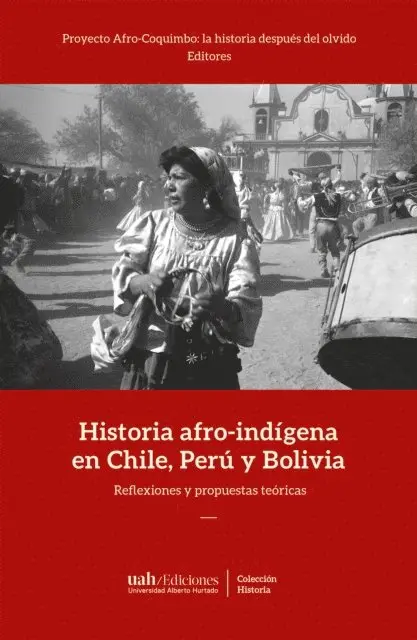
El cimarronaje de africanos es un factor que ha sido mínimamente referenciado e investigado en la historiografía chilena. Debemos reconocer la dificultad de rastrearlo, debido a que si estos obtenían éxito en su hazaña no quedaba más que el registro de su compraventa, en ciertos casos registros parroquiales, en otros el informe de la fuga que hacía el amo ante el notario correspondiente, o cuando eran capturados. La experiencia investigativa de palenques o quilombos ha demostrado que los cimarrones creaban verdaderos enclaves territoriales de resistencia, conservando sus sistemas culturales, generando vínculos con los pueblos o con individuos indígenas. La presencia afrodescendiente en Chile pareciera difícil de rastrear, sobre todo después de la segunda mitad del siglo XIX. El contexto es complejo, debido a que el país se encontraba en proceso de consolidación nacional. El problema de la alteridad, es decir, de la representación de cuerpos y culturas que aparentemente han desaparecido, nos atañe para el caso chileno, donde se asume un país cultural y genéticamente homogéneo, en circunstancias que es todo lo contrario.