Paolo Bory – författare
Visar alla böcker från författaren Paolo Bory. Handla med fri frakt och snabb leverans.
5 produkter
5 produkter
E-bok
PDF, Engelska, 2026909 kr
Läs direkt efter köp
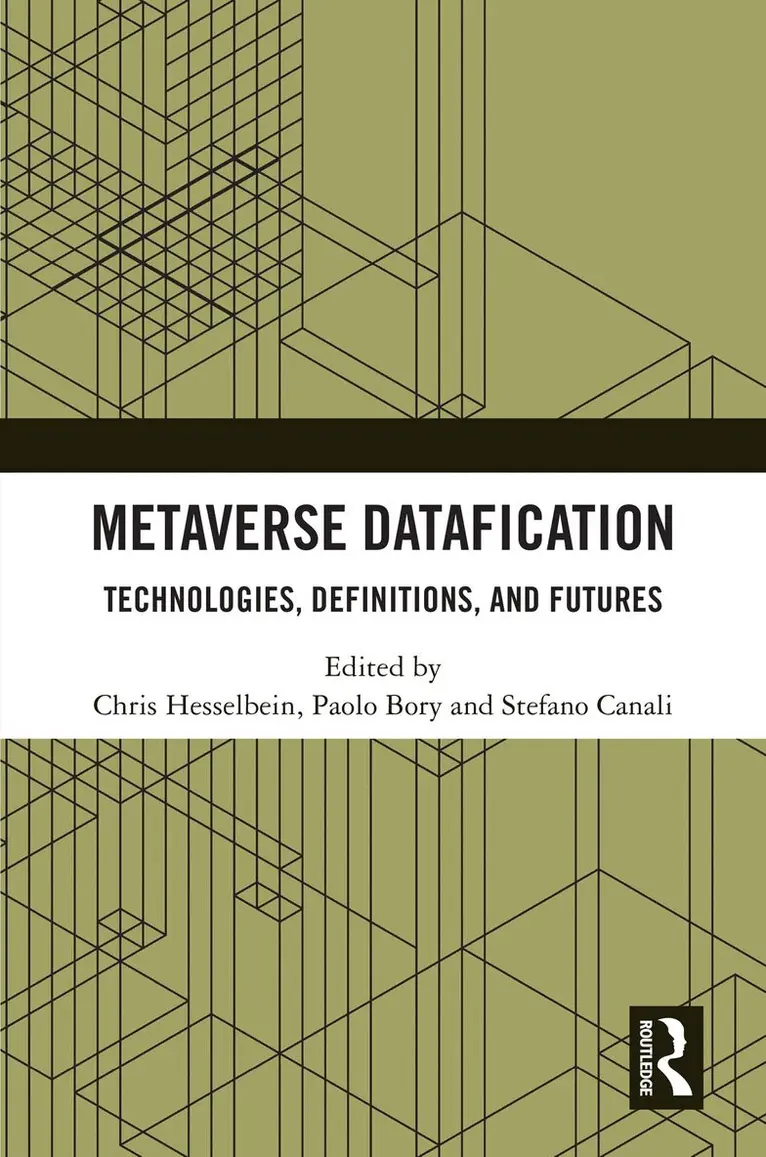
This book explores the most pressing questions and concerns that are emerging in tandem with the development of metaverse platforms and technologies. It focuses on the central question of how the gallop towards 'bigger' and 'richer' data will extend and intensify current drives towards datafication and commodification.The volume draws on different disciplines in the social sciences and humanities, including science and technology studies, critical data studies, communication, and media studies, and cultural studies as well as philosophy and political science to offer a range of complementary perspectives. The essays combine conceptual reflection on as well as empirical engagement with the topic of metaverse datafication and its political, infrastructural, and social implications. Key focal points include analysis of the corporate narratives that drive the current development of metaverse platforms and technologies, the computational infrastructures and material resources that enable metaverse technologies, the reconfiguration or even subversion of state power, global markets, and regulatory frameworks, the impact of metaverse practices and data on social life and personal identity, and the role that these developments play for academic research and our conceptualisation of knowledge. This book was originally published as a special issue of Information, Communication & Society.
E-bok
Engelska, 2026909 kr
Läs direkt efter köp
This book explores the most pressing questions and concerns that are emerging in tandem with the development of metaverse platforms and technologies. It focuses on the central question of how the gallop towards 'bigger' and 'richer' data will extend and intensify current drives towards datafication and commodification.The volume draws on different disciplines in the social sciences and humanities, including science and technology studies, critical data studies, communication, and media studies, and cultural studies as well as philosophy and political science to offer a range of complementary perspectives. The essays combine conceptual reflection on as well as empirical engagement with the topic of metaverse datafication and its political, infrastructural, and social implications. Key focal points include analysis of the corporate narratives that drive the current development of metaverse platforms and technologies, the computational infrastructures and material resources that enable metaverse technologies, the reconfiguration or even subversion of state power, global markets, and regulatory frameworks, the impact of metaverse practices and data on social life and personal identity, and the role that these developments play for academic research and our conceptualisation of knowledge. This book was originally published as a special issue of Information, Communication & Society.
Inbunden, Engelska, 2026
2 179 kr
Skickas inom 10-15 vardagar
This book explores the most pressing questions and concerns that are emerging in tandem with the development of metaverse platforms and technologies. It focuses on the central question of how the gallop towards ‘bigger’ and ‘richer’ data will extend and intensify current drives towards datafication and commodification.The volume draws on different disciplines in the social sciences and humanities, including science and technology studies, critical data studies, communication, and media studies, and cultural studies as well as philosophy and political science to offer a range of complementary perspectives. The essays combine conceptual reflection on as well as empirical engagement with the topic of metaverse datafication and its political, infrastructural, and social implications. Key focal points include analysis of the corporate narratives that drive the current development of metaverse platforms and technologies, the computational infrastructures and material resources that enable metaverse technologies, the reconfiguration or even subversion of state power, global markets, and regulatory frameworks, the impact of metaverse practices and data on social life and personal identity, and the role that these developments play for academic research and our conceptualisation of knowledge. This book was originally published as a special issue of Information, Communication & Society.
Häftad, Engelska, 2020
358 kr
Skickas inom 5-8 vardagar
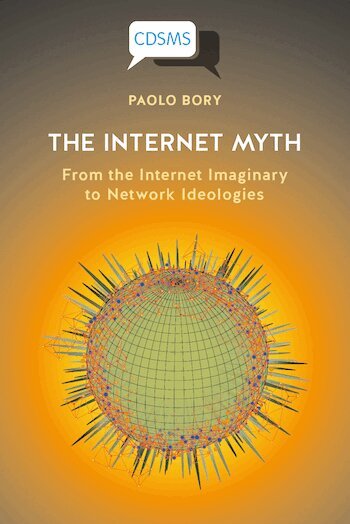
‘The Internet is broken and Paolo Bory knows how we got here. In a powerful book based on original research, Bory carefully documents the myths, imaginaries, and ideologies that shaped the material and cultural history of the Internet. As important as this book is to understand our shattered digital world, it is essential for those who would fix it.’ — Vincent Mosco, author of The Smart City in a Digital WorldThe Internet Myth retraces and challenges the myth laying at the foundations of the network ideologies – the idea that networks, by themselves, are the main agents of social, economic, political and cultural change. By comparing and integrating different sources related to network histories, this book emphasizes how a dominant narrative has extensively contributed to the construction of the Internet myth while other visions of the networked society have been erased from the collective imaginary. The book decodes, analyzes and challenges the foundations of the network ideologies looking at how networks have been imagined, designed and promoted during the crucial phase of the 1990s.Three case studies are scrutinized so as to reveal the complexity of network imaginaries in this decade: the birth of the Web and the mythopoesis of its inventor; and the histories of two Italian networking projects, the infrastructural plan Socrate and the civic network Iperbole, the first to give free Internet access to citizens.The Internet Myth thereby provides a compelling and hidden sociohistorical narrative in order to challenge one of the most powerful myths of our time.This title has been published with the financial assistance of the Fondazione Hilda e Felice Vitali, Lugano, Switzerland.
Häftad, Engelska, 2025
323 kr
Skickas inom 10-15 vardagar
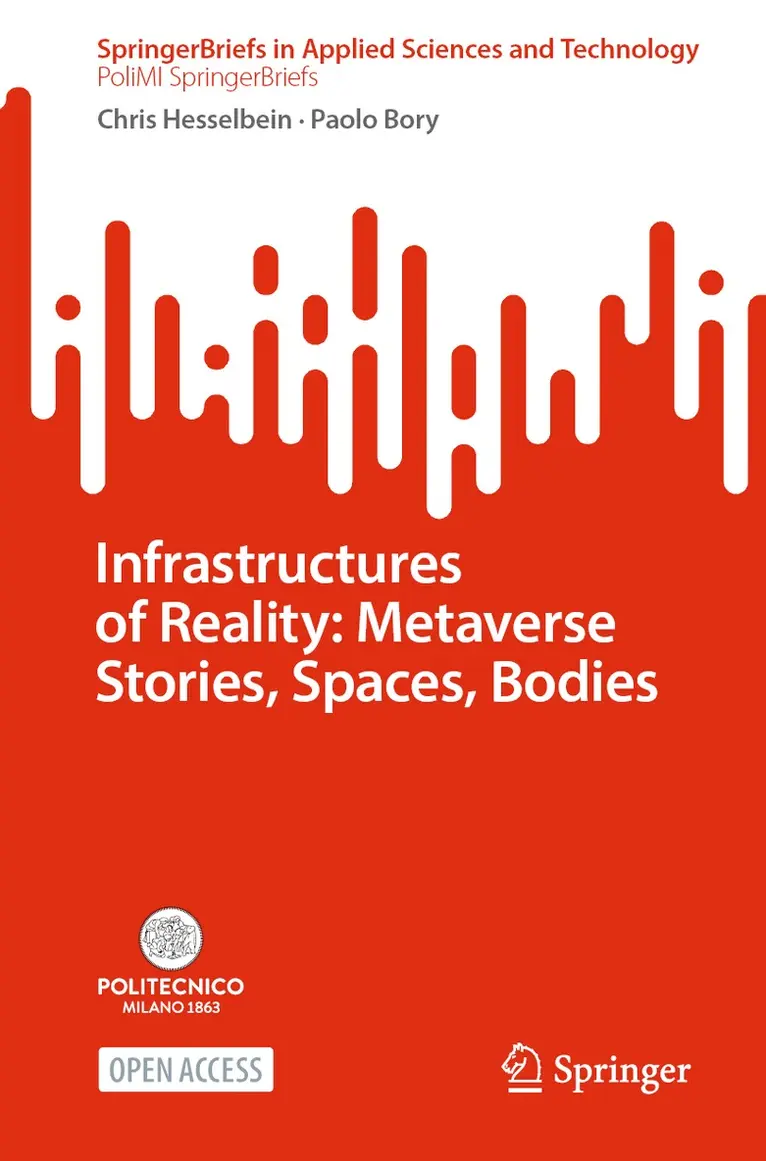
This open access book focuses on two dimensions of the development of the metaverse that are crucial to ‘reality’, namely spatiality and embodiment. Metaversal technologies are thought to fundamentally affect both our spaces and bodies, which are two central aspects of the constitution of social reality. Both spatiality and embodiment are core elements of world-making that are being pulled into the ambit of metaversal projects. On the one hand, metaversal technologies are profoundly spatial in the sense that they render space in virtual form or overlay digital layers onto pre-existing physical spaces. On the other hand, metaversal technologies are directly geared towards the body in that they not only seek to extend or expand our embodied senses and emplace our bodies in virtual spaces, but they also seek to capture their behaviours and actions on a far more granular level. This can create new opportunities in terms of work, social interaction, and leisure, but can also open our bodies up to new, tech-driven interventions and control. Whether in the form of VR or AR, such technologies not only reproduce space but also rely on making spaces more legible and open to automated interventions. Taken together, the ‘metaversification’ of spaces and bodies gives rise to crucial questions about the goals and implications of metaversal developments by large technology companies and about the relationship between the developments of the metaverse and AI systems. Drawing on our combined background and expertise in Science and Technology Studies and the History of Media and Communication, we critically analyse the development of metaversal technologies and platforms by discussing a broad set of developments and examples from a wide range of technology and gaming companies. Written in clear, concise, and accessible language, and combining and applying novel theoretical frameworks and concepts to a currently emergent phenomenon, this book will find a large audience not only within academic and professional circles but also in popular culture.