Paolo Mandrioli – författare
Visar alla böcker från författaren Paolo Mandrioli. Handla med fri frakt och snabb leverans.
4 produkter
4 produkter
Inbunden, Engelska, 2003
1 089 kr
Skickas inom 10-15 vardagar
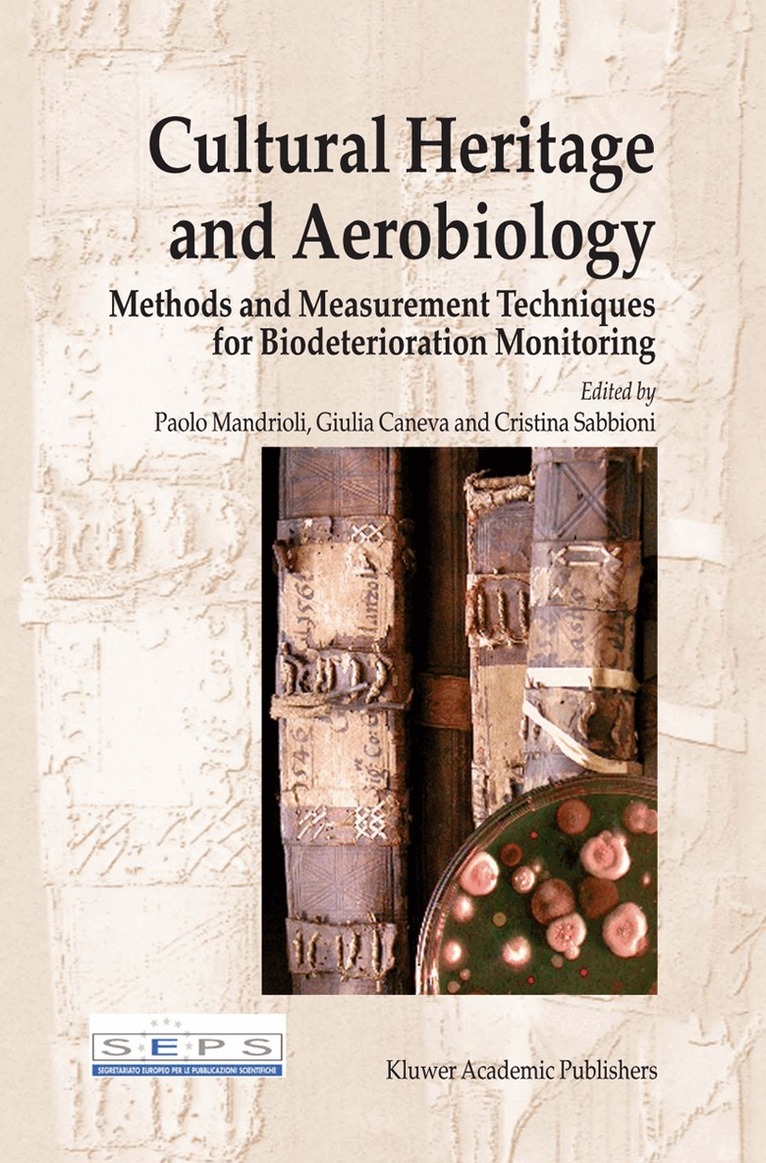
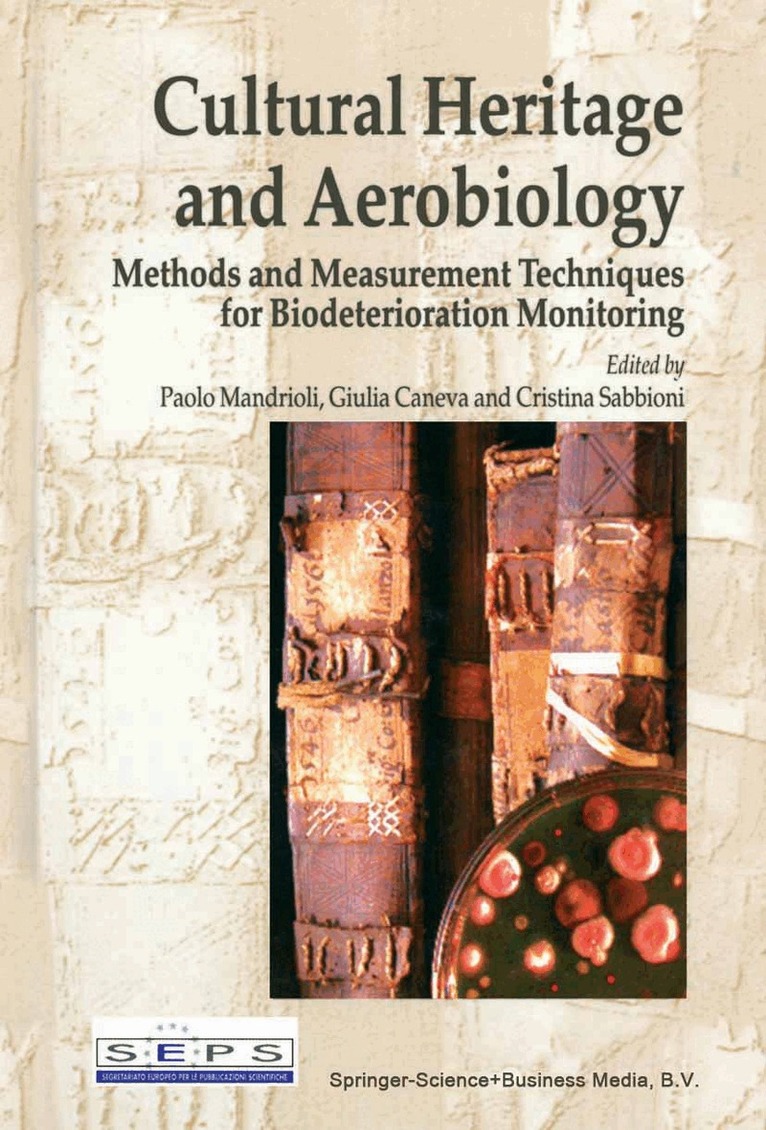
This is a translated and revised edition of the original Italian version. The book gives a general overview of the application of aerobiology (the science that studies the biological components of the atmosphere) to the conservation of our cultural heritage. Aerobiological monitoring makes it possible to estimate the risks of degradation of artefacts of historical or artistic importance by airborne microorganisms (airborne spores and vegetative structures) according to the types of materials forming the artefacts, to the conditions of the microclimate and to the type of environmental pollution, thus enabling the planning of preventive or reparative intervention. Among the book's main features are: aspects of the biodeterioration of different materials (paper, wood, fabrics, parchment, leather, stone, glass, metals, plastic, etc.); methods for measuring environmental parameters, both physical (microclimatic) and chemical (pollutants); methods and techniques of aerobiological monitoring; and specific problems concerning the different types of environments.
Häftad, Engelska, 2010
1 073 kr
Skickas inom 10-15 vardagar
This book is the first to give a general overview of the application of aerobiology (the science that studies the biological components of the atmosphere) to the conservation of our cultural heritage. Aerobiological monitoring makes it possible to estimate the risks of degradation of artefacts of historical or artistic importance by airborne microorganisms (airborne spores and vegetative structures) according to the types of materials forming the artefacts, to the conditions of the microclimate and to the type of environmental pollution, thus enabling the planning of preventive or reparative intervention.
E-bok
PDF, Engelska, 20131 408 kr
Läs direkt efter köp
Aerobiology is the science that studies the biological component of the atmosphere and its effects on living systems and on the environment. This term was used for the first time in 1935, but the attention of scientists to the biological component of the atmosphere goes back to 1769, when the Italian biologist Spallanzani carried out a series of experiments that disproved the concept of spontaneous generation of life and proved the presence of viable microorganisms in the air. Aerobiology has marked characteristics of interdisciplinarity: its application fields range from respiratory diseases to the airborne outbreak of animal and vegetal diseases and to the biodegradation of substances and materials. The latter is the subject of this book. The purpose of aerobiological research applied to the conservation of cultural heritage is to evaluate the risk of alteration by airborne microorganisms of materials forming artefacts of historical, artistic and archaeological interest. Airborne spores and vegetative structures may develop on different substrates and may be a cause of degradation, in relation to the types of materials, the microclimatic situation and the pollution of the conservation environments. The qualitative and quantitative evaluation of the biological component of air, performed by means of targeted analysis campaigns, and of the characteristics of materials and environments, supplies indispensable information for the evaluation of the actual risk and the planning of interventions. This book is divided into four main parts.
Engelska, 2013
670 kr
Skickas inom 5-8 vardagar