Paolo Nannipieri – författare
Visar alla böcker från författaren Paolo Nannipieri. Handla med fri frakt och snabb leverans.
15 produkter
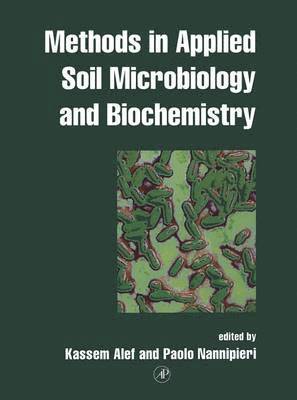
Methods in Applied Soil Microbiology and Biochemistry
Av Kassem Alef, Paolo Nannipieri
Häftad, 1995
649 kr
Lägg i varukorg
In recent years, rapid technological advances and changes in agricultural management have taken place. These have yielded benefits to society but have also generated new and significant environmental problems. Novel questions and challenges relating to agricultural practice and soil microbial …
The Future of Soil Carbon
Its Conservation and Formation
Av Carlos Garcia, Paolo Nannipieri m. fl.
Häftad, 2018
1226 kr
Lägg i varukorg
The Future of Soil Carbon: Its Conservation and Formation provides readers with an integrative approach to understanding the important role of organic carbon in soil functioning and fertility. Terrestrial interactions between SOC and complex human-natural systems require new fundamental and applied …
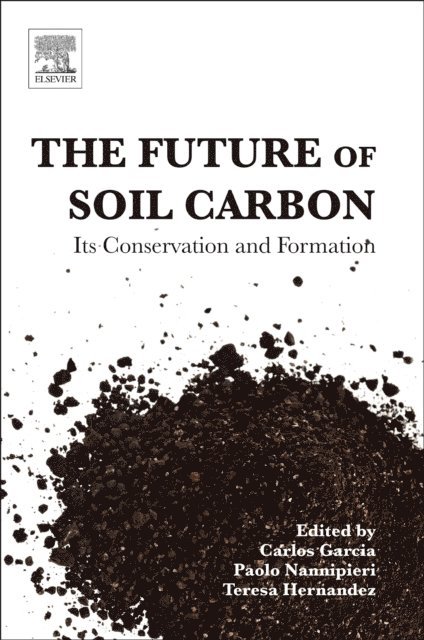
Future of Soil Carbon
Its Conservation and Formation
Av Teresa Hernandez, Paolo Nannipieri m. fl.
E-bok, 2018
1741 kr
Lägg i varukorg
The Future of Soil Carbon: Its Conservation and Formation provides readers with an integrative approach to understanding the important role of organic carbon in soil functioning and fertility. Terrestrial interactions between SOC and complex human-natural systems require new fundamental and applied …
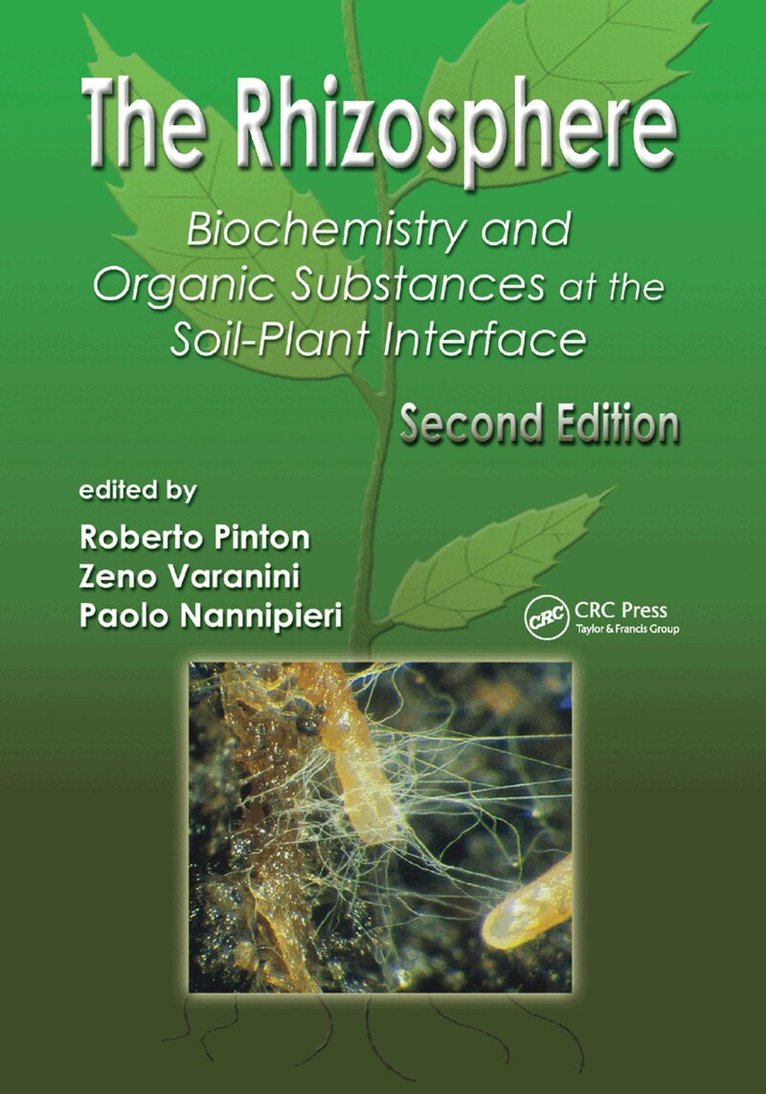
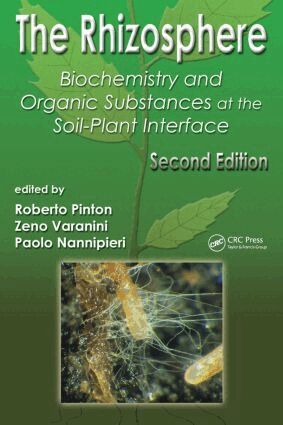
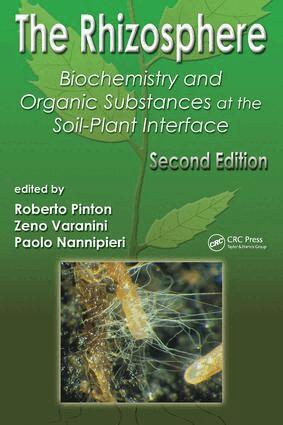
Rhizosphere
Biochemistry and Organic Substances at the Soil-Plant Interface, Second Edition
Av Roberto Pinton, Zeno Varanini m. fl.
Häftad, 2019
1038 kr
Lägg i varukorg
In the rhizosphere, exudates from plants and microorganisms as well as stable soil organic matter influence processes that can control plant growth, microbial infections, and nutrient uptake. As the chemistry and biochemistry of these substances becomes more and more clear, their study promises to …
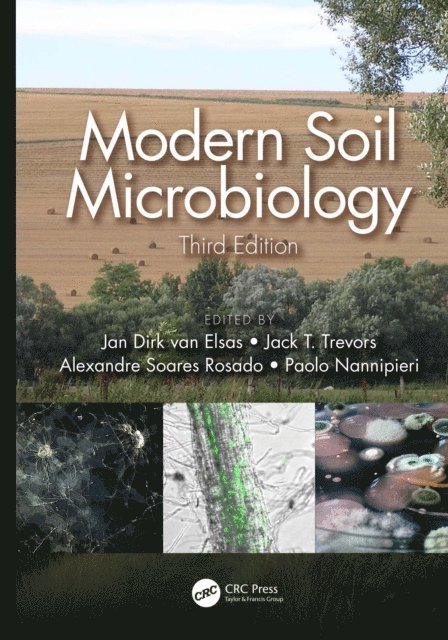
Modern Soil Microbiology, Third Edition
Av Paolo Nannipieri, Alexandre Soares Rosado m. fl.
E-bok, 2019
796 kr
Lägg i varukorg
The living soil is crucial to photosynthesis, biogeochemical cycles, global food production, climate change, biodiversity, and plant and animal health. In the past decade, scientists have made significant advances in soil microbiology research. While the basic principles are now better understood, …
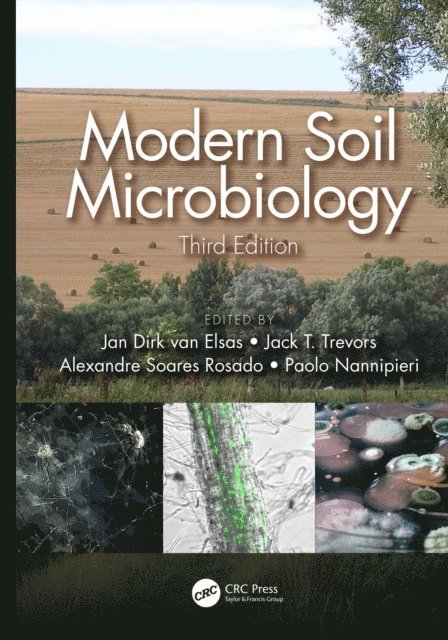
Modern Soil Microbiology, Third Edition
Av Paolo Nannipieri, Alexandre Soares Rosado m. fl.
E-bok, 2019
814 kr
Lägg i varukorg
The living soil is crucial to photosynthesis, biogeochemical cycles, global food production, climate change, biodiversity, and plant and animal health. In the past decade, scientists have made significant advances in soil microbiology research. While the basic principles are now better understood, …
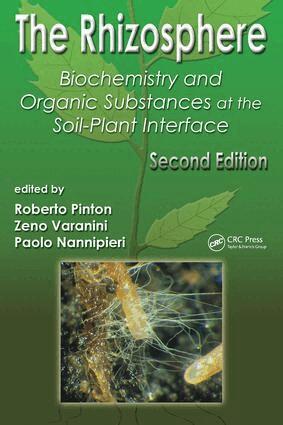
Rhizosphere
Biochemistry and Organic Substances at the Soil-Plant Interface, Second Edition
Av Roberto Pinton, Zeno Varanini m. fl.
Inbunden, 2007
3055 kr
Lägg i varukorg
In the rhizosphere, exudates from plants and microorganisms as well as stable soil organic matter influence processes that can control plant growth, microbial infections, and nutrient uptake. As the chemistry and biochemistry of these substances becomes more and more clear, their study promises to …
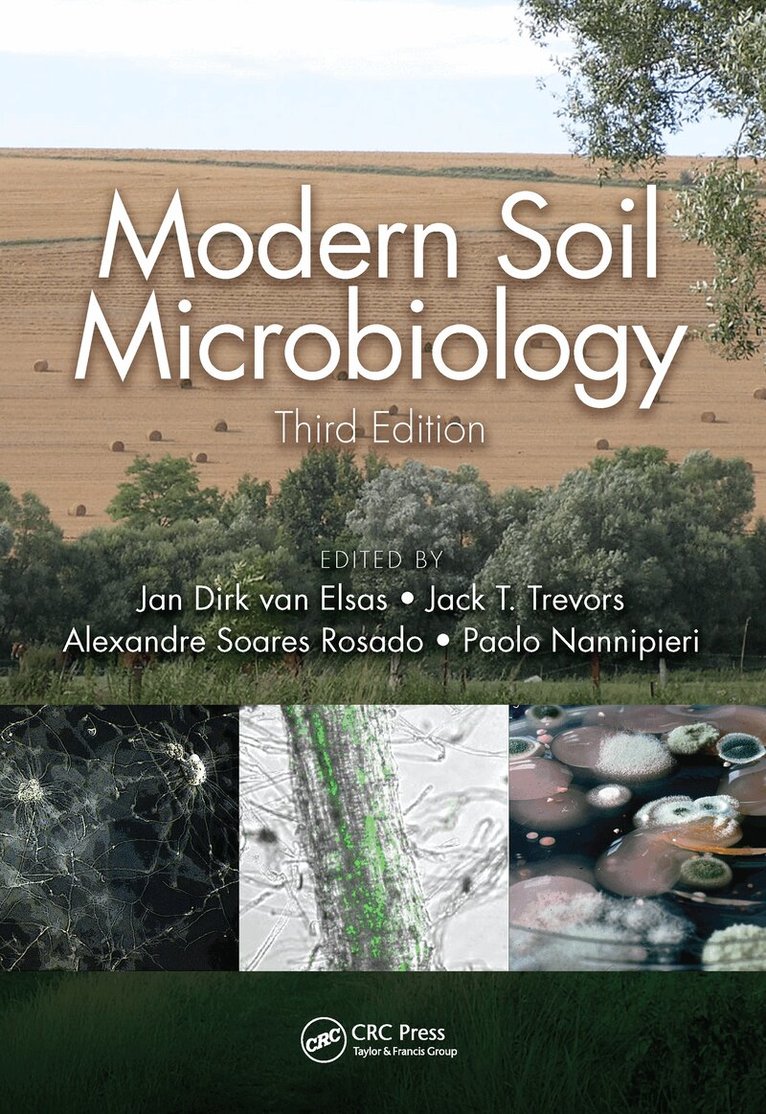
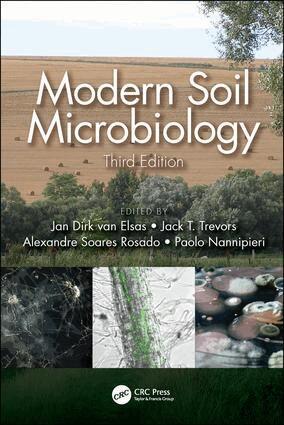
Modern Soil Microbiology, Third Edition
Av Jan Dirk van Elsas, Jack T. Trevors m. fl.
Häftad, 2021
691 kr
Lägg i varukorg
The living soil is crucial to photosynthesis, biogeochemical cycles, global food production, climate change, biodiversity, and plant and animal health. In the past decade, scientists have made significant advances in soil microbiology research. While the basic principles are now better understood, …
Rhizosphere
Biochemistry and Organic Substances at the Soil-Plant Interface, Second Edition
Av Roberto Pinton, Zeno Varanini m. fl.
E-bok, 2007
1091 kr
Lägg i varukorg
In the rhizosphere, exudates from plants and microorganisms as well as stable soil organic matter influence processes that can control plant growth, microbial infections, and nutrient uptake. As the chemistry and biochemistry of these substances becomes more and more clear, their study promises to …
Rhizosphere
Biochemistry and Organic Substances at the Soil-Plant Interface, Second Edition
Av Roberto Pinton, Zeno Varanini m. fl.
E-bok, 2007
1091 kr
Lägg i varukorg
In the rhizosphere, exudates from plants and microorganisms as well as stable soil organic matter influence processes that can control plant growth, microbial infections, and nutrient uptake. As the chemistry and biochemistry of these substances becomes more and more clear, their study promises to …
Modern Soil Microbiology, Third Edition
Av Jan Dirk van Elsas, Jack T. Trevors m. fl.
Inbunden, 2019
1226 kr
Lägg i varukorg
The living soil is crucial to photosynthesis, biogeochemical cycles, global food production, climate change, biodiversity, and plant and animal health. In the past decade, scientists have made significant advances in soil microbiology research. While the basic principles are now better understood, …
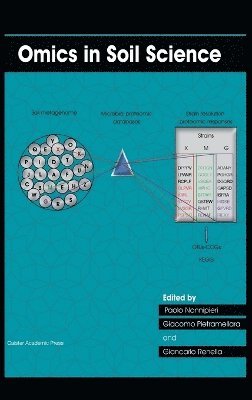
Omics in Soil Science
Av Paolo Nannipieri, Giacomo Pietramellara m. fl.
Inbunden, 2014
3146 kr
Lägg i varukorg
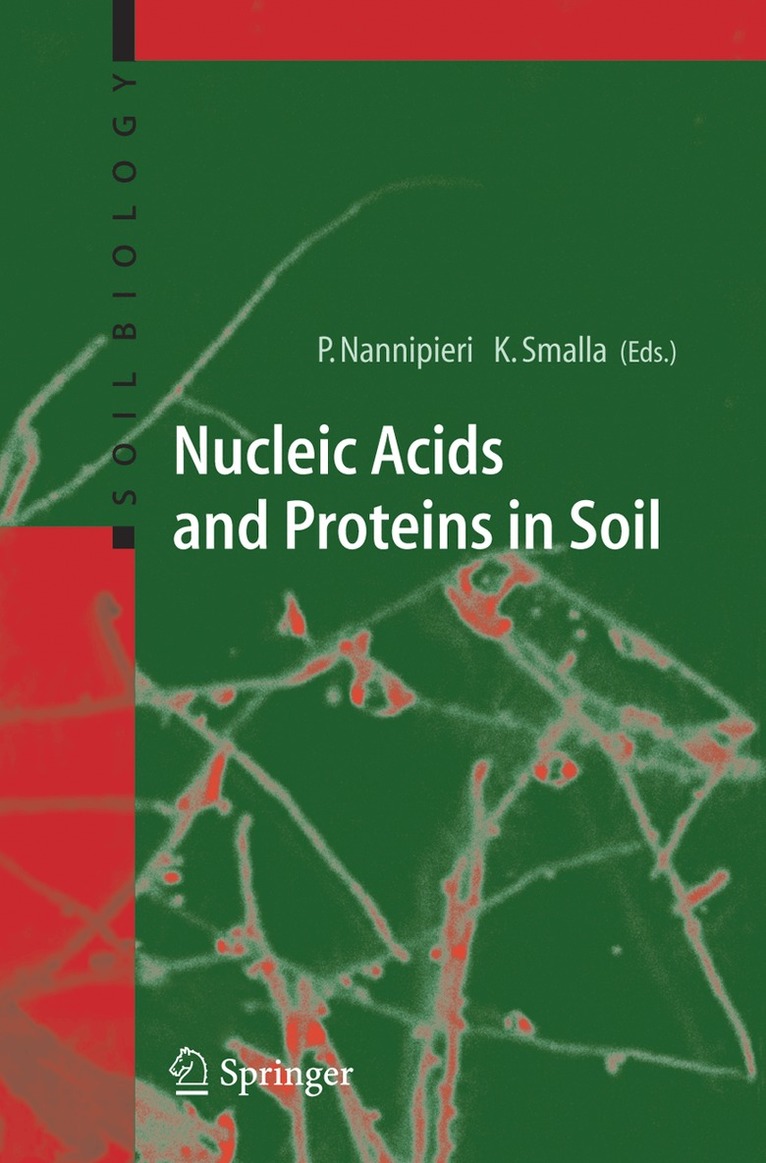
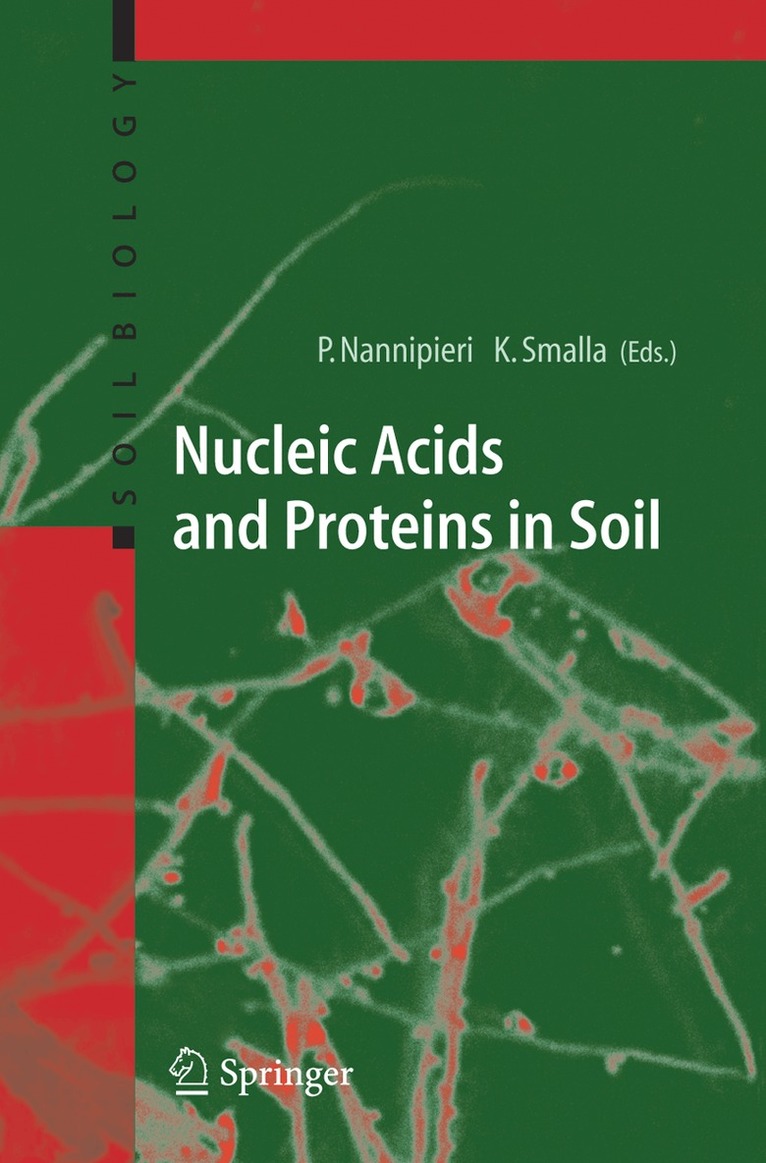
Nucleic Acids and Proteins in Soil
Av Paolo Nannipieri, Kornelia Smalla
Inbunden, 2006
2727 kr
Lägg i varukorg
With millions of different bacterial species living in soil, the microbial community is extremely complex, varying at very small scales. Microbe-driven functions are essential for most processes in soil. Thus, a better understanding of this microbial diversity will be invaluable for the management …
Nucleic Acids and Proteins in Soil
Av Kornelia Smalla, Paolo Nannipieri
E-bok, 2006
3577 kr
Lägg i varukorg
With millions of different bacterial species living in soil, the microbial community is extremely complex, varying at very small scales. Microbe-driven functions are essential for most processes in soil. Thus, a better understanding of this microbial diversity will be invaluable for the management …
Nucleic Acids and Proteins in Soil
Av Paolo Nannipieri, Kornelia Smalla
Häftad, 2010
2727 kr
Lägg i varukorg
With millions of different bacterial species living in soil, the microbial community is extremely complex, varying at very small scales. Microbe-driven functions are essential for most processes in soil. Thus, a better understanding of this microbial diversity will be invaluable for the management …