Pari Riahi - Böcker
Visar alla böcker från författaren Pari Riahi. Handla med fri frakt och snabb leverans.
4 produkter
4 produkter
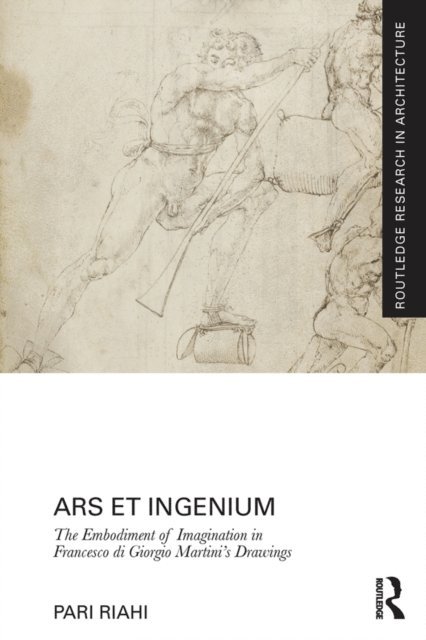
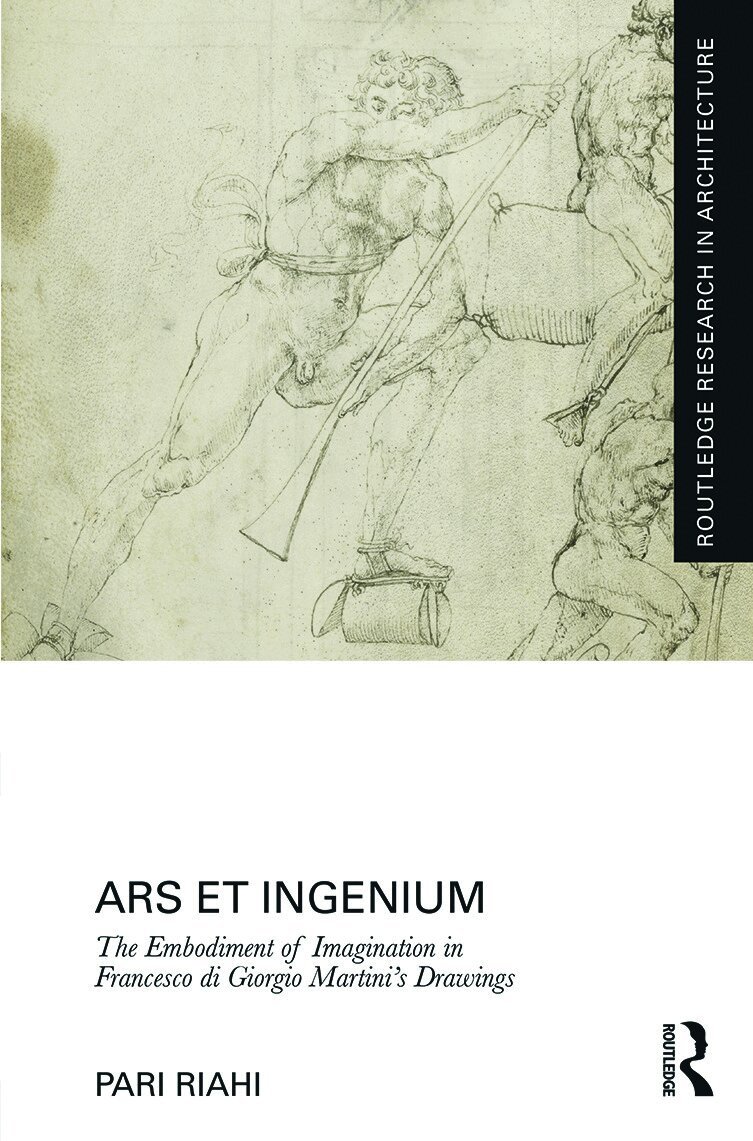
Ars et Ingenium: The Embodiment of Imagination in Francesco di Giorgio Martini's Drawings
Inbunden, Engelska, 2015
2 235 kr
Skickas inom 10-15 vardagar
When did drawing become an integral part of architecture? Among several architects and artists who brought about this change during the Renaissance, Francesco di Giorgio Martini’s ideas on drawing recorded in his Trattati di architettura, ingegneria e arte militare (1475-1490) are significant. Francesco suggests that drawing is linked to the architect’s imagination and central in conveying images and ideas to others. Starting with the broader edges of Francesco’s written work and steadily penetrating into the fantastic world of his drawings, the book examines his singular formulation of the act of drawing and its significance in the context of the Renaissance. The book concludes with speculations on how Francesco’s work is relevant to us at the onset of another major shift in architecture caused by the proliferation of digital media.
Ars et Ingenium: The Embodiment of Imagination in Francesco di Giorgio Martini's Drawings
Häftad, Engelska, 2016
752 kr
Skickas inom 10-15 vardagar
When did drawing become an integral part of architecture? Among several architects and artists who brought about this change during the Renaissance, Francesco di Giorgio Martini’s ideas on drawing recorded in his Trattati di architettura, ingegneria e arte militare (1475-1490) are significant. Francesco suggests that drawing is linked to the architect’s imagination and central in conveying images and ideas to others. Starting with the broader edges of Francesco’s written work and steadily penetrating into the fantastic world of his drawings, the book examines his singular formulation of the act of drawing and its significance in the context of the Renaissance. The book concludes with speculations on how Francesco’s work is relevant to us at the onset of another major shift in architecture caused by the proliferation of digital media.
348 kr
Skickas inom 7-10 vardagar
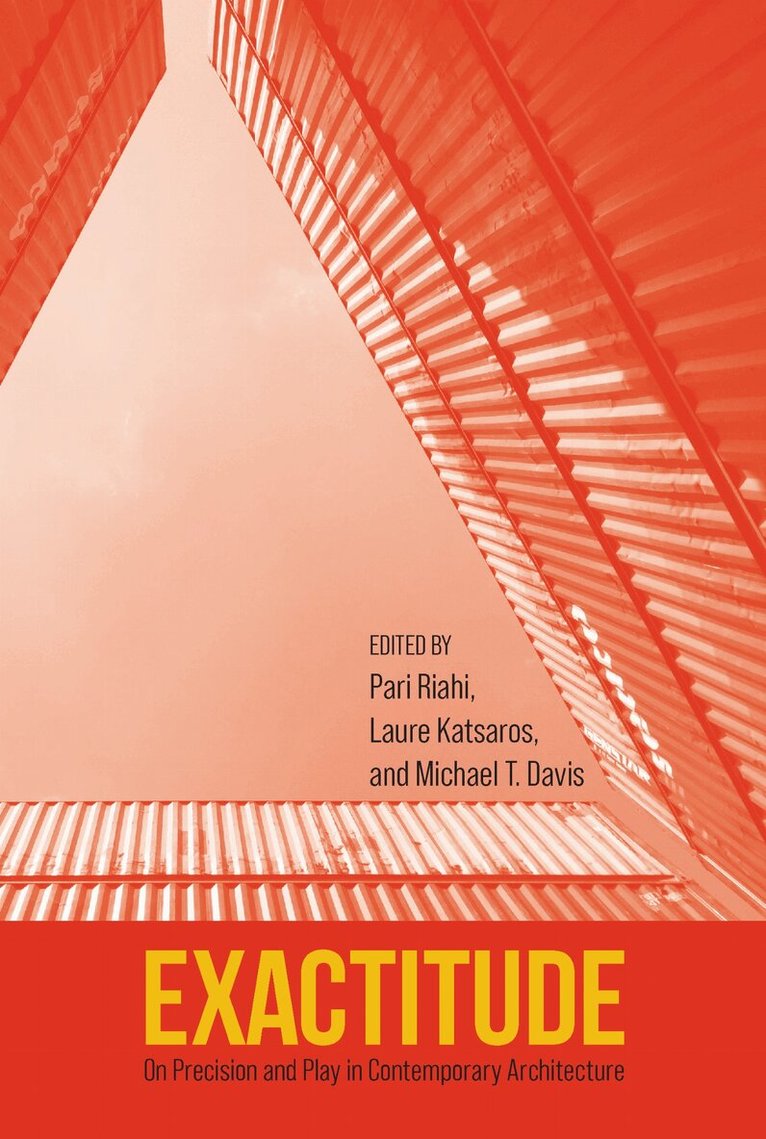
Precision is necessary in the field of architecture, and new technologies have increased demands for accuracy, particularly when the smallest errors can have outsized consequences. However, the importance of precision, or exactitude, has not received the consideration it merits. While themes of sustainability, performance, and formal innovation have been at the forefront of architectural scholarship for the past twenty years, this book moves beyond these concerns to explore the theoretical and practical demands exactitude makes on architecture as a field.The eleven essays collected here investigate the possibilities and shortcomings of exactitude and delve into current debates about the state of contemporary architecture as both a technological craft and artistic creation. Featuring new work by leading theorists, historians, editors, architects, and scholars, this volume brings theory and practice into insightful and productive conversations. In addition to the editors, contributors include Mark Wigley, Alejandro Zaera-Polo, Eric Höweler, Christopher Benfey, Sunil Bald, Ada Tolla and Giuseppe Lignano with Thomas de Monchaux, Alicia Imperiale, Francesca Hughes, Teresa Stoppani, and Cynthia Davidson.
1 085 kr
Skickas inom 7-10 vardagar
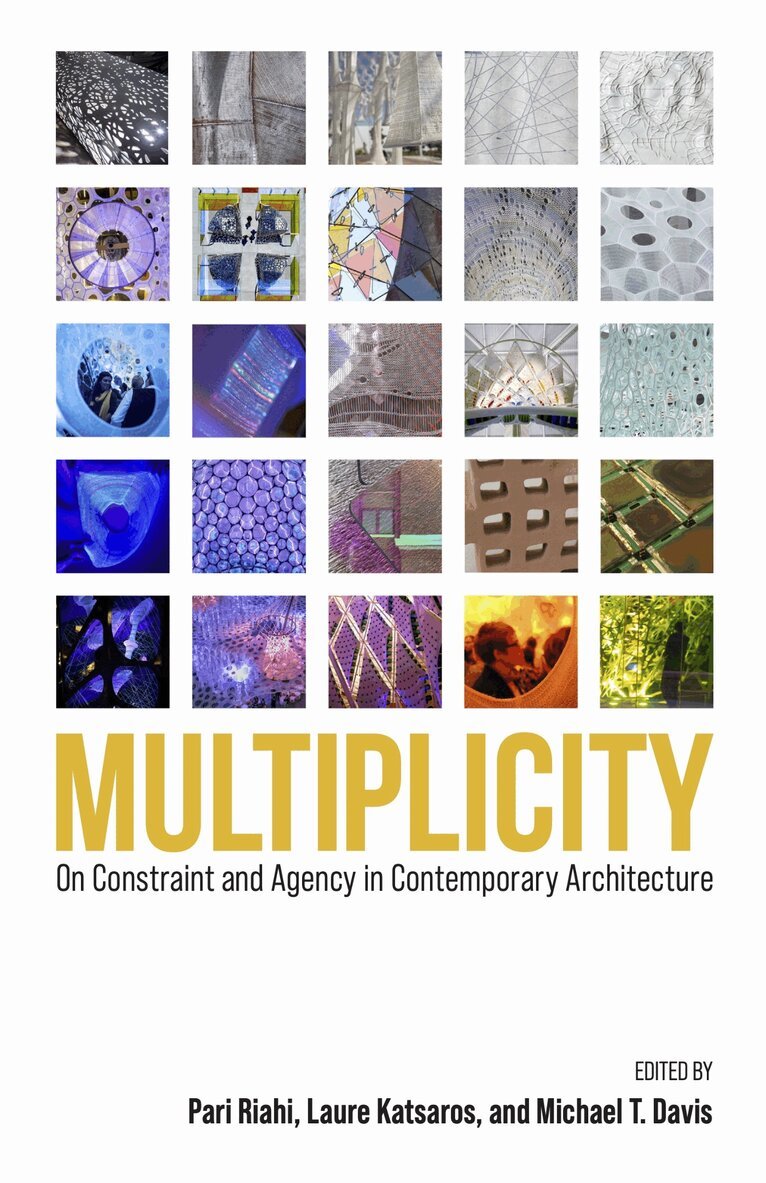
Today, the field of architecture faces a reckoning. While there is no longer consensus on what defines an architectural work, theorists, historians, and practitioners are grappling with urgent issues—among them the impact of climate change, the dynamics of power and race in relation with the built environment, and the technological, practical, and ethical dimensions of architecture. As established practices, academic objectives, and professional expectations come under scrutiny, architecture is in search of new definitions, identities, and voices. Inspired by Italo Calvino’s memos about literature in the twenty-first century, this volume—the second in a series— situates architecture within a broad framework, exploring its complex interactions with environmental, cultural, political, social, artistic, and technological forces. The editors’ objective is to spur conversation across the boundaries that divide architecture’s theorists and historians from practitioners. In addition to the editors, the contributors include Sanford Kwinter, Aleksandra Jaeschke, Jennifer Mack, Rahul Mehrotra, Charles Waldheim, Kristi Cheramie, Jesse Reiser, Julian Harake, Jenny E. Sabin, Charles Davis, Esra Akcan, and David Karmon.