Parissa Taheri – författare
Visar alla böcker från författaren Parissa Taheri. Handla med fri frakt och snabb leverans.
4 produkter
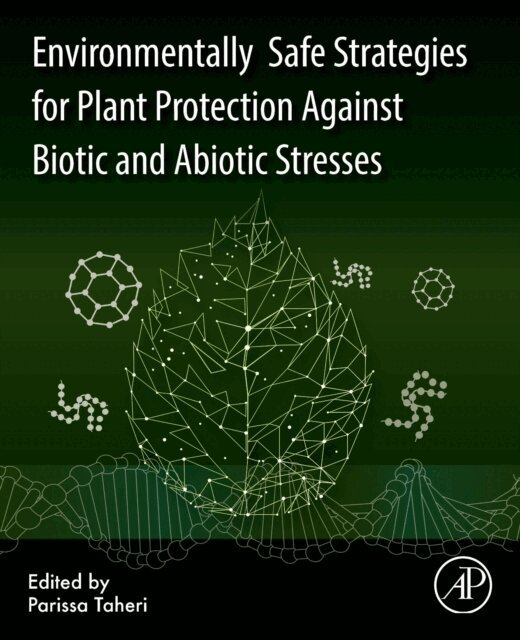
Environmentally Safe Strategies for Plant Protection Against Biotic and Abiotic Stresses
Häftad, 2025
2161 kr
Lägg i varukorg
Environmentally Safe Strategies for Plant Protection Against Biotic and Abiotic Stresses presents environmentally friendly and safe methods for plant protection against not only biotic stresses caused by various pathogens and pests, but also against abiotic stresses such as salinity, drought, UV …
Environmentally Safe Strategies for Plant Protection Against Biotic and Abiotic Stresses
E-bok, 2025
2572 kr
Lägg i varukorg
Environmentally Safe Strategies for Plant Protection Against Biotic and Abiotic Stresses presents environmentally friendly and safe methods for plant protection against not only biotic stresses caused by various pathogens and pests, but also against abiotic stresses such as salinity, drought, UV …
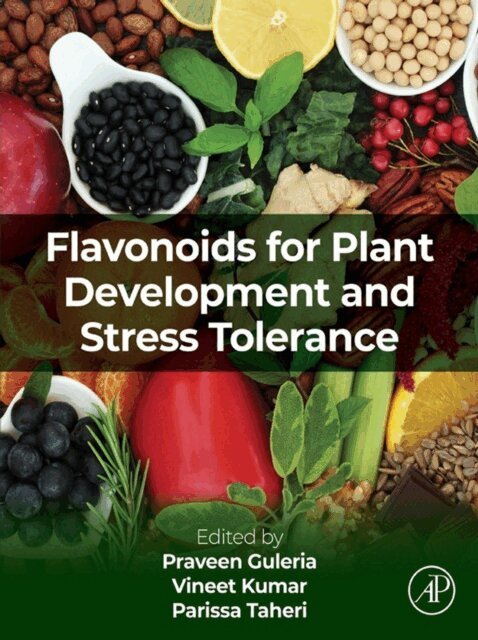
Flavonoids for Plant Development and Stress Tolerance
Av Praveen Guleria, Vineet Kumar m. fl.
Häftad, 2025
1932 kr
Lägg i varukorg
Flavonoids for Plant Development and Stress Tolerance presents the latest information on the genetic and molecular networks induced by flavonoids that regulate plant and microbe interactions. Covering recent studies, innovations, and future perspectives on flavonoid metabolism, this book explores …
Flavonoids for Plant Development and Stress Tolerance
Av Parissa Taheri, Vineet Kumar m. fl.
E-bok, 2025
2444 kr
Lägg i varukorg
Flavonoids for Plant Development and Stress Tolerance presents the latest information on the genetic and molecular networks induced by flavonoids that regulate plant and microbe interactions. Covering recent studies, innovations, and future perspectives on flavonoid metabolism, this book explores …