Partha Ghose – författare
Visar alla böcker från författaren Partha Ghose. Handla med fri frakt och snabb leverans.
10 produkter
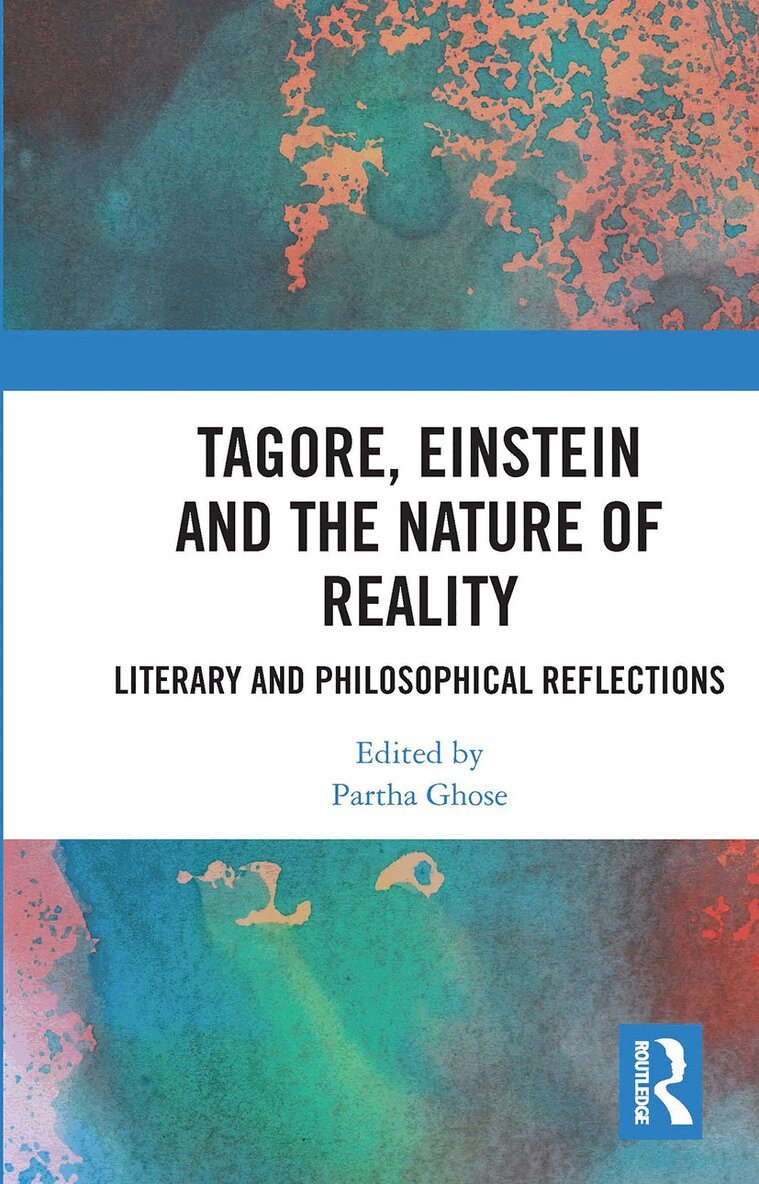
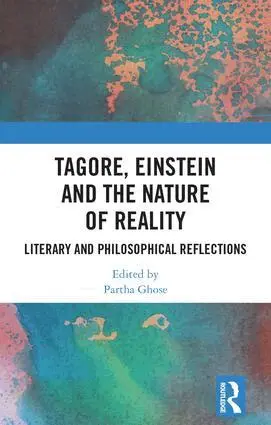
Tagore, Einstein and the Nature of Reality
Literary and Philosophical Reflections
Av Partha Ghose
Häftad, 2020
649 kr
Lägg i varukorg
This volume consists of a selection of scholarly essays from literature, philosophy and history on the conception of reality as understood by Rabindranath Tagore and Albert Einstein. The nature of reality has been a long-debated issue among scientists and philosophers. Tagore (1861–1941) met …
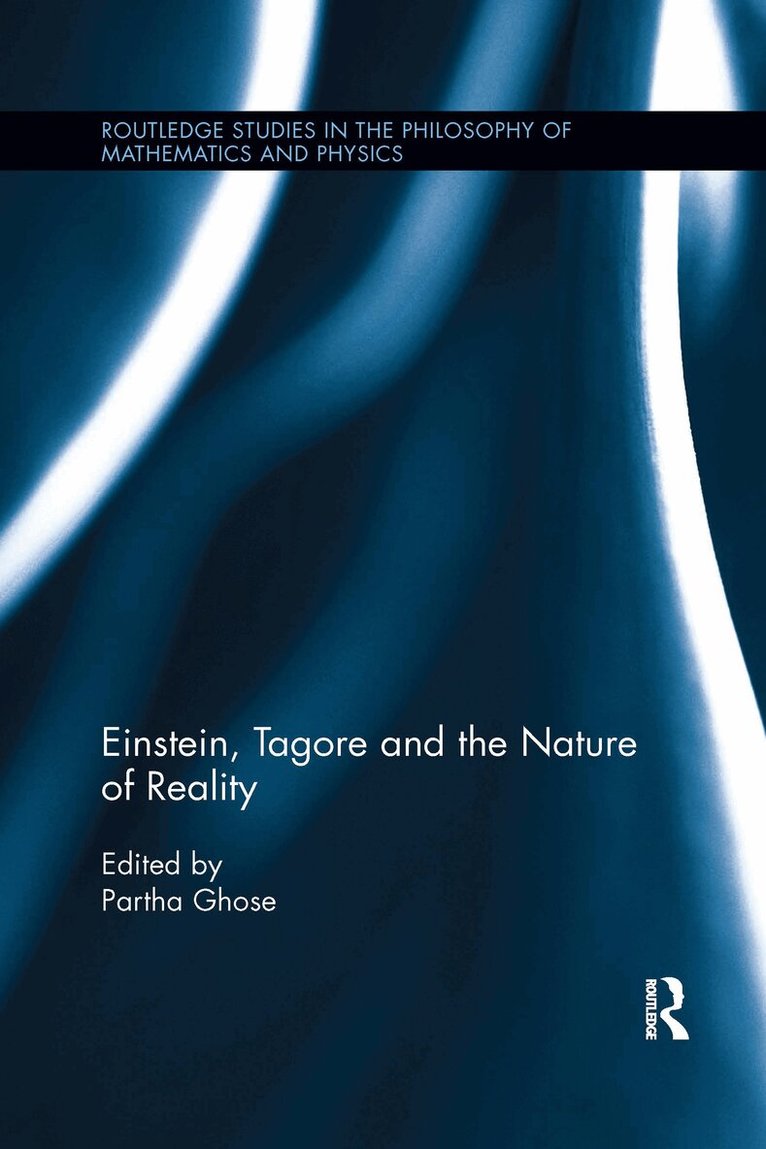
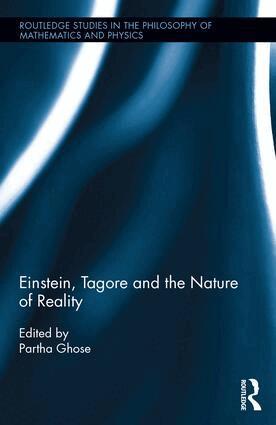
Einstein, Tagore and the Nature of Reality
Av Partha Ghose
Häftad, 2020
707 kr
Lägg i varukorg
The nature of reality has been a long-debated issue among scientists and philosophers. In 1930, Rabindranath Tagore and Albert Einstein had a long conversation on the nature of reality. This conversation has been widely quoted and discussed by scientists, philosophers and scholars from the literary …
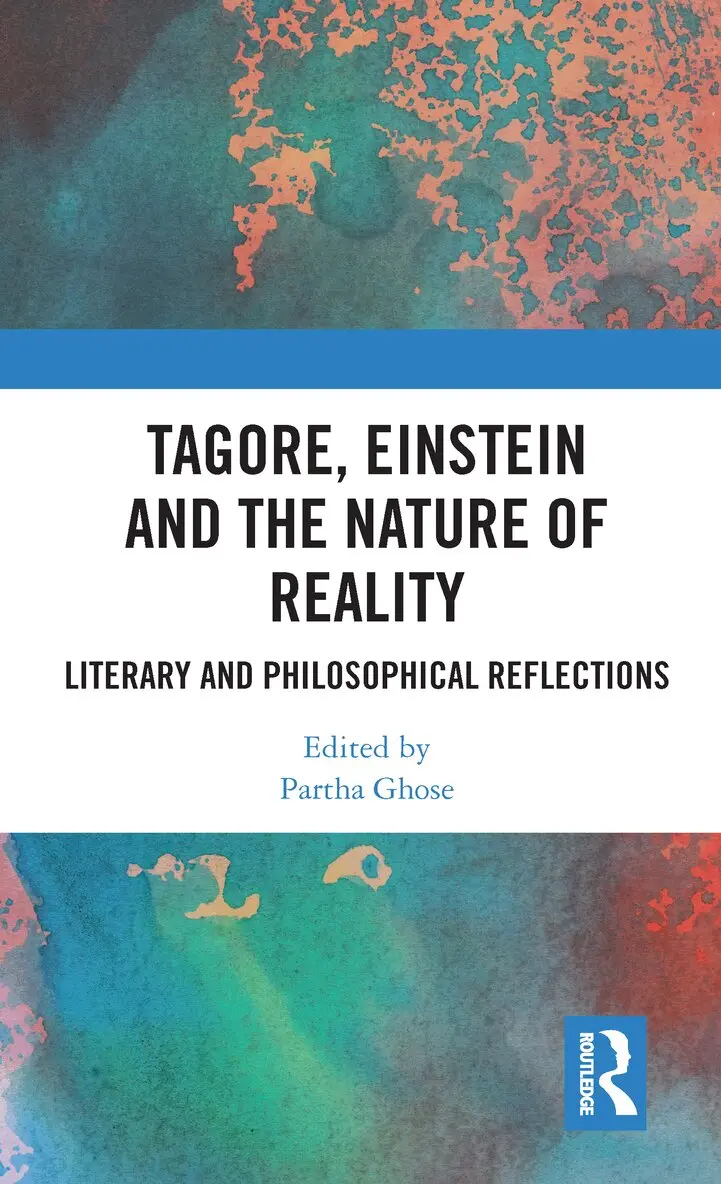
Tagore, Einstein and the Nature of Reality
Literary and Philosophical Reflections
Av Partha Ghose
E-bok, 2019
762 kr
Lägg i varukorg
This volume consists of a selection of scholarly essays from literature, philosophy and history on the conception of reality as understood by Rabindranath Tagore and Albert Einstein. The nature of reality has been a long-debated issue among scientists and philosophers. Tagore (1861–1941) met …
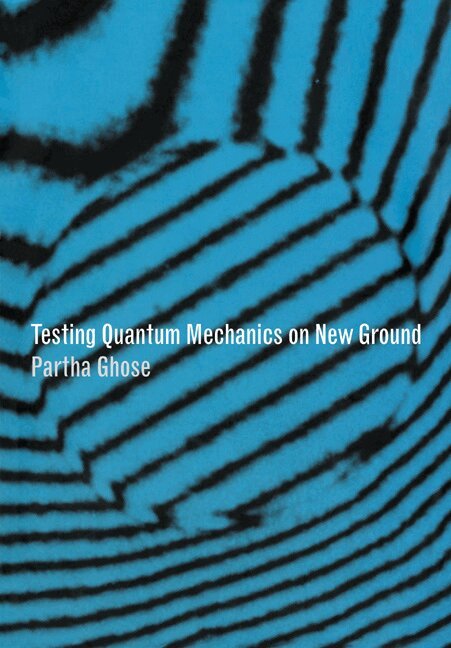
Testing Quantum Mechanics on New Ground
Av Partha Ghose
Häftad, 2006
667 kr
Lägg i varukorg
Technological advances have made it possible to perform experiments, once considered to be purely gedanken, which test the counterintuitive and bizarre consequences of quantum theory. This book provides simple accounts of these experiments and an understanding of what they aim to prove and why this …
Tagore, Einstein and the Nature of Reality
Literary and Philosophical Reflections
Av Partha Ghose
Inbunden, 2019
2515 kr
Lägg i varukorg
This volume consists of a selection of scholarly essays from literature, philosophy and history on the conception of reality as understood by Rabindranath Tagore and Albert Einstein. The nature of reality has been a long-debated issue among scientists and philosophers. Tagore (1861–1941) met …
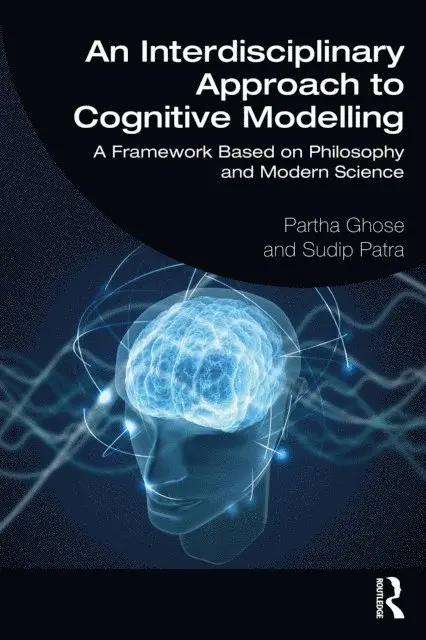
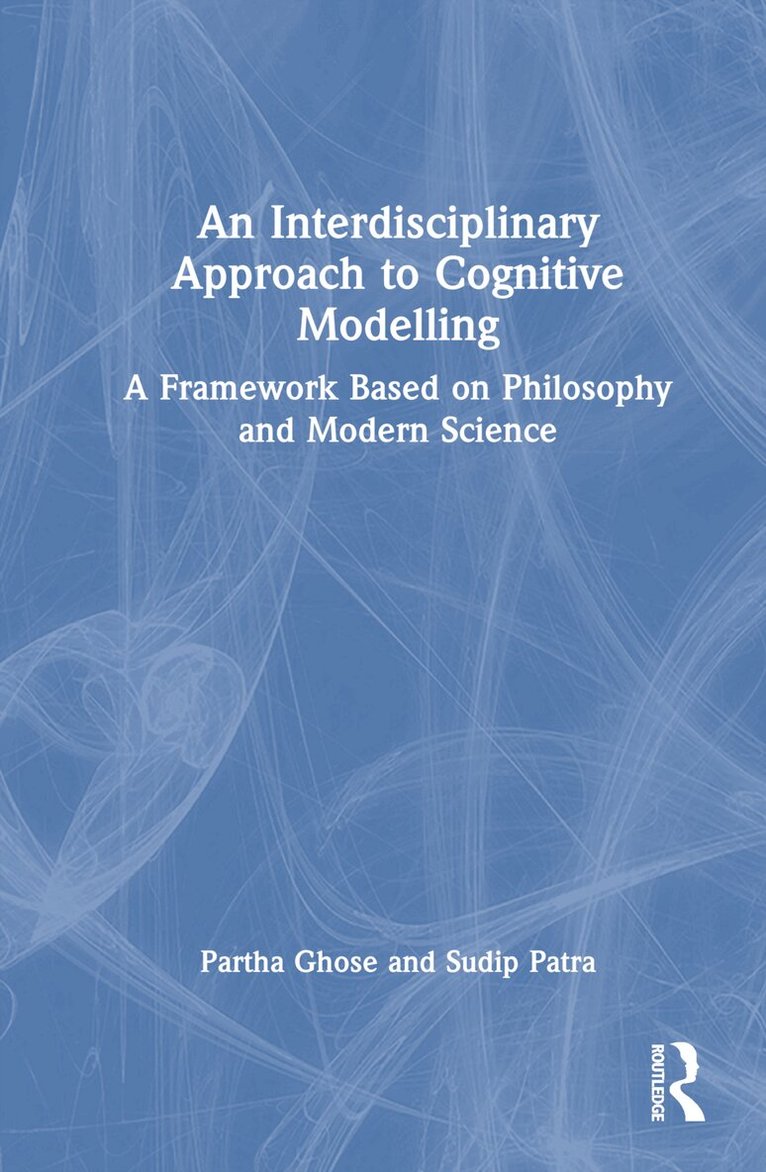
Interdisciplinary Approach to Cognitive Modelling
A Framework Based on Philosophy and Modern Science
E-bok, 2023
796 kr
Lägg i varukorg
An Interdisciplinary Approach to Cognitive Modelling presents a new approach to cognition that challenges long-held views. It systematically develops a broad-based framework to model cognition, which is mathematically equivalent to the emerging ‘quantum-like modelling’ of the human mind. The …
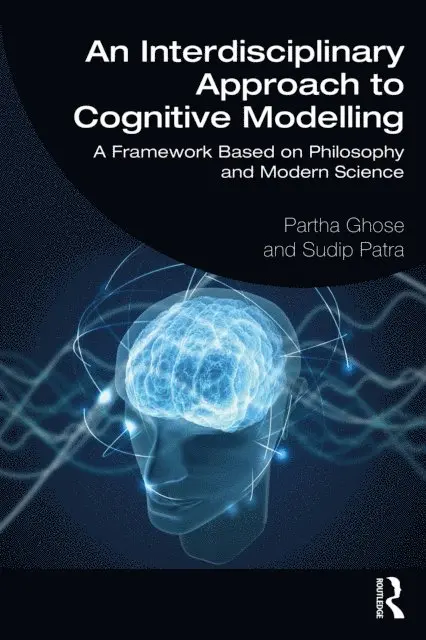
Interdisciplinary Approach to Cognitive Modelling
A Framework Based on Philosophy and Modern Science
E-bok, 2023
796 kr
Lägg i varukorg
An Interdisciplinary Approach to Cognitive Modelling presents a new approach to cognition that challenges long-held views. It systematically develops a broad-based framework to model cognition, which is mathematically equivalent to the emerging ‘quantum-like modelling’ of the human mind. The …
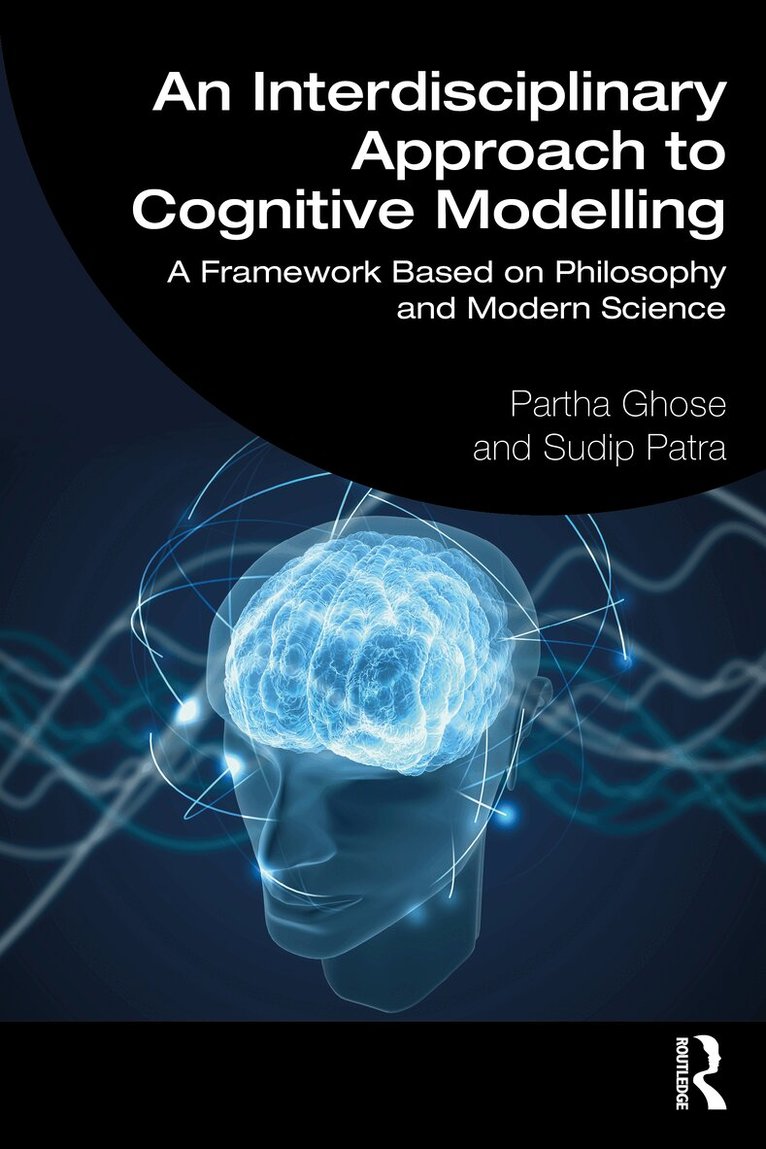
Interdisciplinary Approach to Cognitive Modelling
A Framework Based on Philosophy and Modern Science
Häftad, 2023
692 kr
Lägg i varukorg
An Interdisciplinary Approach to Cognitive Modelling presents a new approach to cognition that challenges long-held views. It systematically develops a broad-based framework to model cognition, which is mathematically equivalent to the emerging ‘quantum-like modelling’ of the human mind. The book …
Interdisciplinary Approach to Cognitive Modelling
A Framework Based on Philosophy and Modern Science
Inbunden, 2023
2515 kr
Lägg i varukorg
An Interdisciplinary Approach to Cognitive Modelling presents a new approach to cognition that challenges long-held views. It systematically develops a broad-based framework to model cognition, which is mathematically equivalent to the emerging ‘quantum-like modelling’ of the human mind. The book …
Einstein, Tagore and the Nature of Reality
Av Partha Ghose
Inbunden, 2016
2515 kr
Lägg i varukorg
The nature of reality has been a long-debated issue among scientists and philosophers. In 1930, Rabindranath Tagore and Albert Einstein had a long conversation on the nature of reality. This conversation has been widely quoted and discussed by scientists, philosophers and scholars from the literary …