Pascale Carayon - Böcker
Visar alla böcker från författaren Pascale Carayon. Handla med fri frakt och snabb leverans.
3 produkter
3 produkter
1 219 kr
Skickas inom 10-15 vardagar
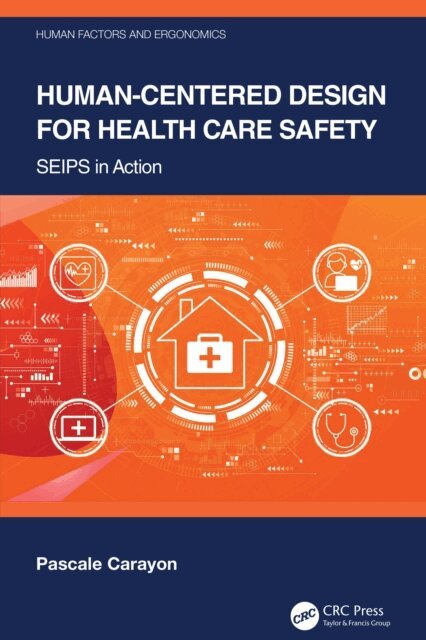
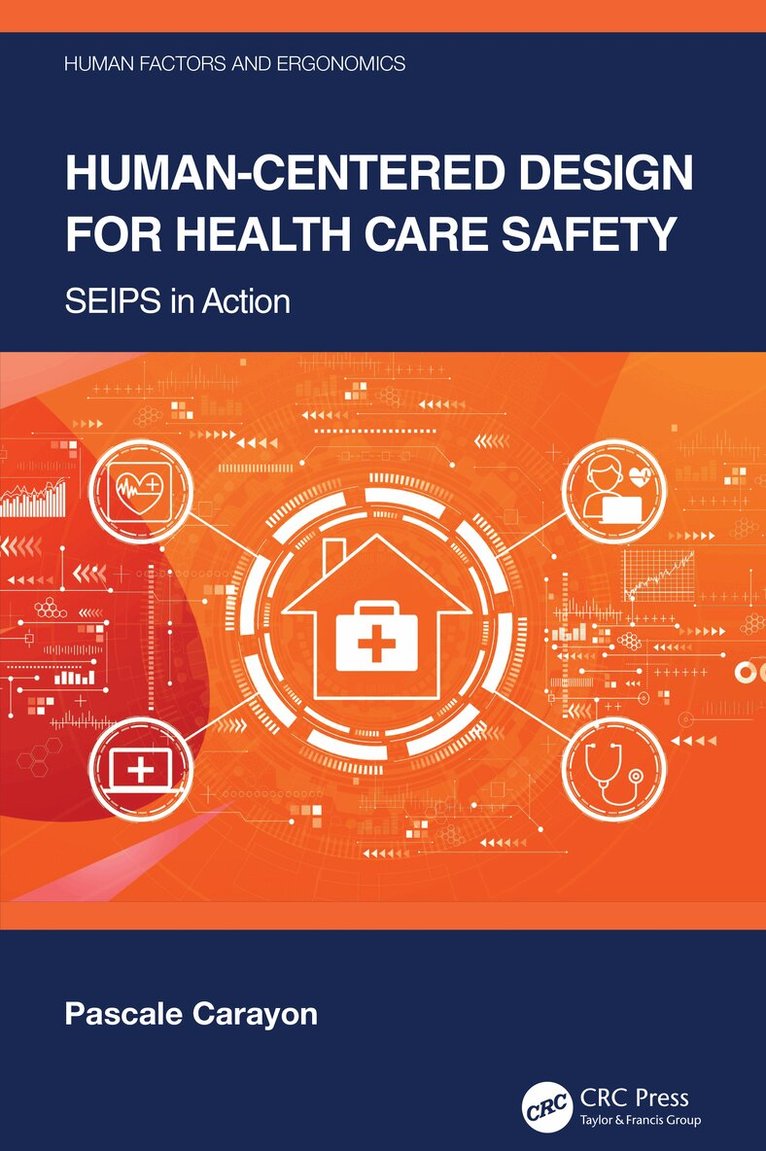
Human-Centered Design for Health Care Safety describes a conceptual framework (SEIPS or Systems Engineering Initiative for Patient Safety) based on the Human Factors and Ergonomics (HFE) discipline and associated human-centered design (HCD) approaches and methods that can help to create innovative solutions for enhancing health care safety. Health care safety remains a major concern around the world. With global crises, such as economic downturns and the COVID-19 pandemic, we have observed deterioration in many aspects of patient safety, as well as major problems for health care workers, including burnout, stress and issues of occupational safety and health. Therefore, we need renewed attention on how to design health care work systems and care processes to improve safety for patients and health care workers. This book describes key aspects of a widely adopted HFE systems approach to health care safety and methods for HCD in health care. It provides insights into challenges for future research in health care safety. The benefits of SEIPS are promoted throughout the text and reveal how they can lead to improvement in the design of technologies, environments and the rest of the work system; thereby, supporting, instead of hindering, the activities of all care team members, including patients and care partners. Case studies reveal examples of SEIPS in action and various domains of health care safety. The book provides practical tips on how SEIPS is implemented in practice. The readers will benefit from this book as it describes the foundation for SEIPS and HCD and multiple applications across varied settings and domains of health care safety. They will receive a toolkit for enacting solutions in their work environment. This exciting and topical title will appeal to students and professionals in the fields of health care, medicine, nursing, pharmacy, other health professions and pharmaceuticals. It will also appeal to industrial and systems engineers, biomedical engineers, HFE professionals and designers.

1 261 kr
Skickas inom 10-15 vardagar
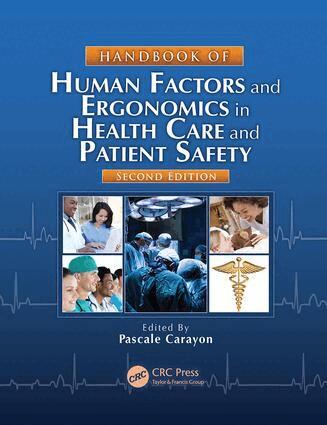
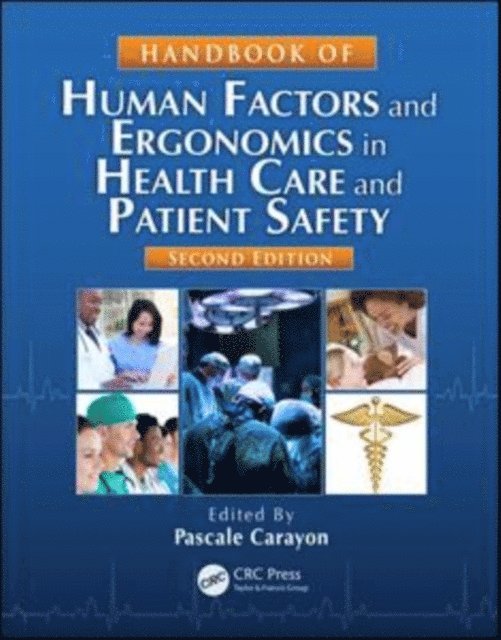
The first edition of Handbook of Human Factors and Ergonomics in Health Care and Patient Safety took the medical and ergonomics communities by storm with in-depth coverage of human factors and ergonomics research, concepts, theories, models, methods, and interventions and how they can be applied in health care. Other books focus on particular human factors and ergonomics issues such as human error or design of medical devices or a specific application such as emergency medicine. This book draws on both areas to provide a compendium of human factors and ergonomics issues relevant to health care and patient safety.The second edition takes a more practical approach with coverage of methods, interventions, and applications and a greater range of domains such as medication safety, surgery, anesthesia, and infection prevention. New topics include: work scheduleserror recoverytelemedicineworkflow analysissimulationhealth information technology development and designpatient safety managementReflecting developments and advances in the five years since the first edition, the book explores medical technology and telemedicine and puts a special emphasis on the contributions of human factors and ergonomics to the improvement of patient safety and quality of care. In order to take patient safety to the next level, collaboration between human factors professionals and health care providers must occur. This book brings both groups closer to achieving that goal.
3 280 kr
Skickas inom 10-15 vardagar
The first edition of Handbook of Human Factors and Ergonomics in Health Care and Patient Safety took the medical and ergonomics communities by storm with in-depth coverage of human factors and ergonomics research, concepts, theories, models, methods, and interventions and how they can be applied in health care. Other books focus on particular human factors and ergonomics issues such as human error or design of medical devices or a specific application such as emergency medicine. This book draws on both areas to provide a compendium of human factors and ergonomics issues relevant to health care and patient safety.The second edition takes a more practical approach with coverage of methods, interventions, and applications and a greater range of domains such as medication safety, surgery, anesthesia, and infection prevention. New topics include: work scheduleserror recoverytelemedicineworkflow analysissimulationhealth information technology development and designpatient safety managementReflecting developments and advances in the five years since the first edition, the book explores medical technology and telemedicine and puts a special emphasis on the contributions of human factors and ergonomics to the improvement of patient safety and quality of care. In order to take patient safety to the next level, collaboration between human factors professionals and health care providers must occur. This book brings both groups closer to achieving that goal.