Pascale Casanova – författare
Visar alla böcker från författaren Pascale Casanova. Handla med fri frakt och snabb leverans.
4 produkter
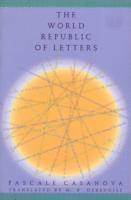
World Republic of Letters
Häftad, 2007
304 kr
Lägg i varukorg
The "world of letters" has always seemed a matter more of metaphor than of global reality. In this book, Pascale Casanova shows us the state of world literature behind the stylistic refinements--a world of letters relatively independent from economic and political realms, and in which language …
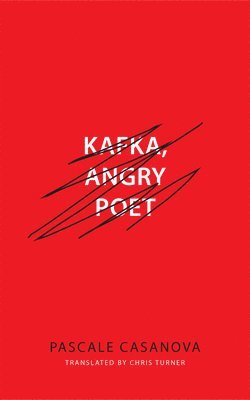
Kafka, Angry Poet
Inbunden, 2015
493 kr
Lägg i varukorg
Franz Kafka was one of the most influential writers of the twentieth century. His writing contributed greatly to existentialism, and the term "Kafkaesque" is now synonymous with the literature of the surreal, the complex, and the illogical. His works sustained themes of violence, family conflict, …
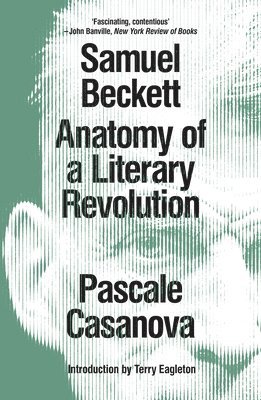
Samuel Beckett
Anatomy of a Literary Revolution
Häftad, 2020
219 kr
Lägg i varukorg
In this fascinating new exploration of Samuel Beckett's work, Pascale Casanova argues that Beckett's reputation rests on a pervasive misreading of his oeuvre, which neglects entirely the literary revolution he instigated. Reintroducing the historical into the heart of this body of work, Casanova …
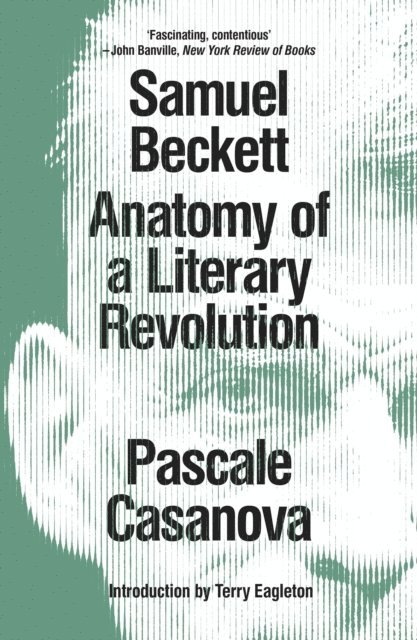
Samuel Beckett
Anatomy of a Literary Revolution
E-bok, 2020
150 kr
Lägg i varukorg
In this fascinating new exploration of Samuel Beckett''s work, Pascale Casanova argues that Beckett''s reputation rests on a pervasive misreading of his oeuvre, which neglects entirely the literary revolution he instigated. Reintroducing the historical into the heart of this body of work, Casanova …