Pascale Fleury – författare
Visar alla böcker från författaren Pascale Fleury. Handla med fri frakt och snabb leverans.
3 produkter
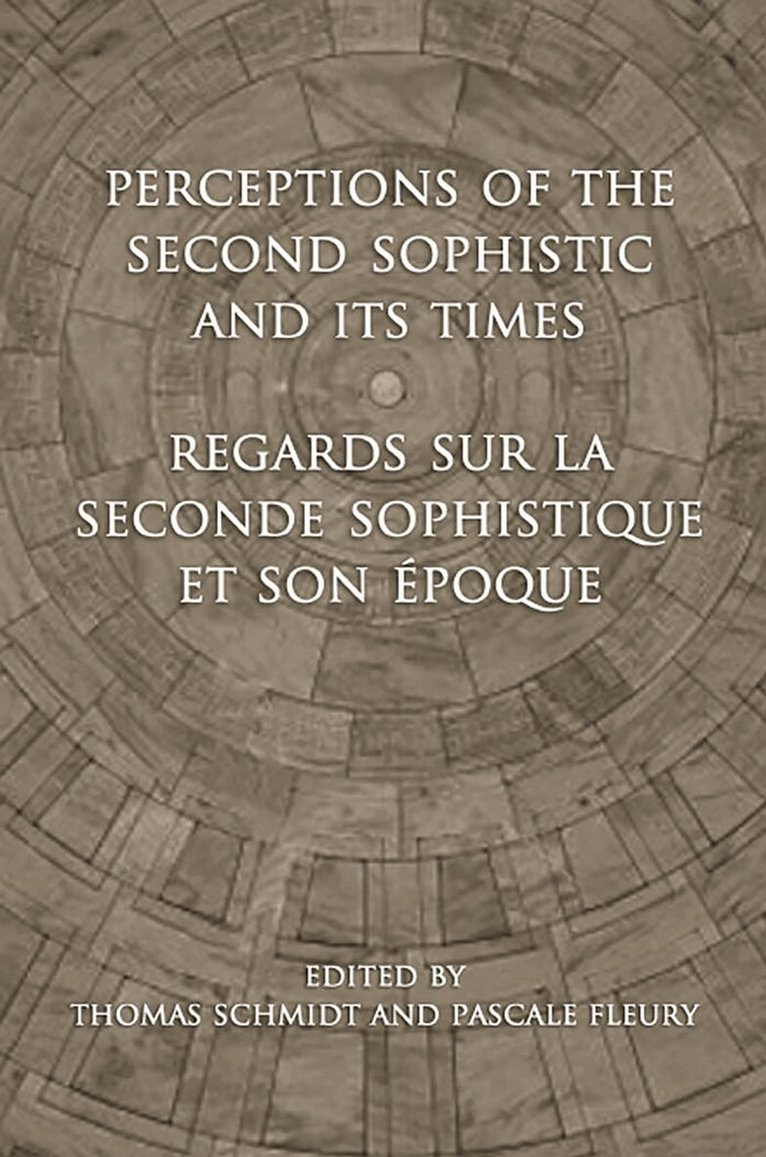
Perceptions of the Second Sophistic and Its Times - Regards Sur La Seconde Sophistique Et Son Époque
Av Thomas Schmidt, Pascale Fleury
Inbunden, 2011
1021 kr
Lägg i varukorg
The Second Sophistic (50 to 250 BCE) was an intellectual movement throughout the ancient Greek and Roman world. Although it can be characterized as a literary and cultural phenomenon of which rhetoric is an essential component, other themes and values such as peideia, mimesis, the glorification of …
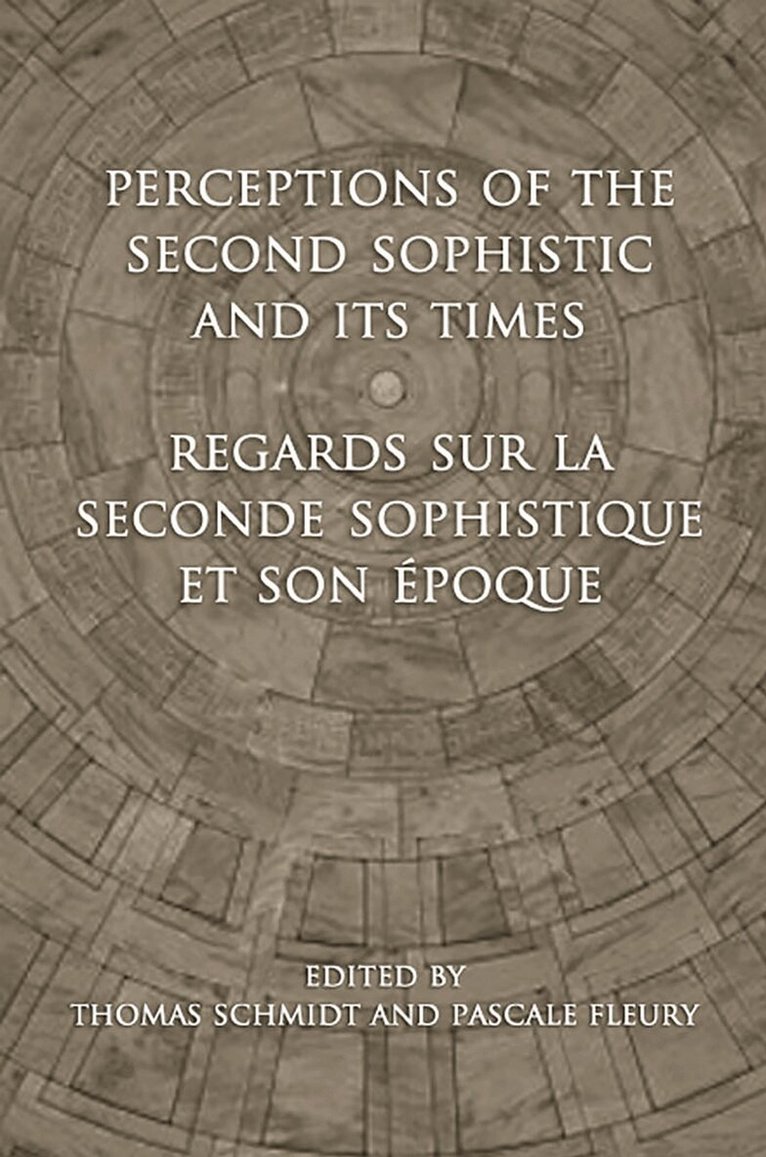
Perceptions of the Second Sophistic and Its Times - Regards Sur La Seconde Sophistique Et Son Époque
Av Thomas Schmidt, Pascale Fleury
E-bok, 2010
1368 kr
Lägg i varukorg
The Second Sophistic (50 to 250 BCE) was an intellectual movement throughout the ancient Greek and Roman world. Although it can be characterized as a literary and cultural phenomenon of which rhetoric is an essential component, other themes and values such as peideia, mimesis, the glorification of …
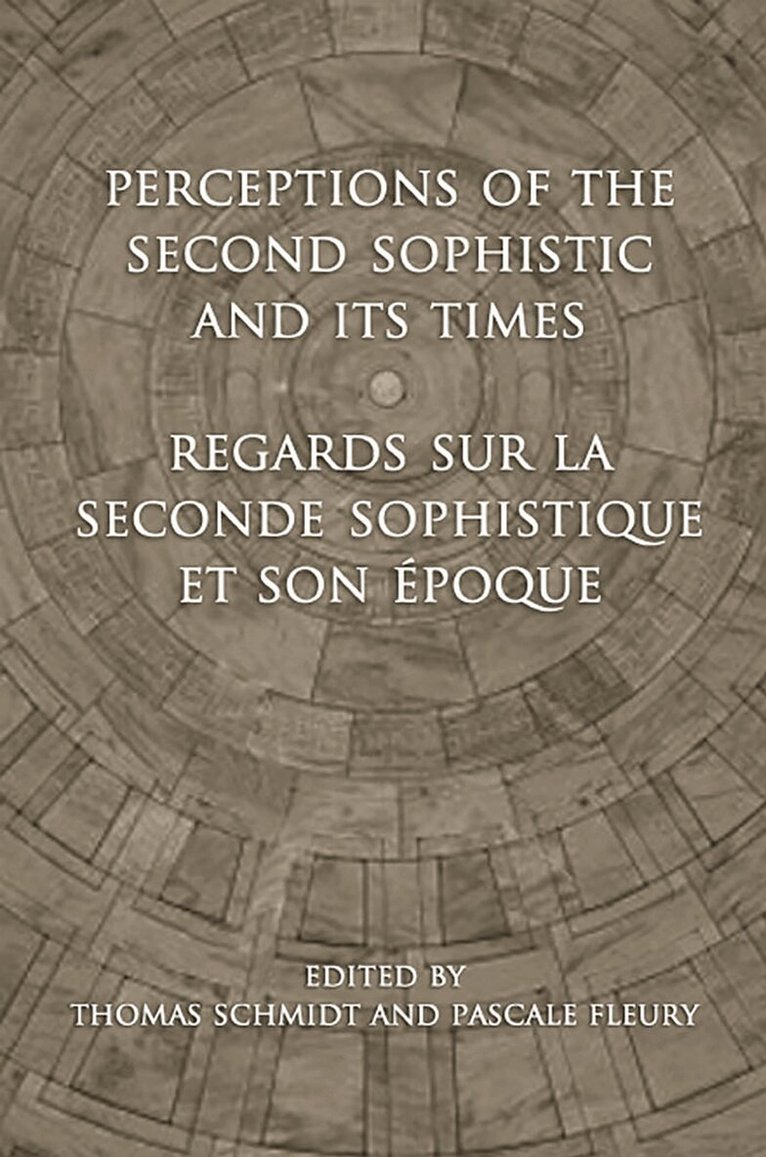
Perceptions of the Second Sophistic and Its Times - Regards Sur La Seconde Sophistique Et Son Époque
Av Thomas Schmidt, Pascale Fleury
Häftad, 2020
442 kr
Lägg i varukorg
The Second Sophistic (50 to 250 BCE) was an intellectual movement throughout the ancient Greek and Roman world. Although it can be characterized as a literary and cultural phenomenon of which rhetoric is an essential component, other themes and values such as peideia, mimesis, the glorification of …