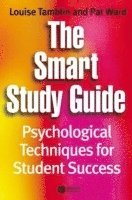
Drawing on the latest research into memory, information processing and learning, this book helps students to tailor their study techniques to their own particular learning style and psychological make-up. An exploration of the tools and techniques essential to success in studying and passing examinations.Suitable for classroom, distance learning, online, or blended learning environments.Includes questionnaires, activities, key learning points, illustrations, diagrams, flow charts, and mindmaps.
In this captivating classroom supplement, students examine atoms, the building blocks of nature! Topics covered include matter, atomic structure, electrons, Mendeleyev, the periodic table, elements, compounds, solutions, mixtures, and more! Information is presented in fascinating passages and reinforced with a variety of activities. A complete answer key is also included.Mark Twain Media Publishing Company specializes in providing captivating, supplemental books and decorative resources to complement middle- and upper-grade classrooms. Designed by leading educators, the product line covers a range of subjects including mathematics, sciences, language arts, social studies, history, government, fine arts, and character. Mark Twain Media also provides innovative classroom solutions for bulletin boards and interactive whiteboards. Since 1977, Mark Twain Media has remained a reliable source for a wide variety of engaging classroom resources.
Give students in grades 5 and up tons of information to digest with Your Body and How It Works! This fascinating 128-page resource teaches students about body systems through quizzes, vocabulary reviews, and engaging activities. It covers topics such as body organization, the skeletal system, the muscular system, the circulatory system, the digestive system, the respiratory system, the excretory system, the nervous system, and the endocrine system. The book includes complete answer keys and reproducibles.
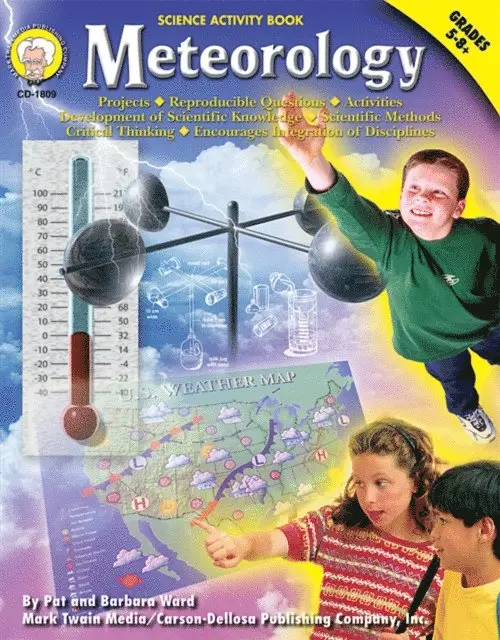
Connect students in grades 5 and up with science using Meteorology. This 62-page book covers topics such as air pressure, measuring temperature, air movement, types of clouds, making a hygrometer, and weather forecasting. Students develop scientific knowledge and methods and critical-thinking skills with meteorologically themed projects, experiments, questions, and activities.