326 kr
Läs direkt efter köp
326 kr
Läs direkt efter köp
326 kr
Läs direkt efter köp
1 172 kr
Skickas inom 5-8 vardagar
354 kr
Skickas inom 5-8 vardagar
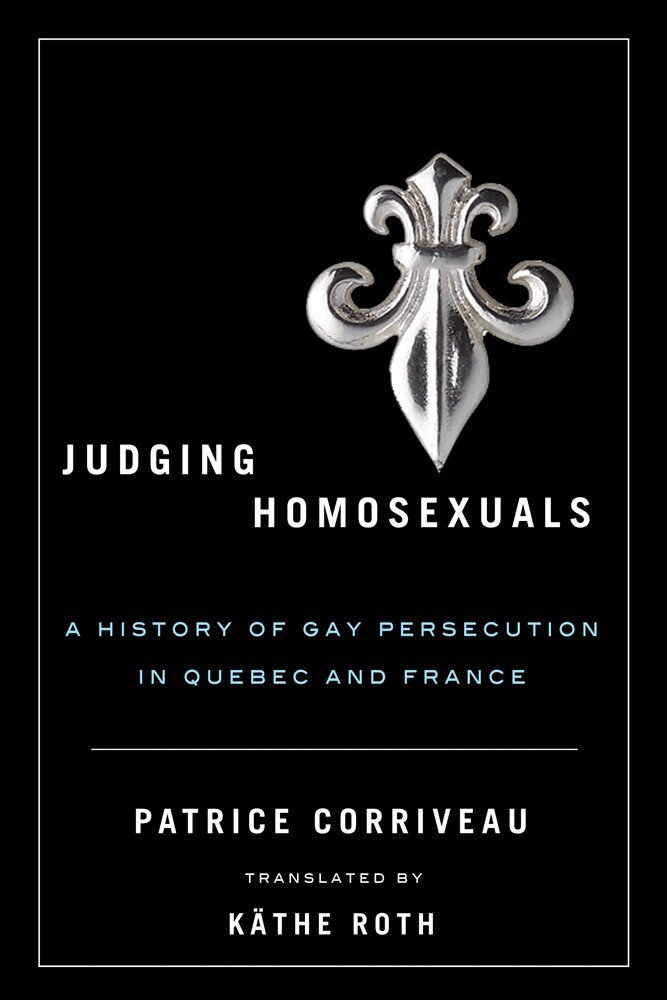
In 2004, the first same-sex couple legally married in Quebec. How did homosexuality – an act that had for centuries been defined as abominable and criminal – come to be sanctioned by law?
Judging Homosexuals finds answers in a comparative analysis of gay persecution in France and Quebec, places that share a common culture but have diverging legal traditions. In both settings, Patrice Corriveau explores how various groups – family and clergy, doctors and jurists – tried to manage people who were defined in turn as sinners, as criminals, as inverts, and as citizens to be protected by law.
By bringing to light the various discourses that have over time supported the control and persecution of individual homoerotic behaviour in France and Quebec, this book makes the case that when it came to managing sexuality, the law helped construct the crime.
284 kr
Skickas inom 5-8 vardagar
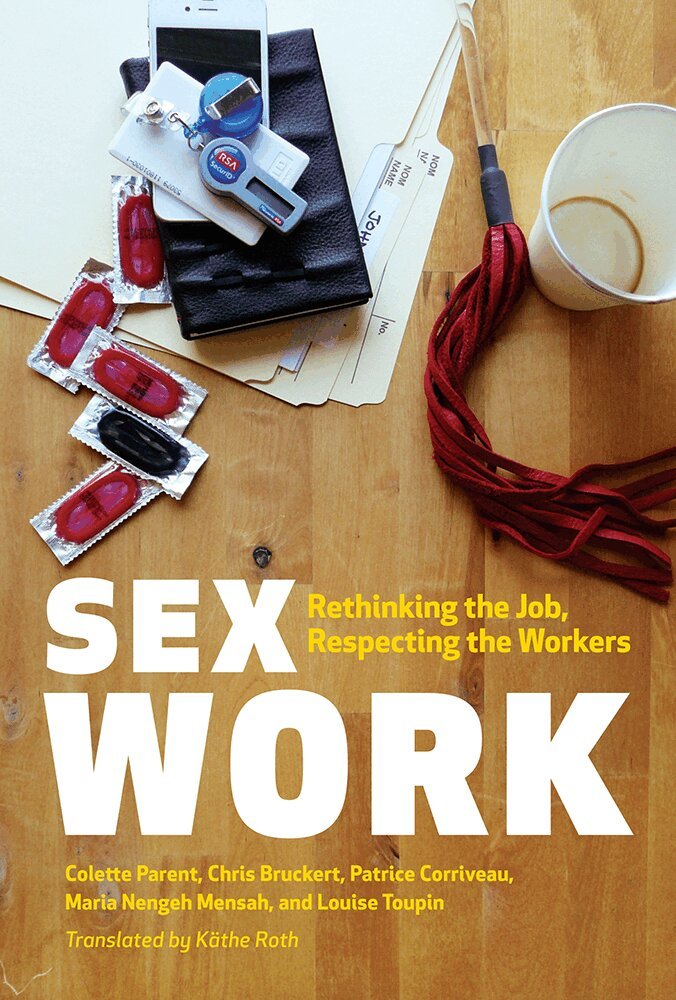
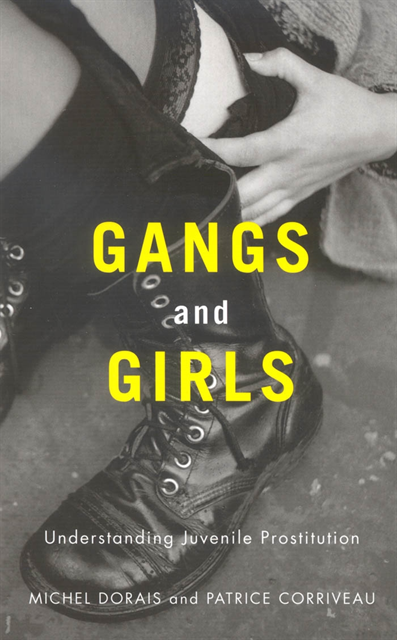
In the early twentieth century, abolitionists sought to stamp out sex work by penalizing all involved. In the generation that followed, neo-abolitionists looked at the sex industry from a feminist perspective, claiming that workers were victims caught in a patriarchal matrix. Yet both agreed that sex work was a destructive and corrupting force that should be eliminated.
In this lucid and fearless volume, five academics and activists convey their vision of prostitution as work, albeit stigmatized and marginalized labour. In chapters that consider the nature of sex work, the legal framework that seeks to control the sex industry, the historical debates over its existence, the spectre of human trafficking, and community-based activism from within the industry, the authors assert the central place of sex workers in discussions about their lives and work. This book opposes discourses that position sex workers as victims without agency.330 kr
Skickas inom 5-8 vardagar
542 kr
Läs direkt efter köp
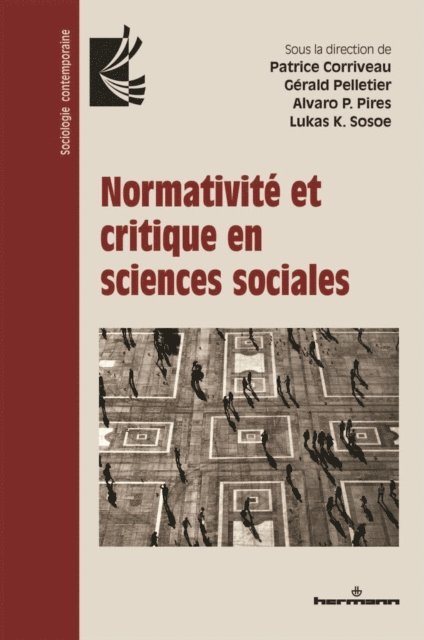
Dans l’interface entre la philosophie et les sciences humaines s’est développée progressivement pendant le XXe siècle une sorte de conviction selon laquelle toute critique digne de ce nom était nécessairement «normative». Cette conviction a-t-elle encore une raison d’être aujourd’hui? D’ailleurs, que signifie être normatif? Que signifie être critique? Y a-t-il une forme privilégiée de critique ou un lieu privilégié pour faire la critique? Les réponses à ces questions qui se renvoient souvent l’une à l’autre peuvent parfois conduire à des «positions dogmatiques» difficilement compatibles avec l’esprit du travail scientifique. Cet ouvrage vise donc à contribuer à l’élucidation de ces deux grands thèmes qui posent des défis conceptuels et épistémologiques tant aux étudiants qu’aux chercheurs chevronnés. Nous espérons que les études présentées dans cet ouvrage pourront aider le lecteur ou la lectrice à repenser ces questions et à s’engager dans un travail conjoint de renouvellement théorique en sciences sociales.
326 kr
Läs direkt efter köp
326 kr
Läs direkt efter köp
1 172 kr
Skickas inom 5-8 vardagar
354 kr
Skickas inom 5-8 vardagar
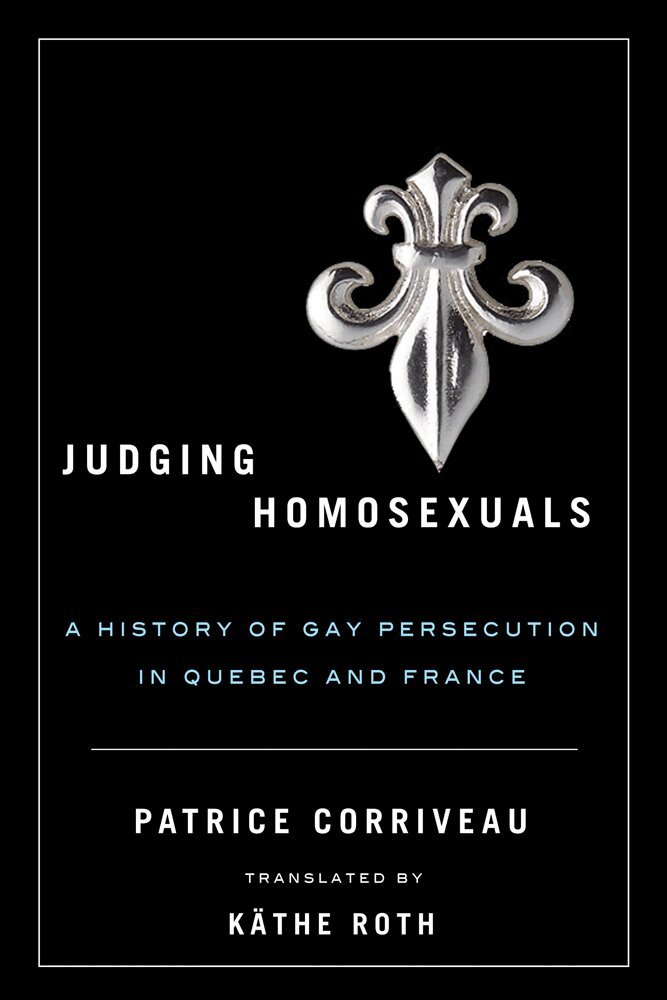
In 2004, the first same-sex couple legally married in Quebec. How did homosexuality – an act that had for centuries been defined as abominable and criminal – come to be sanctioned by law?
Judging Homosexuals finds answers in a comparative analysis of gay persecution in France and Quebec, places that share a common culture but have diverging legal traditions. In both settings, Patrice Corriveau explores how various groups – family and clergy, doctors and jurists – tried to manage people who were defined in turn as sinners, as criminals, as inverts, and as citizens to be protected by law.
By bringing to light the various discourses that have over time supported the control and persecution of individual homoerotic behaviour in France and Quebec, this book makes the case that when it came to managing sexuality, the law helped construct the crime.
284 kr
Skickas inom 5-8 vardagar
In the early twentieth century, abolitionists sought to stamp out sex work by penalizing all involved. In the generation that followed, neo-abolitionists looked at the sex industry from a feminist perspective, claiming that workers were victims caught in a patriarchal matrix. Yet both agreed that sex work was a destructive and corrupting force that should be eliminated.
In this lucid and fearless volume, five academics and activists convey their vision of prostitution as work, albeit stigmatized and marginalized labour. In chapters that consider the nature of sex work, the legal framework that seeks to control the sex industry, the historical debates over its existence, the spectre of human trafficking, and community-based activism from within the industry, the authors assert the central place of sex workers in discussions about their lives and work. This book opposes discourses that position sex workers as victims without agency.330 kr
Skickas inom 5-8 vardagar
542 kr
Läs direkt efter köp
Dans l’interface entre la philosophie et les sciences humaines s’est développée progressivement pendant le XXe siècle une sorte de conviction selon laquelle toute critique digne de ce nom était nécessairement «normative». Cette conviction a-t-elle encore une raison d’être aujourd’hui? D’ailleurs, que signifie être normatif? Que signifie être critique? Y a-t-il une forme privilégiée de critique ou un lieu privilégié pour faire la critique? Les réponses à ces questions qui se renvoient souvent l’une à l’autre peuvent parfois conduire à des «positions dogmatiques» difficilement compatibles avec l’esprit du travail scientifique. Cet ouvrage vise donc à contribuer à l’élucidation de ces deux grands thèmes qui posent des défis conceptuels et épistémologiques tant aux étudiants qu’aux chercheurs chevronnés. Nous espérons que les études présentées dans cet ouvrage pourront aider le lecteur ou la lectrice à repenser ces questions et à s’engager dans un travail conjoint de renouvellement théorique en sciences sociales.